Thinking about buying, selling, or investing in Pigeon Forge? After a big run-up during the pandemic years, the market has shifted and become more nuanced. You want clear, local insight on what is changing and how to move with confidence. In this guide, you’ll learn the key trends to watch, why the market behaves the way it does, and practical steps you can take right now. Let’s dive in.
What’s happening in Pigeon Forge
Pigeon Forge surged from 2018 through 2022 as tourism and short-term rentals fueled demand. Since 2022, many vacation markets have moderated: inventory has increased, price growth has slowed or flattened, and sales have taken longer as mortgage rates rose. These shifts align with broader national patterns in tourism-heavy areas.
Seasonality plays a big role here. Listings generally rise in spring and summer, while winter and shoulder seasons often run lighter. You’ll also see different buyer groups in the mix: local residents, second-home buyers, and investors aiming for short-term rental income.
Price and inventory signals to watch
If you track one set of numbers, make it these: median sale price, months of supply, and median days on market. Together, they reveal price direction, whether the market favors buyers or sellers, and how quickly well-positioned homes are moving. Pull the latest numbers from your agent’s MLS data and supplement with county records for added context.
Small-market data can be noisy. Use 12-month rolling averages to smooth out seasonal spikes and single-month swings, especially for unique cabins where comparable sales vary widely.
Seasonality matters
Tourism drives buyer interest and rental demand, so spring through fall is typically the busiest period. Investors often shop early in the year to capture peak-season income, while some primary buyers prefer off-season when competition ebbs. If you plan ahead, you can time showings, price strategy, and offer terms around these rhythms.
Why Pigeon Forge behaves differently
Pigeon Forge sits in the Smoky Mountain tourism corridor with fast access to Dollywood, The Island, and Great Smoky Mountains National Park. Visitor volume is a major driver of short-term rental performance. When visitor counts rise or fall, occupancy and rates tend to follow.
- To gauge tourism demand, review the National Park Service’s Great Smoky Mountains visitation statistics. You can start with the National Park Service’s page for the park’s visitation data at the Great Smoky Mountains visitation statistics.
- Local lodging and permitting rules also shape investment outcomes. Check current guidance on business licenses and lodging taxes with the City of Pigeon Forge.
Short-term rentals shape the market
Short-term rentals boosted property values from 2020 to 2022, but many vacation markets saw revenue normalization in 2023–2024. At the same time, higher financing and operating costs squeezed returns. If you are underwriting an STR, track occupancy, average daily rate, and RevPAR using 12-month averages. Data providers like AirDNA can help you benchmark seasonality and performance.
Management is a real line item. Many owners hire professional managers and pay fees that typically range from 20 to 35 percent of rental revenue. Factor in utilities, cleaning, linens, supplies, maintenance, and insurance so your projections reflect true net income.
Buyer checklist for Pigeon Forge
Financing and appraisal
If you are buying a second home or an investment property, expect different loan requirements than a primary residence. Lenders often ask for larger down payments and may charge higher rates for non-owner-occupied loans. Appraisals on cabins can be tricky because views, floorplans, and amenities vary widely, which makes pricing comps more complex.
Pro tip: Build appraisal and financing timelines into your offer strategy. Appraisal risk can be a negotiating factor when using financing on unique properties.
Insurance and natural hazards
Insurance premiums can be higher for cabin-style properties and homes in certain risk zones. Review flood maps using the FEMA Map Service Center and ask your agent about wildfire risk, steep slopes, septic systems, and access roads. Insurance availability and cost will materially affect your monthly budget and your STR pro forma.
STR operations and compliance
Before you buy for rental income, confirm the current rules for permits, inspections, and lodging tax remittance with the City of Pigeon Forge. Build your plan around real-world seasonality. Maintain reserve funds for slower winter months and surprise repairs. If a property has a rental history, ask for revenue statements, occupancy calendars, recent utility and maintenance invoices, and any documentation that shows compliance with local requirements.
For tax planning, track deductible expenses such as mortgage interest, depreciation, and management fees. Capital gains rules can differ by use and holding period. Consult a qualified CPA or attorney for tax and legal guidance.
Tips for sellers right now
Time your listing
Because buyers often plan around tourism calendars, listing in late winter or early spring can capture investors who want summer income. Listing during the peak season can also help you showcase active booking calendars and guest reviews. Your timeline should reflect your property’s strengths and your goals.
Prove income potential
If your property has been used as an STR, package your numbers. Provide revenue statements, occupancy data, rate history, cleaning and maintenance records, and proof of compliance with licensing and taxes. Clear, well-organized documentation can shorten due diligence and support your pricing.
Position for your target buyer
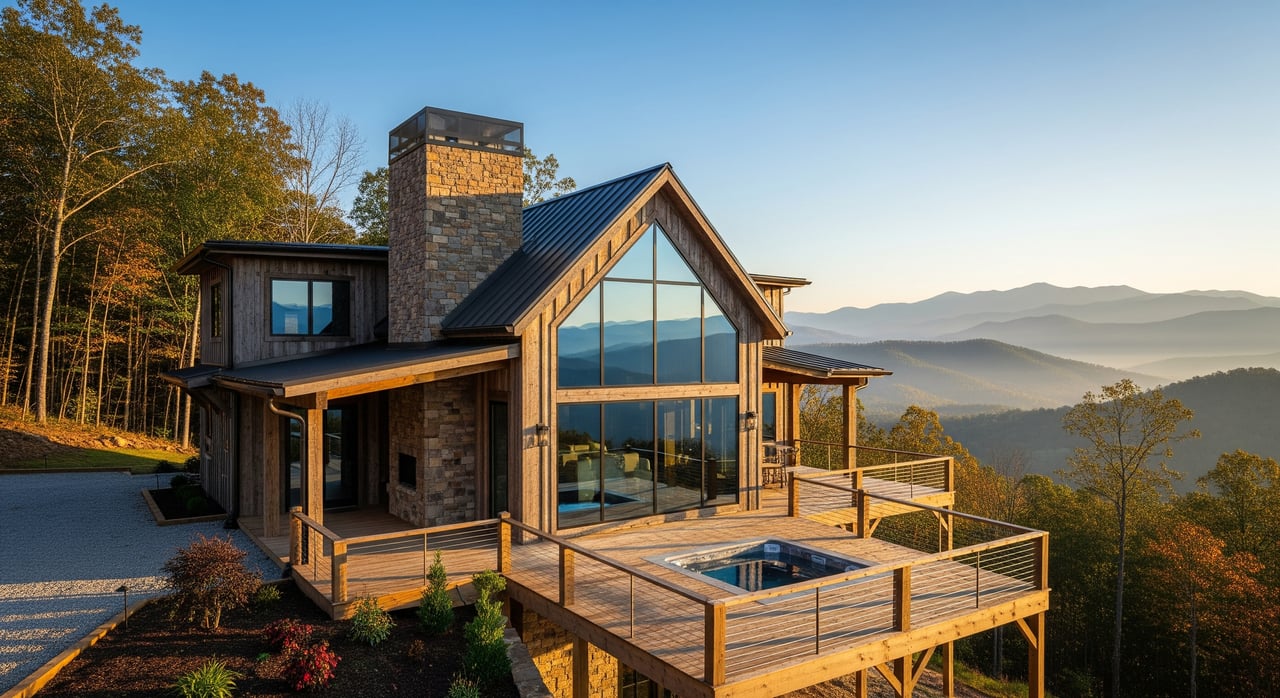
Highlight features that matter to second-home and STR buyers such as views, parking, hot tubs, game rooms, and proximity to attractions. For primary-residence buyers, emphasize everyday functionality and convenience. Make transferability simple by sharing details on property management arrangements and vendor contacts.
Key risks and how to manage them
Policy and permits can change
Municipalities update STR rules and enforcement standards periodically. Before you buy or list, verify current requirements with the city’s finance, permitting, and code offices through the City of Pigeon Forge. If you plan major upgrades, check building permits and zoning early.
Tourism dependence
Tourism underpins a large share of demand. Economic shifts, natural disasters, or public health events can affect visitor counts, which then influence STR occupancy and pricing. Mitigate risk by using multi-year averages when you underwrite revenue and by keeping healthy reserves.
Data quality in small markets
In small and seasonal markets, one-off sales or monthly spikes can distort trends. Use 12-month rolling metrics for pricing, occupancy, and days on market. Compare multiple sources and focus on direction rather than a single data point.
Where to get up-to-date numbers
Use these authoritative sources to keep your plan current:
- Local MLS via your agent for median sale price, days on market, and months of supply.
- Sevier County records for parcel and sales verification through the county’s official site: Sevier County Government.
- Visitor trends from the Great Smoky Mountains visitation statistics.
- STR performance benchmarks from AirDNA using 12-month averages for occupancy, ADR, and RevPAR.
- Licensing, lodging tax, and ordinance updates from the City of Pigeon Forge.
- Employment trends from the Tennessee Department of Labor & Workforce Development and the Bureau of Labor Statistics.
Ready to make your next move in Pigeon Forge with a plan that fits the market and your goals? Our team pairs deep Smokies expertise with hands-on guidance for primary homes, second homes, and STR investments. Connect with United Real Estate Solutions - Market Movers to build your strategy.
FAQs
Is Pigeon Forge a good market for short-term rentals?
- It can be, thanks to strong tourism, but your returns depend on purchase price, financing, occupancy, ADR, operating costs, and current city rules—use conservative, multi-year assumptions.
How seasonal is housing and rental demand in Pigeon Forge?
- Highly seasonal—spring through fall typically see the most visitors and bookings, while winter and shoulder months often slow down.
What should you check before buying a cabin for STR in Pigeon Forge?
- Verify permits and lodging tax rules with the city, confirm insurance costs and hazard maps, review appraisal comps, and analyze 12-month occupancy and ADR data.
Are home prices falling in Pigeon Forge right now?
- Many tourism markets moderated from pandemic highs by mid-2024, but local conditions vary—ask your agent for current MLS metrics on price, inventory, and days on market.
When is the best time to list a vacation rental in Pigeon Forge?
- Late winter or early spring can capture investors targeting summer income, while listing during peak season can help showcase active bookings and reviews.