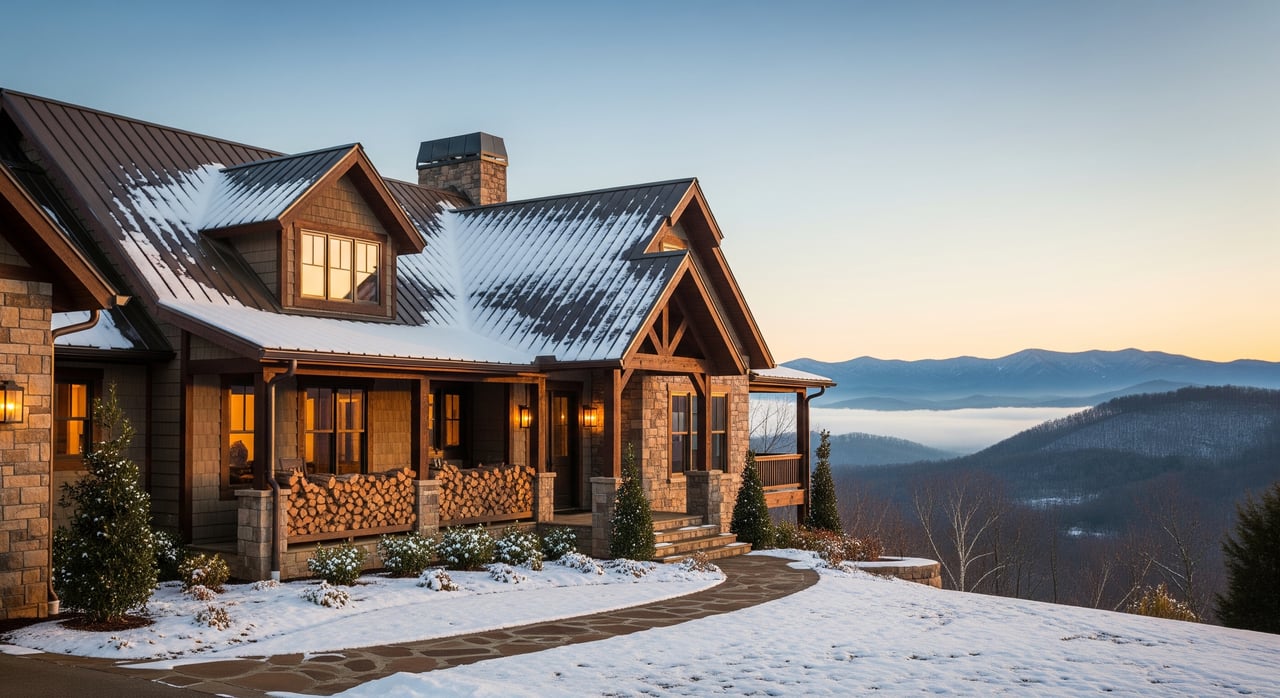
Cold snaps in the Smokies can sneak up fast. One day you are enjoying a crisp, sunny view over Sevierville, and the next you are dealing with frozen pipes or a struggling heat pump. If you own a mountain home or cabin, you want a simple plan that protects your property and keeps winter utility costs in check. This guide gives you practical, local steps to winterize wisely, whether you live here full time or manage a second home remotely. Let’s dive in.
Why winterizing matters in Sevierville
Sevierville sits at lower elevation than the high ridges, but mountain microclimates still bring sharp overnight drops, quick cold snaps, and spotty snow or ice. Even short periods below freezing are enough to burst pipes or stress HVAC systems. Higher elevation cabins around the county can see more frequent icing and heavier, wet snow. Plan for occasional freezes and outages rather than deep, all-winter cold.
The biggest winter risks are frozen plumbing, HVAC failures in vacant or remote homes, roof and gutter damage from ice or heavy snow, and power outages that affect heat and well pumps. Safety also matters. Wood stoves and portable heaters raise fire and carbon monoxide risks if systems are not maintained.
Seal and insulate first
Sealing air leaks and improving insulation cuts heating costs and helps prevent ice problems on the roof. Focus on the building envelope before you throw more heat at the problem.
Attic and roof
Start with the attic. Warm air leaking up makes your furnace or heat pump work overtime and can melt roof snow that refreezes at the eaves. Air seal penetrations like recessed lights, plumbing stacks, and the attic hatch. Then check insulation depth. For our climate zone, aim for higher attic R-values, such as R-38 or more, and fill thin spots. Keep soffit and ridge vents clear so moisture can escape and the roof stays dry.
Walls, floors, and crawlspaces
Find and seal drafts around windows, doors, outlets, and where framing meets the foundation. Insulate rim joists and pay attention to any pipes running near exterior walls. For unheated crawlspaces, insulate well and consider encapsulation or insulating crawlspace walls. Reducing cold airflow under floors keeps rooms warmer and lowers freeze risk for plumbing.
Doors and windows
Weatherstripping and quality door sweeps stop a lot of heat loss for a small cost. Caulk gaps around window trim. If your cabin is seasonal, add thermal curtains and consider storm windows or storm doors for extra protection during the coldest months.
Heat sources you can rely on
Well-tuned heating equipment is the backbone of your winter plan. Service it before the first freeze.
HVAC tune-up
Book a pre-season service to replace filters, test the furnace or heat pump, verify flue or chimney clearance, and confirm that safety controls work. Replace aging carbon monoxide alarms and test smoke detectors. If you use a wood or pellet stove, have the chimney swept and inspected each year.
Heat pumps in East Tennessee
Modern cold-climate heat pumps can perform well in our region. Make sure your unit’s cold-weather performance meets your home’s needs and that the defrost cycle and backup heat are set up correctly. Keep exterior units clear of leaves and snow so airflow is not restricted.
Wood stoves and fireplaces
If you rely on a wood-burning appliance during outages, keep it inspected and clean. Store wood in a dry spot and use a screened or glass door to prevent sparks. Always use a working carbon monoxide alarm and follow manufacturer guidance for safe operation.
Protect plumbing, wells, and septic
Frozen water lines are the most common and costly winter issue. Target the cold spots first.
Why pipes burst
When water freezes, it expands. Ice inside a pipe increases pressure and can split lines at weak points like joints and bends. Freezing often starts in unheated spaces and areas near exterior walls.
Simple steps to prevent frozen pipes
- Insulate exposed pipes in crawlspaces, basements, and along exterior walls with foam sleeves or pipe wrap.
- Seal and insulate rim joists and cold cavities where plumbing runs.
- Use UL-listed, self-regulating heat tape on especially vulnerable sections, installed to code and per the manufacturer’s instructions.
- Keep interior doors open so warm air reaches pipes inside cabinets and closets.
- During extreme cold, let at-risk faucets run at a thin, steady stream to relieve pressure.
Vacant cabins and shut-down checklist
For a home that will sit empty for a stretch, plan ahead. Many owners choose to keep heat on at a minimum setting, while others shut down and drain. Follow your insurer’s guidance and choose one strategy. If you shut down:
- Turn off the main water supply and label the valve location.
- Drain water lines, flush toilets, open faucets and drain points as instructed by your plumber.
- Drain the water heater if part of your plan.
- Use only RV-safe, non-toxic antifreeze in drains and traps if needed. Never use automotive antifreeze in any potable system.
Wells and exterior components
If you have a private well, insulate the wellhead and any exposed piping. Enclose pressure tanks and sensitive equipment in insulated boxes with safe heat if possible. If outages are common on your road, consider a generator solution that can power the well pump.
Septic system tips
Keep septic access risers closed and insulated if practical, and mark their locations so they are not lost under snow. Avoid driving heavy vehicles over the field during freeze and thaw cycles, which can damage lines and soil structure.
Smart thermostats and remote monitoring
Remote control and alerts are game-changers for second homes and short-term rentals.
Thermostat strategy and savings
Smart or programmable thermostats let you set schedules, adjust temperatures from your phone, and receive warnings when interior temps drop. Savings vary by home and behavior, but better control usually means lower bills. If the home is vacant, many contractors and insurers recommend keeping the interior at least 55 degrees to reduce freeze risk. Check your policy for any specific requirements.
Monitoring essentials
Add simple sensors to catch small problems early. Temperature alarms notify you when rooms dip below a set point. Water leak detectors under sinks, near water heaters, and by washing machines can save you from major damage. Smart water shutoff valves can automatically close the main line if a leak is detected.
Caretaker plan you can trust
Build a checklist and share it with your caretaker or property manager so everyone knows the plan.
- Pre-winter (2 to 4 weeks before first freeze)
- Service furnace or heat pump and replace filters.
- Inspect and clean chimney or wood stove. Test smoke and CO detectors.
- Check attic insulation and air sealing. Add insulation if needed.
- Insulate exposed pipes and install heat tape on critical runs.
- Label the main water shutoff, breaker panel, septic lids, and well components.
- Drain hoses, winterize irrigation, cover spigots, and close foundation vents if appropriate.
- Stock emergency supplies like bottled water, non-perishable food, ice melt, a roof rake, and a basic tool kit.
- Photograph interior conditions and utility settings for documentation.
- Confirm insurance coverage for freeze claims and any vacancy rules.
- During a cold snap
- Verify interior temperature stays above the minimum target, ideally 55 degrees or higher.
- Let at-risk faucets drip and open cabinet doors under sinks.
- Have a caretaker check visible plumbing and HVAC once a day when temps are below freezing.
- After a freeze or leak
- Turn off water at the main if you spot a leak. Cut power to affected areas if it is safe.
- Photograph damage and contact your plumber and insurance carrier.
- Use dehumidifiers to reduce moisture and limit mold growth.
Roofs, gutters, and outages
Winter weather affects more than pipes. Help water move off and prepare for power interruptions.
Keep water moving off your roof
Clean gutters and downspouts before winter so meltwater flows off the roof. Heavy, wet snow is less common at lower elevations, but it can happen, especially in higher neighborhoods. From the ground, use a roof rake to remove heavy buildup. Ice damming often starts when warm attic air melts snow that refreezes at the eaves, so focus on air sealing and insulation to reduce this risk.
Prepare for power outages safely
Mountain roads and trees can lead to more outages. If a generator is part of your plan, have it sized and installed by a professional, test it before storms, and follow safety codes. Never run portable generators indoors or in garages. Keep fuel safely stored. If you rely on a sump pump or well pump, consider battery backups or a generator connection that keeps those circuits running.
What to do first: a priority plan
If you are getting started now, focus on the highest return items for protection and savings.
- Immediate, low-cost steps
- Weatherstrip doors and windows and add door sweeps.
- Insulate exposed pipes and seal air leaks at attic penetrations and rim joists.
- Install and test smoke and CO detectors and replace batteries.
- Add a temperature sensor and at least one water leak detector in vulnerable zones.
- Moderate investments
- Bring attic insulation up to recommended R-values for our climate.
- Upgrade to a smart thermostat with remote monitoring and alerts.
- Service or replace older furnaces or heat pumps. Consider a cold-climate heat pump if appropriate.
- Install self-regulating heat tape on critical piping runs where insulation alone is not enough.
- Larger projects
- Encapsulate the crawlspace or insulate basement walls to reduce heat loss and moisture.
- Install a whole-home automatic water shutoff tied to leak sensors.
- Add a professionally installed standby generator, especially if you have a well or frequent outages.
Insurance and documentation
Many policies cover freeze-related damage, but they may have rules for vacant homes or for losses that occur when the heat is off. Read your policy and talk to your agent about minimum temperature settings and vacancy clauses. Keep receipts for service, take photos of your winterization steps, and document baseline thermostat settings. Good records help with claims and speed up repairs if something goes wrong.
Local resources to save now
Keep these contacts handy for weather updates, energy help, and homeowner guidance in Sevier County:
- Sevier County Emergency Management for local storm advisories and safety updates.
- University of Tennessee Extension, Sevier County, for home maintenance and preparation tips.
- Tennessee Valley Authority and your local utility for energy-saving programs and outage information.
- Licensed local HVAC, plumbing, and chimney-sweep companies with mountain home experience. Verify licenses and insurance before hiring.
- Your insurance agent to confirm coverage and winter occupancy requirements.
Preparing your Sevierville mountain home is not about overbuilding for extreme cold. It is about simple steps that handle our quick freeze events and mountain microclimates. Start with air sealing and insulation, protect your plumbing, and add smart monitoring so you can respond fast. If you are planning a purchase or sale this season, we can help you evaluate winter-ready features that protect value and reduce risk.
Ready to discuss a winter-ready plan for your home or a new property in the Smokies? Connect with the local team at United Real Estate Solutions - Market Movers for guidance tailored to Sevierville and the surrounding mountain communities.
FAQs
What thermostat setting should I use in a vacant Sevierville home in winter?
- Keep the interior at or above 55 degrees and check your insurance policy for any specific minimums.
How do I keep pipes from freezing in a cabin with a crawlspace?
- Insulate exposed lines and rim joists, seal air leaks, use self-regulating heat tape on vulnerable runs, and let faucets drip during extreme cold.
Do heat pumps work well in East Tennessee winters?
- Modern cold-climate heat pumps can be efficient here, but make sure your system is serviced, sized for your home, and has proper backup heat.
What should I do before a forecasted cold snap in the Smokies?
- Verify indoor temperature, open sink cabinets, drip at-risk faucets, and have a caretaker check plumbing and HVAC daily until temperatures rise.
How do I winterize a private well in Sevier County?
- Insulate the wellhead and any exposed piping, protect equipment in insulated enclosures, and plan backup power for the pump if outages are likely.
Is snow load a concern for Sevierville roofs?
- Heavy wet snow is less common at lower elevations but possible higher up, so keep gutters clear and use a roof rake from the ground to remove heavy buildup.
Should I shut off water when leaving a cabin for several weeks?
- For extended vacancy, shut off and drain the system, use RV-safe antifreeze in traps if advised, and document steps for your records and insurer.