If you want a second home where mornings start with river mist and trailheads are minutes away, Townsend might be your perfect base. Known as the quiet side of the Smokies, this small Blount County town gives you National Park access without the bustle you find in busier gateways. You get the calm, the scenery, and the convenience. In this guide, you’ll learn what second-home living in Townsend looks like, how to get here, what typical properties cost, how rentals work, and what to check before you buy. Let’s dive in.
Why Townsend feels different
Townsend sits on the western edge of Great Smoky Mountains National Park. Owners here use the Townsend entrance and Little River Road for shorter, less-crowded park days, with easy access to the Townsend Wye and low-key trailheads. You can explore the park’s highlights without fighting long lines or dense traffic. For park planning and current conditions, start with the National Park Service’s hub for Great Smoky Mountains National Park.
The valley setting, called Tuckaleechee Cove, gives you scenic lowlands, river bends, and views toward the Foothills Parkway. It feels rural, relaxed, and close to nature. Townsend remains small by design, with a 2020 town population around 550, even as the larger area supports tourism services and outdoor access. You can read more about the town’s setting and history on the Townsend overview.
Getting here and getting around
Townsend is a practical second-home location if you split time between the mountains and the city. You are within an easy drive of Knoxville and McGhee Tyson Airport. Typical drive times to downtown Knoxville or the airport run about 30 to 50 minutes, depending on your exact route and traffic. For a quick sense of distance, see the TYS-to-Townsend drive estimate, then confirm with a live directions app before you go.
Inside the park, plan for occasional road maintenance or weather closures, especially on Little River Road and scenic corridors. The NPS posts closures and alerts, so check their road maintenance and alerts page before you head out.
What you will do here
You come to Townsend to be outdoors, slow down, and enjoy the river-and-trail rhythm.
- Hiking and scenic drives. Chestnut Top and other Townsend-area trails offer classic Smokies scenery with calmer parking lots and easy access. Review the NPS guidance for the Chestnut Top Trail as a starting point for your list.
- Cades Cove days. Many owners plan morning or late-afternoon loops, pairing wildlife viewing with picnic stops along Little River Road.
- River time. The Little River is a summer favorite for tubing, wading, and family-friendly swimming holes. A local outfitter, Smoky Mountain River Rat, runs seasonal tubing outposts that make it simple to get on the water.
- Culture and learning. The Great Smoky Mountains Institute at Tremont offers environmental education programs and residential workshops a few miles inside the park. In town, small museums and the Heritage Center add a sense of place.
Most second-home owners use Townsend for weekend retreats, longer seasonal stays, and gathering space for family and friends. It is a quieter, outdoors-focused lifestyle that trades neon for trailheads.
Second-home property types
You will see a mix of properties in and around Townsend. Each has different upkeep needs and, if you plan to rent, different guest appeal.
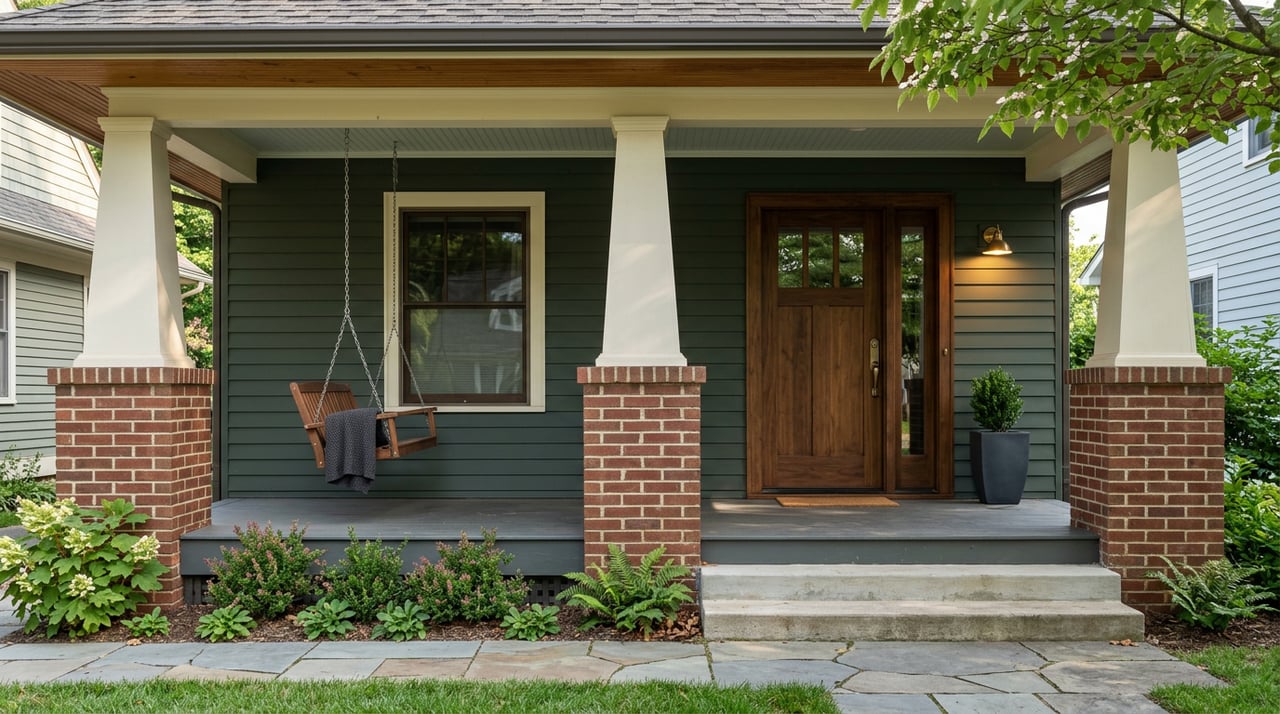
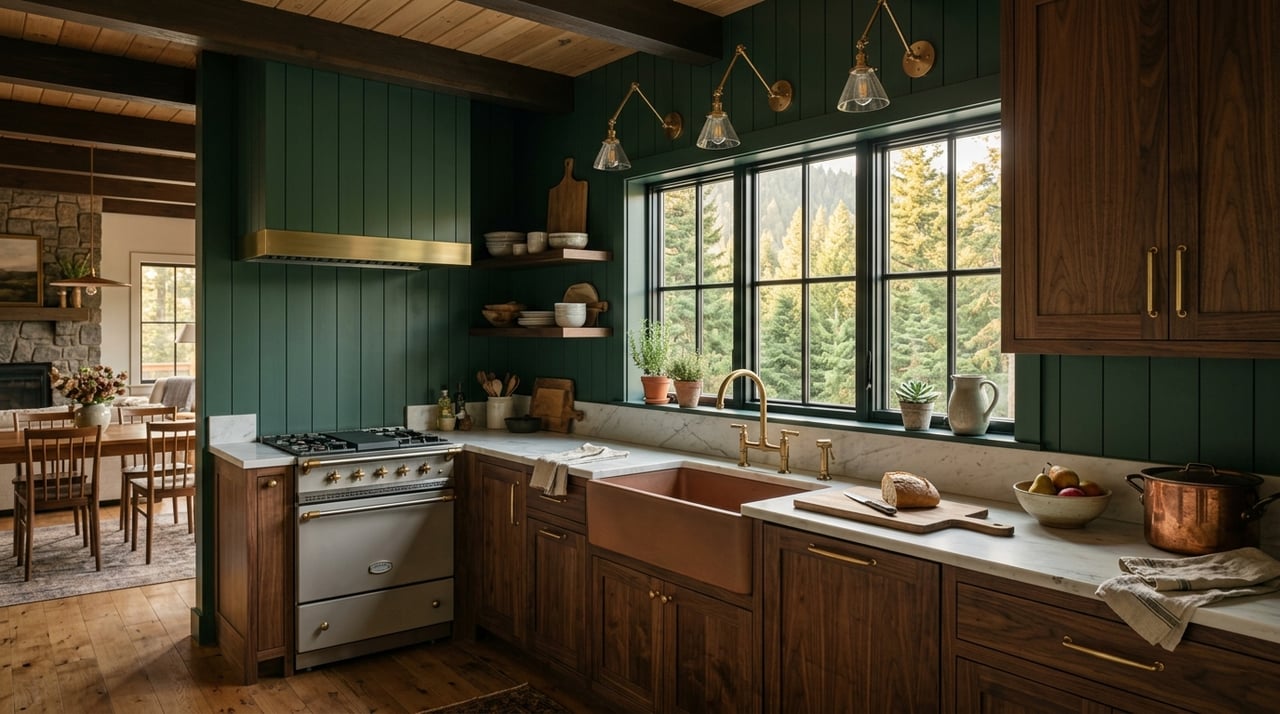
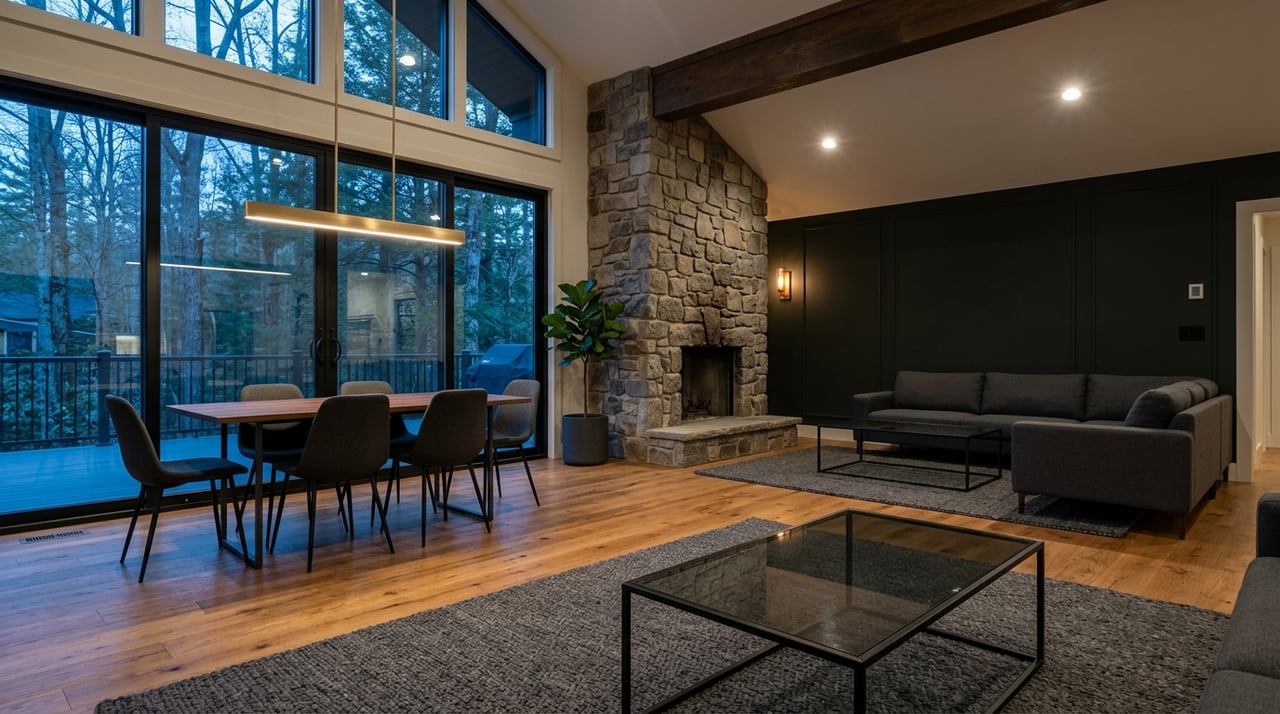
- Cabins and log-cabin style homes. Often 1 to 3 bedrooms, these are the classic Smokies second home, with porches, fireplaces, and wooded views.
- Small year-round houses. Single-family homes on modest lots can be lower maintenance and easier to lock and leave.
- Riverfront or river-adjacent. Little River frontage or easy access is a premium feature. Verify flood maps, insurance, and access paths before you commit.
- Wooded acreage or mountain lots. Build a custom cabin and set your own privacy level. Confirm utilities, road access, and slope.
- Manufactured or modular homes. You will see some in the broader Tuckaleechee Cove area and small subdivisions with newer builds.
What homes cost today
Public listing snapshots for late 2025 showed a median listing figure around the low-to-mid $600,000s for Townsend, with many active listings in the $500,000 to $800,000 range and higher for premium sites. In a small market, different data sources can disagree. For example, algorithm-based home value estimates and MLS-based listing medians often do not match. That is normal for a town this size.
The key takeaway is simple. Expect wide price ranges based on location, river access, acreage, condition, and rental appeal. If you are serious, have your agent pull current local comps from the MLS so you can price decisions with confidence.
Personal use and rentals
Most buyers here start with personal use first: weekend trips, school breaks, and summer weeks. Some owners add short-term rentals during periods they are not using the home. Demand tends to spike during peak park seasons and holidays, with quieter shoulder seasons.
If rentals are part of your plan, be sure the location, parking, and property layout work for hosting. A home close to river access or day-use sites can attract guests, but good maintenance and clear house rules matter just as much.
Rules, permits, and taxes to know
Townsend is in Blount County, so county-level departments handle most permits and compliance items. Before you list a property for short-term rental, confirm requirements with the county and the state.
- Jurisdiction and permits. Start with Blount County’s official site to connect with planning, zoning, and the trustee’s office for any licensing or tax questions.
- Occupancy taxes. Tennessee requires collection and remittance of local occupancy taxes for short-term stays. Marketplaces began remitting certain taxes on January 1, 2021, but you are still responsible for registering and ensuring full compliance. Review the Department of Revenue’s guidance on local occupancy tax rules, then confirm which taxes a platform collects and which you must file directly.
Tip: Reach out to the Tennessee Department of Revenue and Blount County trustee before you underwrite any rental income. Do not rely only on a platform’s settings.
Financing and insurance basics
Financing a second home is different from financing a primary residence. Lenders usually look for stronger credit, documented reserves, and specific occupancy guidelines. Common paths include a conventional second-home mortgage, using equity from a primary residence, or paying cash. Work with a lender who understands vacation and second-home loans in the Smokies.
Insurance needs also vary by property. Riverfront or river-adjacent homes require a careful flood review and may carry higher premiums. Mountain or wooded parcels can have wildfire, storm, or access considerations. Ask for insurance quotes early and make sure coverage fits how you plan to use the home, especially if you will host short-term guests.
Utilities, internet, and upkeep
Townsend has a small-town utility mix. Many homes connect to standard services, but some parcels use wells and septic or sit on private roads. Confirm utility hookups, road maintenance responsibility, and winter access before you buy.
Internet and cellular coverage can vary by elevation and tree cover. If remote work or streaming is important, verify the provider at the address and ask the seller for recent speed tests. Plan for a property manager if you live far away or will host guests. Local managers can handle cleaning, turnovers, and emergency response, and they can help with compliance and tax reminders.
Trade-offs to weigh
Every second-home market has trade-offs. In Townsend you get a calmer, closer-to-nature lifestyle with fewer high-intensity attractions. Dining and entertainment options are more limited than in Gatlinburg or Pigeon Forge, and certain parcels may have spotty connectivity. In peak leaf or holiday seasons, park roads can still get busy, and occasional closures are part of mountain life. For many owners, the quiet and scenery make these trade-offs worth it.
Smart next steps
Here is a simple plan to pressure-test your Townsend second-home idea:
- Visit in two seasons. Experience summer river days and a quieter shoulder or winter visit. If tubing is on your list, check River Rat’s hours and directions.
- Drive park routes and check alerts. Practice the Townsend entrance and Little River Road, and review NPS alerts and maintenance notices.
- Tour property types. Compare a classic cabin, a small in-town home, and a wooded acreage lot. Think through upkeep, parking, and guest flow.
- Pull true comps. Ask your agent for current MLS comparables and recent sales so you can gauge value beyond headline medians.
- Verify utilities and internet. Confirm water, sewer or septic, road maintenance, and internet speeds at any home you like.
- Map rental rules and taxes. Contact Blount County and the Tennessee Department of Revenue’s occupancy tax office before assuming any rental income.
- Plan your financing and insurance. Line up a second-home lender and request quotes from an insurance agent who knows East Tennessee mountain and river properties.
Move smarter with a local guide
If Townsend’s quiet-side rhythm fits your life, the right local partner will help you find a property that works for today and the long run. From riverfront cabins to low-maintenance in-town homes, we can show you what is on the market now, pull accurate comps, outline rental and tax steps, and connect you with lenders, insurers, and property managers who understand the Smokies.
Have questions about a specific address or want a curated tour list for your next visit? Reach out to United Real Estate Solutions - Market Movers to start your plan.
FAQs
What makes Townsend the “quiet side” of the Smokies?
- Townsend offers direct access to Great Smoky Mountains National Park through the Townsend entrance and Little River Road, with calmer trailheads and day-use areas than busier gateways. Start planning with the NPS page for Great Smoky Mountains National Park.
How far is Townsend from Knoxville and the airport?
- Typical drive times to Knoxville or McGhee Tyson Airport are about 30 to 50 minutes depending on route and traffic. See a quick TYS-to-Townsend distance estimate and confirm with a live navigation app.
What second-home property types are common in Townsend?
- You will find cabins, small single-family homes, riverfront or river-adjacent properties, wooded acreage for custom builds, and some manufactured or modular homes in the broader area.
How much do Townsend homes cost right now?
- Public listing snapshots in late 2025 showed a median listing figure in the low-to-mid $600,000s, with many active listings between $500,000 and $800,000 and higher for premium sites. Prices vary widely by location, acreage, and condition.
Can I use a Townsend second home as a short-term rental?
- Some owners do. Check Blount County permits and Tennessee’s local occupancy tax rules first, and verify which taxes any platform collects. A local property manager can help with compliance and operations.
Are there seasonal road closures I should plan around?
- Yes. Park roads can close for maintenance or weather. Always review NPS road maintenance and alerts before visiting.
What about internet and cell service in Townsend?
- Coverage varies by parcel and elevation. If remote work or streaming matters to you, confirm provider availability and speed at the address and ask sellers for recent tests.
What local activities can I enjoy near my second home?
- Popular options include hiking the Chestnut Top Trail, tubing with Smoky Mountain River Rat, scenic drives to Cades Cove, and programs at the Great Smoky Mountains Institute at Tremont.