Trying to decide between living in Seymour or South Knoxville while you commute into Knoxville? You’re not alone. You want a home that fits your lifestyle, but you also need a drive you can live with day after day. In this guide, you’ll get a clear, side‑by‑side look at commute times, main routes, housing and lot patterns, and everyday convenience to help you choose with confidence. Let’s dive in.
Quick answer: which fits your commute?
- Choose Seymour if you want more space, semi‑rural living, and easy access toward the Smokies and are comfortable budgeting extra drive time.
- Choose South Knoxville if you want a short daily drive, more transit options, and quick access to downtown and the Urban Wilderness.
Commute times and routes
Typical drive times
- Seymour to Downtown Knoxville: about 20–30 minutes in lighter traffic and 30–45 minutes or more at peak, depending on your exact start point and route. Seymour addresses sit roughly 12–18 miles from central downtown.
- South Knoxville to Downtown Knoxville: many neighborhoods are about 2–4 miles from downtown, so you often see 5–15 minutes under typical traffic.
Plan on the higher end during the evening peak and on event days. The Knoxville metro shows measurable rush‑hour slowdowns, so build in a buffer if your hours land in the 4–6 PM window. You can check the broader congestion context using the TomTom Knoxville Traffic Index.
Key routes and chokepoints
For both areas, the backbone into downtown is Chapman Highway along U.S. Route 441, which becomes Henley Street as it crosses the river on the Henley Bridge. This is the most direct north-south arterial into central Knoxville. If you want a quick primer on how 441 threads through the region, review the U.S. Route 441 in Tennessee overview.
Inside South Knoxville, Maryville Pike, Martin Mill Pike, and Governor John Sevier Highway give you alternatives, and multiple bridges connect into downtown. That redundancy helps when traffic stacks up on a single corridor. For a feel of the area’s river crossings and roadway fabric, the South Knoxville driving tour lays out the key links.
On bad days, Chapman and Henley can run slow, especially near lane shifts or maintenance zones. If you are eyeing any home close to Chapman, visit during the evening rush to gauge noise and turning movements before you commit.
Transit, rideshare, and park‑and‑ride
- South Knoxville: Knoxville Area Transit serves several South Knoxville corridors, which can make a bus‑assisted or car‑light commute possible depending on your office location and schedule. You can preview options via the KAT routes in Transit App.
- Seymour: There is no regular fixed‑route KAT commuter bus from Seymour to downtown. Regional providers like ETHRA offer demand‑response and human‑services trips across multiple counties, which is helpful in some cases but not a stand‑in for a scheduled commuter bus for most 9‑to‑5 schedules. Learn more about regional services at ETHRA.
- Park‑and‑ride: The city and KAT sometimes run event shuttles and special park‑and‑ride options, but there is no widely advertised weekday express park‑and‑ride tailored to Seymour‑to‑downtown commuters. See an example of past event shuttles on the city site here.
Bottom line: if transit flexibility is a must, South Knoxville gives you more options. If you are set on Seymour, plan on a personal vehicle for the daily commute.
Housing styles and lot sizes
Seymour: space and semi‑rural variety
Seymour’s housing mix includes newer suburban subdivisions, classic ranches and two‑story plans, manufactured homes, and acreage parcels. Many single‑family homes sit on 0.3 to 2 or more acres, with plenty of opportunities for outbuildings, workshops, or small‑scale hobby uses. If privacy, room to spread out, or space for equipment and trailers is important, Seymour often checks those boxes.
South Knoxville: closer‑in charm and infill
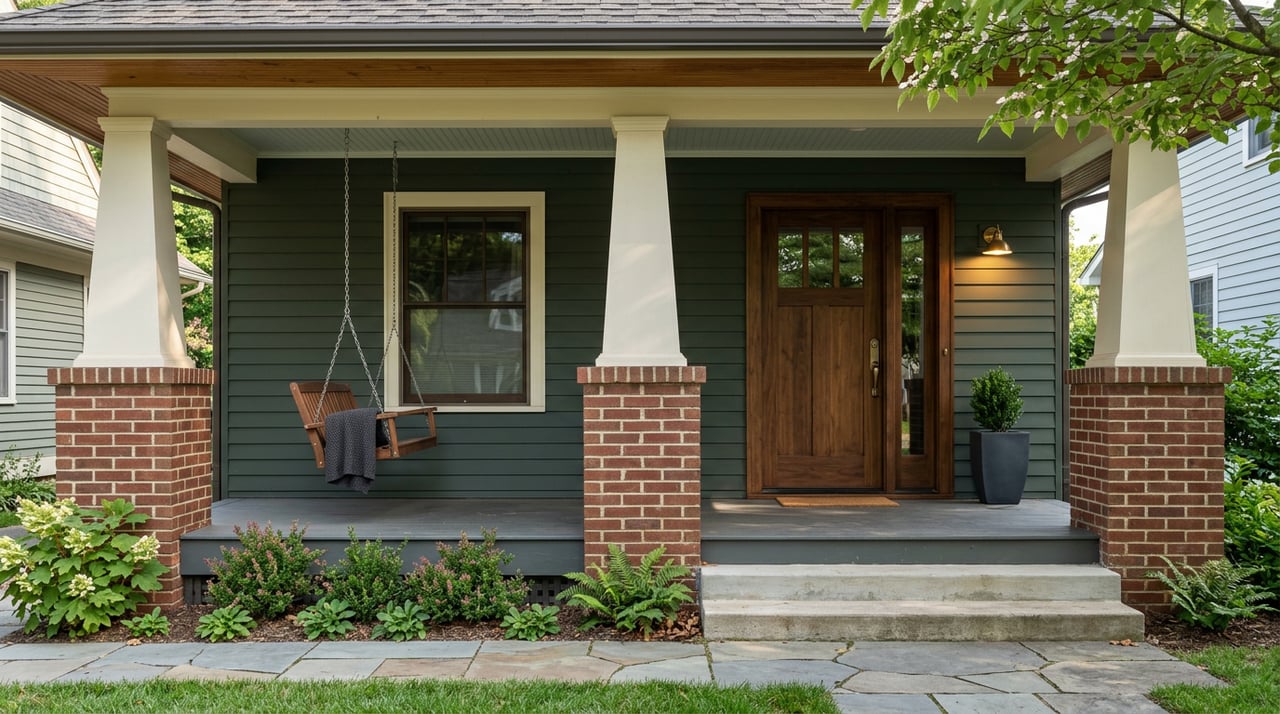
South Knoxville’s established neighborhoods feature bungalows, mid‑century ranches, and craftsman‑style homes on smaller in‑town lots, alongside a growing amount of infill and some riverfront condos. Typical lots often run about 0.15 to 0.35 acre in many blocks, with variations by micro‑neighborhood and street. Expect a more compact, neighborhood feel and shorter trips to downtown.
Price snapshot and how to compare it fairly
Price signals look different based on the metric you use, so it helps to compare apples to apples.
- Seymour: Zillow’s local home‑value index (ZHVI) placed the Seymour area average at $361,911 as of January 31, 2026.
- South Knoxville: A January 2026 neighborhood snapshot from Redfin reported a median sale price around $277,000 for South Knoxville.
Important note: ZHVI is an index of estimated values for the housing stock, while a portal’s median sale price reflects closed MLS transactions over a recent period. Median listing prices are a different measure again. When you evaluate homes, match the metric and the date on both sides. If you need current, property‑level comps, ask for an MLS‑based analysis that aligns with your target streets and lot sizes.
Lifestyle and everyday convenience
What you get in Seymour
Daily needs are straightforward, with grocery and retail along Chapman Highway, including a Kroger option in town. If you want details like hours or a quick address, start with the Kroger in Seymour. Larger shopping runs are a short drive into Sevierville or Maryville depending on where you live in the Seymour area.
Weekends can tilt outdoors. Seymour puts you closer to foothill routes that lead into the Great Smoky Mountains and the Sevierville–Pigeon Forge corridor. If your free time points toward hiking, scenic drives, or mountain attractions, being on this side of Knoxville is a plus. For a sense of the region’s outdoor profile, check the Smokies’ regular placement in roundups like Top Adventure Towns.
What you get in South Knoxville
If you want trailheads and downtown in the same afternoon, South Knoxville delivers. The Urban Wilderness network puts hiking, biking, paddling, and greenway access close by, and the Sevier Avenue corridor brings a growing lineup of restaurants and breweries. Trips to downtown offices, the UT area, medical centers, and Knoxville venues are typically faster, and you have more choices for car‑light trips thanks to KAT routes.
How to test your commute and shortlist homes
Use this quick, practical checklist while you house‑hunt:
Drive your route at your actual times. Do a weekday morning and evening test in both directions. Expect longer windows during the 4–6 PM peak and on major event days. To gauge delays, reference the Knoxville traffic index.
Map alternatives from each address. Some Seymour homes default to Chapman Highway, while others may give you workable side‑route options. Test fastest and second‑best routes with a map tool like the Seymour area map.
Verify county and services for Seymour addresses. The Seymour area spans Sevier and Blount counties. County lines affect property taxes, permitting, and utilities. Confirm county data in the listing details and cross‑check the mapped location for clarity. You can use the Seymour map page as a simple reference point.
Compare like with like on price. Match the metric and timing: ZHVI vs median sale vs median list. Note the date and source on any figure you use and ask for an updated MLS comp set before you write an offer.
Check for roadway projects. If a listing sits near Chapman or Henley, look for recurring lane closures or planned work that could affect your pattern, and visit during peak to listen and watch turning movements. City releases and local news often announce closures in advance.
The bottom line for commuters
If you want more land, a quieter setting, and weekend routes that point straight toward the Smokies, Seymour is compelling. You will trade for a longer and more variable drive on Chapman and Henley during peak times. If you want the shortest daily drive, a shot at bus service, and quick access to trails and downtown amenities, South Knoxville fits well. In both cases, test your commute at your real hours and compare homes using the same price metric so you can move forward with confidence.
Ready to zero in on the right street and the right commute? Connect with United Real Estate Solutions - Market Movers for a local strategy session tailored to your timeline and budget.
FAQs
How long is the commute from Seymour to downtown Knoxville?
- Expect about 20–30 minutes in lighter traffic and 30–45 minutes or more at peak, most commonly along U.S. 441 via Henley Street, with delays influenced by rush‑hour patterns shown in the TomTom Knoxville index.
Does South Knoxville have public transit to downtown?
- Yes, Knoxville Area Transit serves several South Knoxville corridors, which can support a bus‑assisted commute depending on your schedule; preview routes in the Transit App for KAT.
Are lots typically bigger in Seymour or South Knoxville?
- Seymour commonly offers 0.3 to 2 or more acres in many subdivisions and rural tracts, while South Knoxville lots often range about 0.15 to 0.35 acre, with variations by block and sub‑neighborhood.
What price points should I expect in each area right now?
- As of January 31, 2026, Zillow’s ZHVI puts Seymour around $361,911, while a January 2026 Redfin snapshot shows South Knoxville’s median sale price near $277,000, with definitions and dates differing by source.
Which area is better for outdoor access and recreation?
- Seymour places you closer to foothill routes toward the Smokies and the Sevierville–Pigeon Forge corridor, while South Knoxville gives fast access to the Urban Wilderness trail network and downtown riverfront.
Is there a park‑and‑ride option for Seymour weekday commuters?
- There is no widely advertised fixed commuter express from Seymour, though the city and KAT sometimes run event shuttles and special park‑and‑ride options, as shown in past notices like this city update.