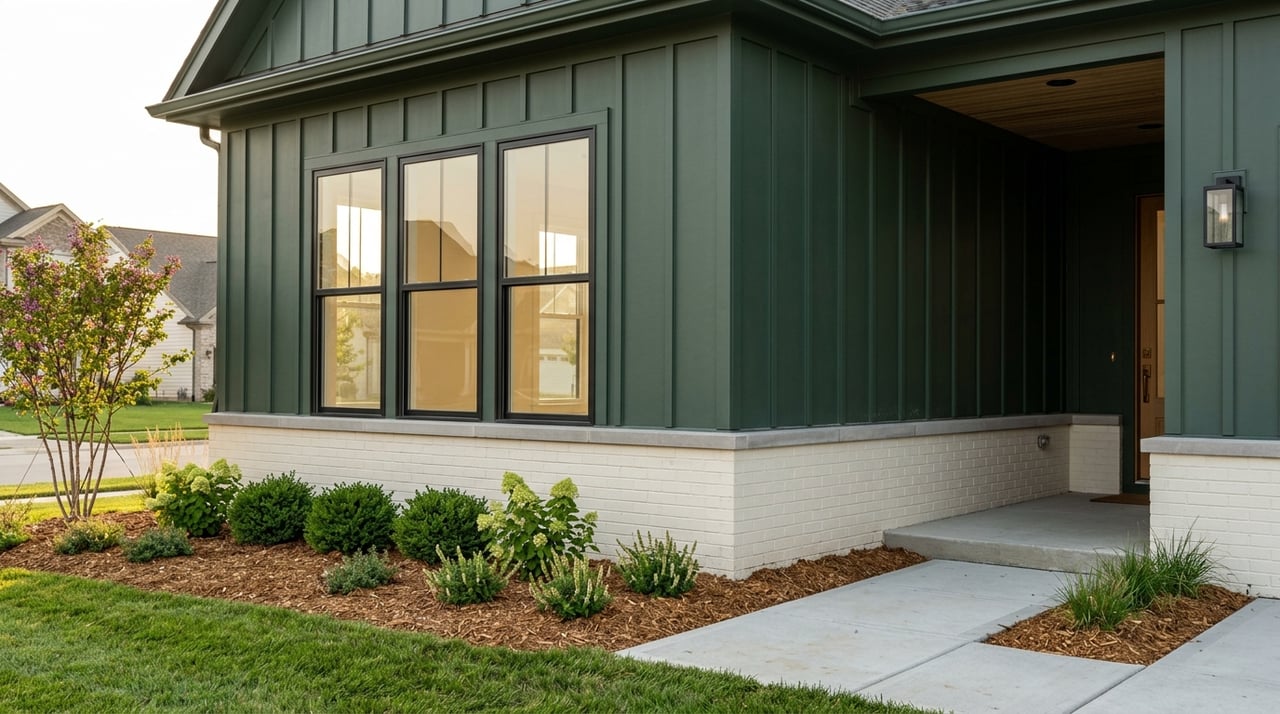
Thinking about buying a brand-new home in Sevierville? You are not alone. With Sevierville growing as a gateway to the Great Smoky Mountains, new construction can be an appealing option if you want modern finishes, lower near-term maintenance, and the chance to choose a home that fits your goals. The process is different from buying a resale home, though, and a few smart checks up front can help you avoid surprises later. Let’s dive in.
Why new construction stands out in Sevierville
Sevierville continues to grow, and the city says its planning efforts are designed to keep that growth aligned with roads, utilities, schools, and emergency services through its Planning and Zoning department. For you as a buyer, that means new construction is part of a broader pattern of development, not just a handful of isolated projects.
There is also more variety than many buyers expect. Current listings on Realtor.com’s new-construction search for Sevierville show new homes ranging from townhomes to luxury cabin-style properties, with communities such as Smoky Hollow, Smith Creek Reserve, and nearby Cherokee Crossing in Kodak. That mix matters because it means your search can include primary homes, second homes, and some properties that may appeal to buyers with investment goals.
At the same time, inventory is not unlimited. Realtor.com currently shows 143 new-construction homes for sale in Sevierville, with a median listing price of $535,000 and an average of 96 days on market. That creates a market where you have real options, but you still need to compare communities carefully and move with a plan.
How buying new construction differs
One of the biggest differences is representation. The Consumer Financial Protection Bureau says buyers should ask who an agent represents and how they are paid. That is especially important in new construction, where the builder’s sales team is there to represent the builder’s interests.
If you want someone focused on your side of the transaction, it helps to bring your own agent early, before you discuss terms, upgrades, or incentives. That gives you clearer guidance on pricing, contract language, deadlines, and the details that can affect your bottom line.
Another key difference is timing. If the home is not finished yet, the builder may require an upfront builder deposit or earnest money. CFPB recommends asking when that deposit can be returned and under what conditions, since those terms can vary from one builder and contract to another.
Financing can work differently too. CFPB also notes that you do not have to use the builder’s preferred lender. You can shop around for mortgage options and compare rates, fees, and loan terms to see what fits your situation best.
What your contract should cover
With a new build, the contract details matter just as much as the home itself. The Tennessee Department of Commerce & Insurance advises consumers to use a written contract and make sure it clearly addresses:
- Start and completion dates
- Payment terms
- Change orders
- Cancellation rights
- Allowances
- Materials and labor
- Warranty information
That is important in any market, but especially in a growing area like Sevierville where timelines can be affected by approvals, materials, weather, and construction schedules.
Local process matters too. The City of Sevierville says building plans and permits move through its development and code enforcement system, and some items that need Planning Commission approval must be submitted 28 days before a meeting, with plan review usually taking 15 to 20 working days. You can explore those public-facing resources through the city’s Development and Code Enforcement page.
Why permits and approvals matter
Before you commit, it helps to understand whether a home is fully approved, under construction, or still moving through part of the development process. In Sevier County, subdivision regulations connect final approval to utility, sewer, and street certifications, and county rules require a building permit before construction begins. You can review that framework in the county’s subdivision regulations.
For you, this means a simple but important question: is the lot or home fully platted and permitted, or is part of the project still pending? That answer can affect timing, utility setup, and your comfort level with the purchase.
If you are comparing homes inside Sevierville city limits with homes in surrounding county areas, it is also wise to confirm jurisdiction. City and county oversight can differ, and that can affect zoning, permit review, and future use.
Compare communities beyond the floor plan
A model home can be impressive, but your decision should go beyond finishes and square footage. Sevierville publishes a public zoning GIS map, permit portal, and planning resources, and the Planning Commission posts agendas and minutes publicly. These tools can help you see nearby rezonings, subdivision proposals, and other development activity before you buy.
As you compare communities, focus on practical questions like:
- Is the property in the city or county?
- What is the current zoning?
- Is the home on public water and sewer, or septic?
- Are there HOA rules or recorded covenants?
- Is the parcel in a flood-related review area?
- Is the development fully approved, or still in process?
This kind of research can be especially helpful if you are buying with long-term plans in mind. It gives you a better sense of what you are buying today and what may be changing around you tomorrow.
Verify finishes and upgrade pricing
New construction marketing often highlights attractive features, but you should always ask for a written spec sheet. Builder pages can show why that matters. For example, D.R. Horton’s Cherokee Crossing currently advertises shaker-style cabinetry, granite countertops, LED lighting, stainless-steel appliances, and smart-home technology.
That sounds great, but the key question is what is actually standard in the specific home you are buying. Some features may be included in one plan, optional in another, or subject to change based on availability. A written list helps you confirm the exact materials, finishes, appliances, and systems that come with your contract.
You should also ask which warranties come from the builder and which come from the manufacturer. That can make a big difference if an appliance, HVAC component, or smart-home feature needs service after closing.
Understand builder warranties
One reason buyers like new construction is the warranty coverage. According to the Federal Trade Commission’s guide to new-home warranties, many builder warranties typically cover workmanship and materials for one year, HVAC, plumbing, and electrical systems for two years, and some major structural defects for up to 10 years.
Still, you should read the warranty terms carefully. The FTC notes that builder warranties are different from separate home warranties or service contracts, which often cost extra and may be more common with existing homes. It also notes that some items may be excluded, such as appliances, small cracks, or moving costs during repairs.
Tennessee adds another layer. The state’s warranty FAQs say there is a one-year implied warranty for workmanship and materials, and that structural defect claims may be limited by a three-year statute of limitations, with four years from notification in some cases. That is a good reminder to keep records, report issues promptly, and understand how claim deadlines work.
Yes, you still need an inspection
A lot of buyers assume a new home does not need an inspection. That is a mistake. The CFPB recommends scheduling an independent home inspection as soon as possible, even for new construction, and putting repair requests in writing.
An independent inspector can help identify incomplete work, installation issues, or items that should be corrected before closing. Even in a brand-new home, small issues are easier to address when they are documented clearly and early.
It is also smart to review the dispute-resolution section of the contract and warranty. The FTC notes that many new-home warranties include mediation or arbitration language, so you should understand that process before you sign.
Check flood risk and insurance early
In Sevierville, the Building Division serves as the city’s floodplain manager through the city’s development and code enforcement system. That makes floodplain review an important part of your due diligence, especially if you are buying in an area shaped by streams, slopes, or changing terrain.
CFPB recommends getting an informal insurance estimate and asking about flood or disaster history before you commit. For you, that means insurance should not be an afterthought. A home’s location, elevation, and flood exposure can affect monthly costs just as much as the mortgage payment itself.
What investors and second-home buyers should confirm
In the Sevierville area, some buyers are looking not only for a home, but also for flexibility in how they use it. If you are considering a property for short-term rental use, be careful not to assume that a new construction home is automatically eligible.
The city and county rules can differ, and the research report notes that Sevier County’s unincorporated areas have a separate short-term rental unit permit program with annual inspections. The county also recommends checking the certificate of occupancy and local rental eligibility before purchase through the city’s building and development information.
That means your checklist should include zoning, HOA rules, recorded restrictions, and local permit requirements, not just rental income projections. A great-looking home is only part of the equation if your intended use depends on local approval.
A smart way to buy new construction
Buying a new construction home in Sevierville can be a great move if you like the idea of modern layouts, updated systems, and a home that reflects current building standards. But the smartest buyers look beyond the sales center and ask clear questions about representation, contracts, permits, warranties, inspections, insurance, and community rules.
When you approach the process with good information, you can make more confident decisions and avoid common surprises. If you want local guidance as you compare Sevierville new construction options, connect with United Real Estate Solutions - Market Movers for thoughtful, hands-on support.
FAQs
What should you ask before buying a new construction home in Sevierville?
- Ask who represents you, what is included in the base price, which upgrades cost extra, how the deposit works, what the expected completion timeline is, and whether permits and approvals are already in place.
Why do you need your own agent for Sevierville new construction?
- The builder’s sales team represents the builder, so having your own agent can help you understand pricing, contract terms, deadlines, and your options from a buyer-focused perspective.
Do new construction homes in Sevierville still need a home inspection?
- Yes. CFPB recommends an independent inspection even on new homes so you can identify issues early and submit repair requests in writing before closing.
How do builder warranties work for new homes in Tennessee?
- New homes often include builder warranty coverage for workmanship, systems, and some structural items, but coverage length and exclusions vary, so you should review the written warranty carefully.
What should investors check before buying a new construction property near Sevierville?
- Confirm zoning, HOA or covenant restrictions, certificate of occupancy status, and any applicable local short-term rental permit requirements before assuming the property can be used as a rental.
How can you research a Sevierville community before buying new construction?
- You can review public zoning maps, permit resources, planning agendas, floodplain information, and subdivision approval details through city and county public resources to better understand the property and surrounding area.