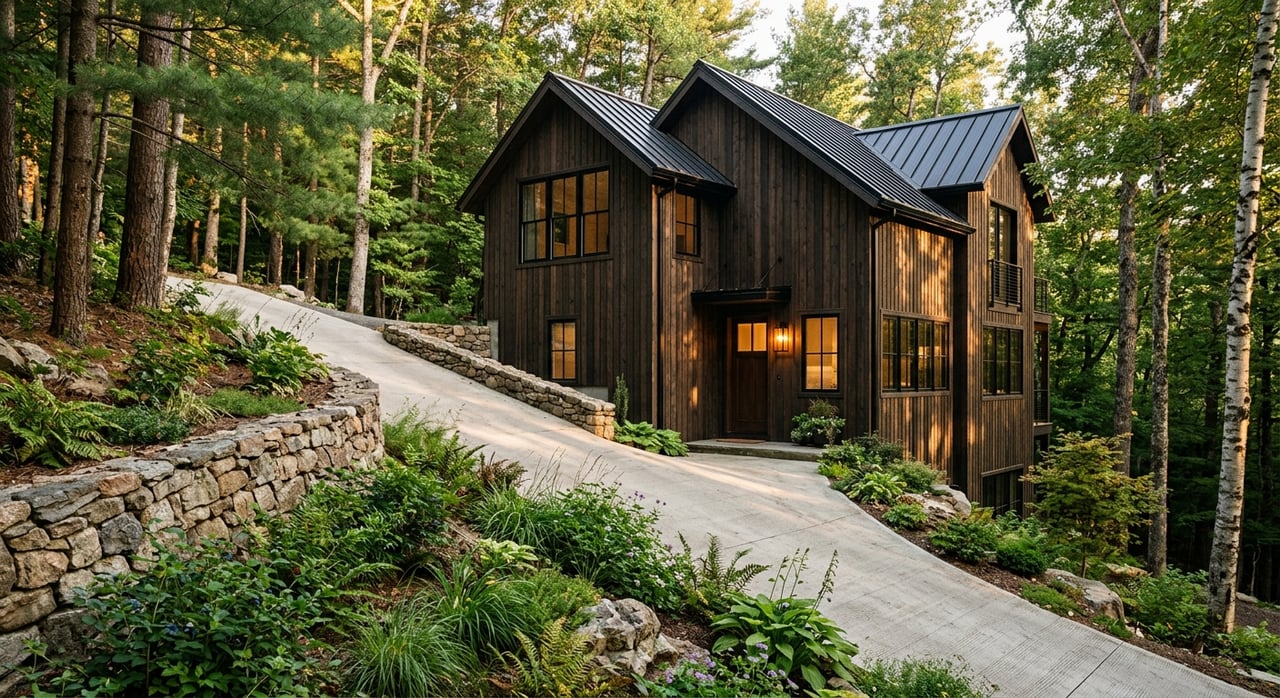
Thinking about buying a Gatlinburg cabin for personal use, short-term rental income, or both? In this market, the biggest risk is not always finding the right view or floor plan. It is buying a property that does not match how you plan to use it. A local agent can help you sort through city rules, county permits, road access, and community restrictions before you commit. Let’s dive in.
Local Rules Can Change Everything
In Gatlinburg, buying a cabin is not just a home search. It is also a zoning, permit, and compliance decision. The same type of property may be governed by different rules depending on whether it sits inside Gatlinburg city limits or in unincorporated Sevier County.
That matters because a listing may look perfect online, but the real question is whether the property is actually usable the way you expect. If you want a cabin for overnight rentals, part-time use, or future resale flexibility, local details can shape your options from day one.
City Limits vs County Matters
A local Gatlinburg agent starts by confirming jurisdiction. That is one of the most important first steps because the permit path changes based on location.
Within Gatlinburg city limits, the city states that a Tourist Residency Permit allows overnight rentals only if the property is properly zoned. The application requires details such as the owner and rental agent contact information, bedroom count, story count, occupancy, and square footage.
Outside the city, unincorporated areas follow Sevier County’s separate short-term rental unit process. According to the county’s STRU permit program guidance, buyers should verify the permit account, certificate of occupancy, original application date, and inspection reports before closing.
A local agent helps you identify which office, rules, and records apply before you make an offer. That can save you from learning after closing that the cabin has a different use path than you assumed.
Rental Use Is Not Always Straightforward
Many buyers assume that if a cabin has been rented before, it can continue to be rented the same way. That is not always true. Local codes and permit standards can affect occupancy, life-safety requirements, and future compliance.
For example, Gatlinburg’s code treats some larger tourist residences differently. Under the city code, a property with more than three stories, more than 5,000 square feet, or more than 12 occupants falls into a different category and is not handled the same way as a smaller one- or two-family dwelling for sprinkler exemption purposes.
In plain terms, bigger cabins can come with different compliance expectations. A local agent who understands Gatlinburg cabin inventory can flag that early, especially if you are comparing a smaller cabin to a larger group-style property.
Current Notices Matter Too
Rules do not stay frozen just because a home is listed for sale. That is another reason local knowledge matters.
In December 2024, Gatlinburg expanded its animal-resistant container zone to include properties along Parkway and River Road and any property holding a Tourist Residency Permit, with compliance required by June 30, 2025. If you are buying with rental use in mind, updates like this can affect operating requirements and future planning.
An agent who stays close to local developments can help you look beyond the listing description. That kind of real-time awareness is hard to replace with a general online search.
Terrain and Access Can Be Deal Breakers
In Gatlinburg, the cabin itself is only part of the story. The mountain setting that makes a property appealing can also create practical issues tied to slope, access, parking, utilities, and site design.
Gatlinburg’s zoning ordinance includes a Critical Slope Floating Zone for natural slopes of 30 percent or greater, along with a Hillside Overlay District intended to protect scenic resources. The city’s zoning ordinance and site-plan standards call for review of things like roadways, driveways, turnaround areas, parking, flood-zone locations, and water and sewer approvals.
For buyers, that means a beautiful mountain lot may still raise important questions. Is the driveway workable? Is there enough turnaround space? Are utility connections straightforward? These are the kinds of details a local agent knows to investigate early.
Private Roads Need Extra Attention
Road access is another area where local experience helps. In some mountain communities, access may involve more than simply turning off a public street.
Sevier County’s subdivision regulations state that lots must be reasonably accessible from a publicly dedicated street or private permanent easement. The regulations also note that private streets serving multiple lots may require legal maintenance agreements and a property owners association to handle road upkeep and assessments.
That can directly affect your ownership costs and your day-to-day use of the property. A local agent can help you ask the right questions about easements, maintenance obligations, and road access before those issues become surprises.
HOA Documents Can Override Your Plan
A cabin may appear to check all the boxes from a zoning or permit standpoint and still not fit your goals. That is because homeowners associations and recorded community documents can impose their own restrictions.
Under Tennessee law, a condominium, co-op, homeowners association, or similar entity may prohibit or restrict short-term rentals through its governing documents. In practical terms, a rental-friendly location does not automatically mean a specific cabin is rental-friendly.
This is where document review becomes essential. A local agent who understands cabin communities, HOA patterns, and mountain developments can help you focus on properties that better align with your intended use.
What a Local Agent Should Verify
The strongest local agents do more than unlock doors and send listings. They help you connect the facts across city departments, county files, plats, and community documents.
Gatlinburg’s Building & Planning Department administers zoning and code enforcement, while Sevier County’s buyer and agent materials emphasize checking permit files, occupancy records, and inspection history. If you are buying a cabin with a specific use in mind, those details deserve attention before you are under pressure.
Here are some of the most important questions a local agent should help you answer:
- Is the cabin inside Gatlinburg city limits or in unincorporated Sevier County?
- What do the permit file, certificate of occupancy, and inspection records show?
- Is the lot affected by hillside or steep-slope review standards?
- Is access by public street, private permanent easement, or private road?
- Do HOA documents or covenants limit short-term rentals or add maintenance obligations?
Those questions may sound technical, but they are really about one simple goal: making sure the property works for you.
Why This Matters for Cabin Buyers
If you are buying in Gatlinburg, you are likely making a lifestyle and financial decision at the same time. You may want personal mountain use now, rental flexibility later, or a second home that can support both goals over time.
That is why local guidance matters so much. A knowledgeable local agent can help you move from “This cabin looks great” to “This cabin fits the rules, access, and ownership structure I need.” That clarity helps you buy with more confidence.
If you want local guidance on buying a Gatlinburg cabin, United Real Estate Solutions - Market Movers can help you evaluate properties with the local context that matters most.
FAQs
Why does a local Gatlinburg agent matter for cabin buyers?
- A local agent can help you confirm whether a cabin is in Gatlinburg or unincorporated Sevier County, explain which permit rules apply, and help you spot issues tied to access, slope, occupancy, and community restrictions.
What should cabin buyers verify about short-term rental permits in Gatlinburg?
- Cabin buyers should verify whether the property needs a City of Gatlinburg Tourist Residency Permit or a Sevier County STRU permit, along with zoning, inspection history, certificate of occupancy, and any active permit records.
Can an HOA restrict short-term rentals in a Gatlinburg cabin community?
- Yes. Tennessee law allows certain associations and similar entities to prohibit or restrict short-term rentals through their governing documents.
Why do road access and easements matter when buying a Gatlinburg cabin?
- Road access can affect emergency access, utility service, maintenance responsibility, and ongoing costs, especially when a cabin is served by a private road or private permanent easement.
Do steep slopes affect Gatlinburg cabin purchases?
- Yes. Gatlinburg’s zoning rules include steep-slope and hillside review standards that can affect driveways, site layout, parking, utilities, and other practical property considerations.