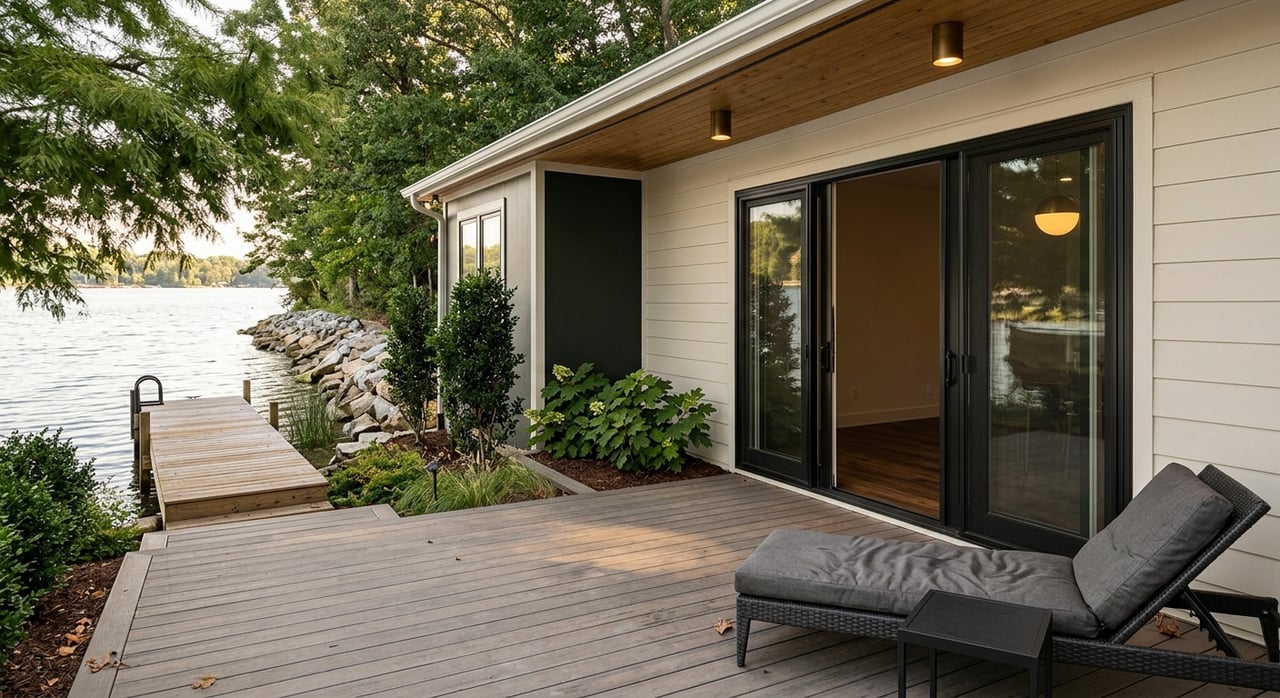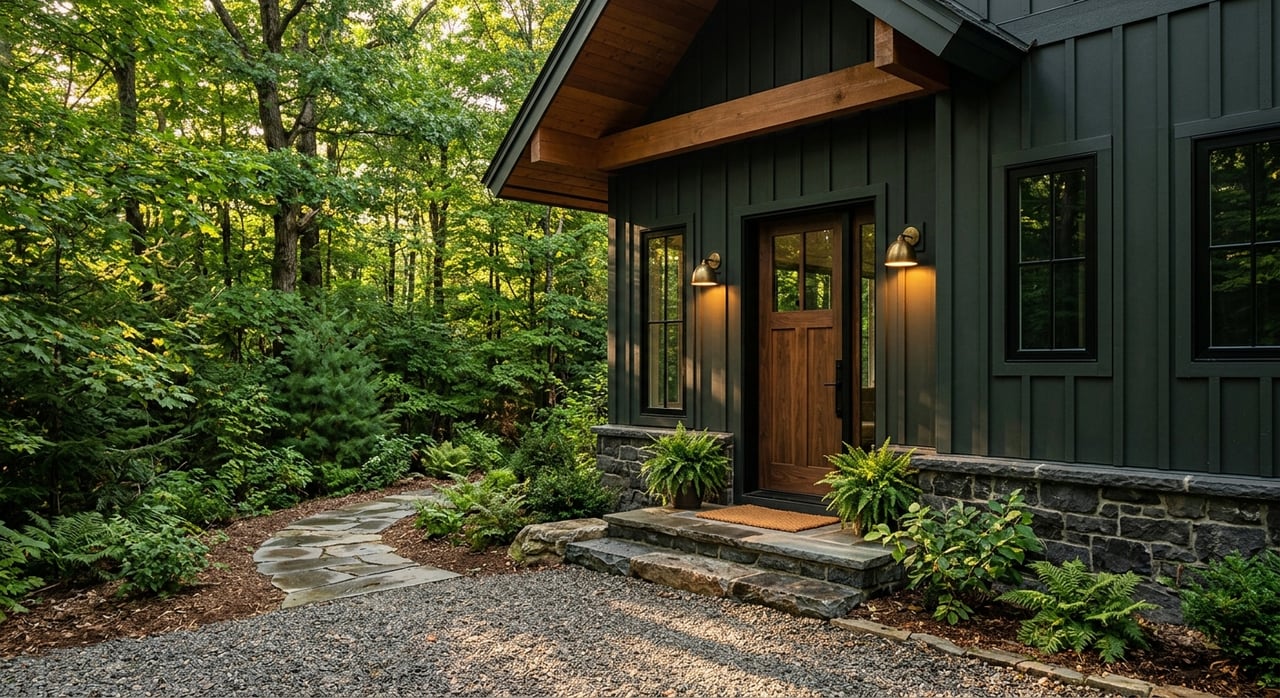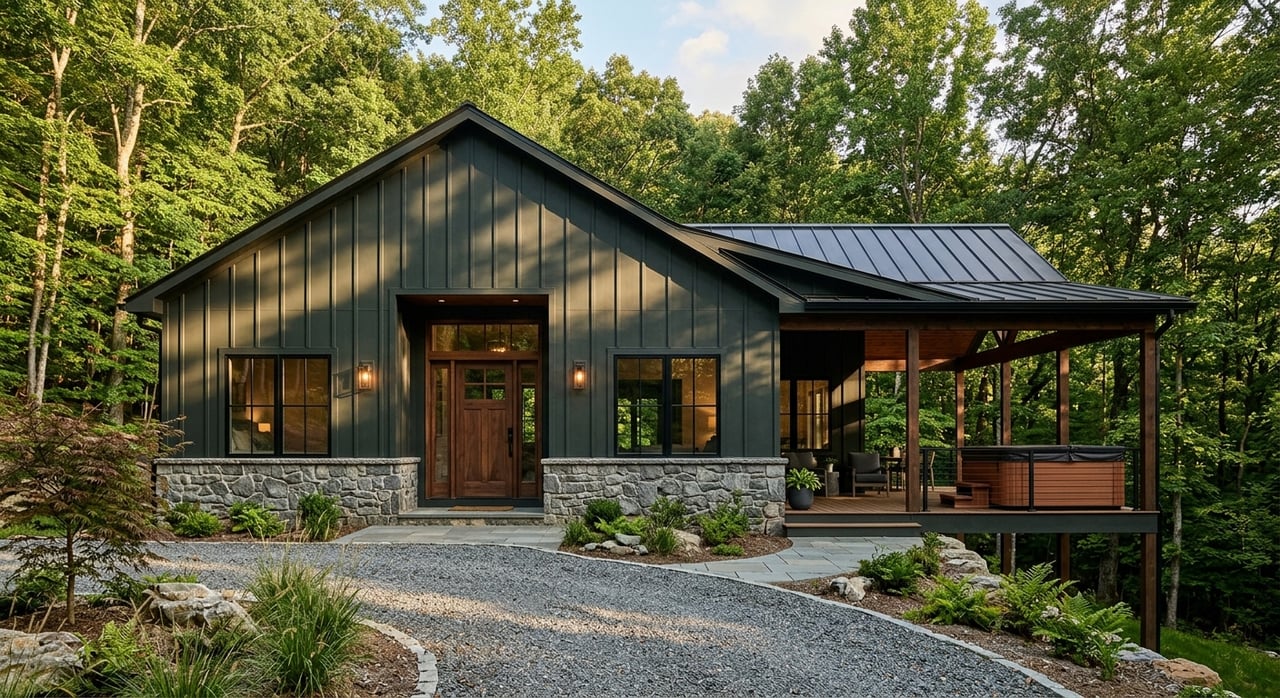
If you read a Pigeon Forge cabin listing the same way you would read a normal house listing, you can miss the details that matter most. In this market, a cabin is often more than a property. It can also be a tourism-driven business with rules, operating costs, and demand patterns that affect value. If you want to buy with an investor mindset, this guide will help you spot the numbers, red flags, and local details that deserve your attention first. Let’s dive in.
Why Pigeon Forge listings need a different lens
Pigeon Forge sits in one of the busiest tourism corridors in the country. Great Smoky Mountains National Park drew about 12.2 million visitors in 2024, and those visitors spent more than $2 billion in nearby communities. That creates a lodging-focused economy where buyer demand is tied closely to visitor traffic, attractions, and booking behavior.
That is why a cabin listing here should be read as a tourism asset, not just a home with mountain views. In Pigeon Forge, location relative to the Parkway, Dollywood, The Island, Pirates Voyage, and park access can matter more than the city name alone. A cabin that looks similar on paper may perform very differently based on how guests actually reach and use it.
Current market data also shows how specialized this segment is. AirDNA reports about 4,143 active short-term rental listings in Pigeon Forge, with roughly 53% occupancy, a $335 average daily rate, about $44,000 annual revenue per listing, and RevPAR around $170.60. Those numbers are useful context, but they are only a starting point.
Start with location and access
Read "minutes away" carefully
Many listings promise that a cabin is "minutes from attractions," but that phrase does not tell you enough. In the Smokies, drive time is shaped by road layout, traffic patterns, grade, curves, and ease of access. A property can be close in miles and still feel less convenient in practice.
The National Park Service directs many visitors through Sevierville and Pigeon Forge on US-441 into the park, and it notes that GPS can be unreliable in the mountains. It also notes there is no public transportation to the park from major cities in the area. For you as a buyer, that makes road access, parking, and winter drivability practical investment questions.
Check the real guest experience
When you review a listing, think about what arrival day looks like for the average guest. Is the driveway steep? Is there enough parking for the marketed group size? Will guests feel comfortable navigating the route after dark or in bad weather?
Those details can affect reviews, repeat bookings, and the kind of nightly rate the property can support. A strong location is not just scenic. It also needs to be functional.
Compare by bedroom count first
Bedroom count drives the comp set
In Pigeon Forge, bedroom count is one of the clearest ways to sort listings. AirDNA shows that 2-bedroom cabins make up the largest share of inventory at 37%, followed by 1-bedroom units at 24% and 3-bedroom units at 19%. That means the deepest comp pools are often in the 1- to 3-bedroom range.
If you are looking at a 2-bedroom cabin, compare it to other 2-bedroom vacation rentals with similar access, views, and amenities. Do not let a broad claim like "great income potential" carry too much weight unless the comp set matches closely. A cabin is only worth what its likely performance supports.
Be careful with large sleep counts
A high advertised sleep count can sound appealing, but it should not replace a legal occupancy check. In the City of Pigeon Forge, maximum occupancy for a short-term rental is capped at two transients per bedroom plus two additional transients, with an absolute maximum of 12 people total. If a listing markets more sleepers than local rules allow, that is a clear due diligence issue.
Larger cabins also sit in a smaller niche. While 1- to 3-bedroom cabins make up most of the market, 5+ bedroom properties are more specialized and should be supported by group-demand comps, not just by bunk beds and extra couches.
Treat amenities as pricing tools
Basic amenities are already standard
In this market, many basics are already expected. AirDNA reports that 99% of listings have air conditioning, 98% have internet, and 96% include kitchens and heating. So when you read a listing, do not give too much value to features that are already common across the market.
Instead, ask whether the amenity package truly helps the cabin compete. You want to know if the features justify a stronger nightly rate, better occupancy, or a wider guest appeal.
Look at amenities through a profit lens
Amenities can help a listing stand out, but they can also increase maintenance, replacement costs, and guest expectations. A feature is only helpful if it improves performance enough to offset the burden it creates.
As you review a listing, consider questions like these:
- Does the amenity set match the target guest for that bedroom size?
- Would the features support a rate premium compared with similar cabins?
- Could any item create higher maintenance or downtime?
- Is the property competing on substance or just on marketing language?
Watch for platform and booking signals
Pigeon Forge listings often reveal more than they intend if you know where to look. AirDNA shows that 71% of listings appear on both Airbnb and Vrbo, and nearly 60% use a 2-night minimum stay. Those details can give you a sense of how the property is positioned in the market.
If a seller shares booking history, platform mix matters. Revenue that comes from multiple major channels may suggest broader exposure. Minimum-stay rules can also shape occupancy and cleaning turnover, which affects the property’s operating model.
Verify the legal status before you price the deal
City and county rules are not the same
One of the biggest mistakes you can make is assuming every Pigeon Forge-area cabin falls under the same rules. Some cabins are inside Pigeon Forge city limits, while others are in unincorporated Sevier County. That single difference can change permit requirements, transfer rules, and your risk profile.
Inside the City of Pigeon Forge, short-term rentals are tightly regulated. The city requires an operating permit, an initial $300 permit fee, and $100 annual renewals. The city also requires a 24/7 contact person who can physically respond within 45 minutes.
Understand permit transfer rules
In the city, permit status deserves close attention because permits are non-transferable and become void when ownership transfers. The ordinance also states that the city’s rules create no vested right to continue short-term rental use indefinitely. If a listing is marketed as an income-producing cabin, you should still confirm whether that use can legally continue after closing.
In unincorporated Sevier County, the short-term rental program is different. A permit is required, the annual fee is $250 for occupancy of 12 or less plus $25 per additional occupant, and county buyer guidance says the permit account transfers to the new owner. That is why jurisdiction should be one of your first checks, not a late-stage detail.
Look for permit and compliance clues
The City of Pigeon Forge says it is unlawful to advertise a short-term rental without the permit number clearly displayed. If you review a listing and cannot verify that information, treat it as a warning sign worth investigating.
You should also review whether the marketed sleep count matches the certificate of occupancy and local occupancy limits. If the paperwork and the marketing do not line up, the listing may be telling a better story than the property can legally support.
Factor in taxes and operating costs
A listing price and gross revenue claim do not tell you the full story. In Pigeon Forge, the city business license application fee is $15, the gross receipts tax is 1% of gross sales, and the hotel or motel tax is 2.5% of gross hotel sales. The zoning ordinance also says short-term rental operators are responsible for applicable taxes that include hotel occupancy privilege tax, local option sales tax, city gross receipts tax, state sales tax, and state gross receipts tax.
That means you should read every income claim with expenses in mind. Gross revenue can look strong at first glance, but your underwriting should account for taxes, management fees, cleaning costs, insurance, utilities, maintenance reserves, and permit expenses.
Use rental history carefully
Market averages are benchmarks, not proof
Pigeon Forge market averages can help you screen a deal, but they should never be used as proof of return. AirDNA’s occupancy, ADR, annual revenue, and RevPAR data offer a broad snapshot. Your actual underwriting should be based on a like-for-like comp set built around bedroom count, legal occupancy, access, views, and amenity level.
This matters even more in a market where 2-bedroom cabins make up the largest share of inventory and larger cabins serve a narrower audience. If the comp set is too broad, it can push you toward an inflated valuation.
Ask for 12 months of records
If a seller or manager provides performance history, ask for at least 12 months of operating data before you rely on it. The most useful items include monthly occupancy, average daily rate, gross revenue by platform, management fees, cleaning costs, utility bills, insurance, maintenance reserves, tax filings, permit records, and inspection reports.
Sevier County buyer guidance specifically recommends reviewing the certificate of occupancy, the original application date, and inspection reports. That same mindset is useful in the city, where permit status, occupancy legality, and tax compliance can shape the real value of the property.
A smart pre-offer checklist
Before you get too attached to a cabin listing, work through these basics:
- Confirm whether the property is inside Pigeon Forge city limits or in unincorporated Sevier County.
- Verify current short-term rental permit status.
- Confirm whether the permit can remain in place after closing.
- Compare the marketed sleep count to the certificate of occupancy and local occupancy limits.
- Check whether a permit number is clearly displayed when required.
- Review driveway grade, parking, and road access in person if possible.
- Ask for at least 12 months of operating history.
- Review private HOA or CCR restrictions separately, since the city does not enforce private agreements.
The investor mindset that saves you money
The best Pigeon Forge cabin buyers do not get distracted by cabin charm alone. They read listings with a simple question in mind: Does the property’s legal setup, guest appeal, and operating reality support the price? That approach helps you avoid overpaying for a property whose marketing is stronger than its fundamentals.
When you break a listing down by location, bedroom band, legal occupancy, permit status, access, amenities, and real operating history, you can evaluate it like an investor instead of a casual shopper. That does not remove all risk, but it gives you a much clearer picture before you make an offer.
If you want a local perspective on a Pigeon Forge cabin, second home, or short-term-rental purchase, United Real Estate Solutions - Market Movers can help you evaluate the details that matter and move forward with more confidence.
FAQs
What should you check first in a Pigeon Forge cabin listing?
- Start with jurisdiction, location, and legal short-term-rental status. You need to know whether the property is in the City of Pigeon Forge or unincorporated Sevier County before you trust the listing’s income potential.
How do bedroom count and sleep count affect a Pigeon Forge cabin investment?
- Bedroom count helps you build the right comp set, while sleep count should be checked against local occupancy rules and the certificate of occupancy so you do not rely on unsupported marketing claims.
Why does road access matter for a Pigeon Forge short-term rental?
- Guests often drive to the area, GPS can be unreliable in the mountains, and steep roads or limited parking can affect reviews, bookings, and the property’s practical appeal.
Can you rely on a seller’s revenue claims for a Pigeon Forge cabin?
- Treat them as screening data only. Ask for at least 12 months of detailed operating history and compare the property to similar vacation-rental comps before you use those numbers in your valuation.
Why is permit status so important for a Pigeon Forge-area cabin purchase?
- Permit rules can change the entire deal. In the city, permits are non-transferable and become void on ownership transfer, while Sevier County has a different program with different transfer guidance.
What expenses should you include when reviewing a Pigeon Forge cabin listing?
- Look beyond gross revenue and include taxes, permit fees, management fees, cleaning, insurance, utilities, and maintenance reserves so you can judge the property’s true economics.