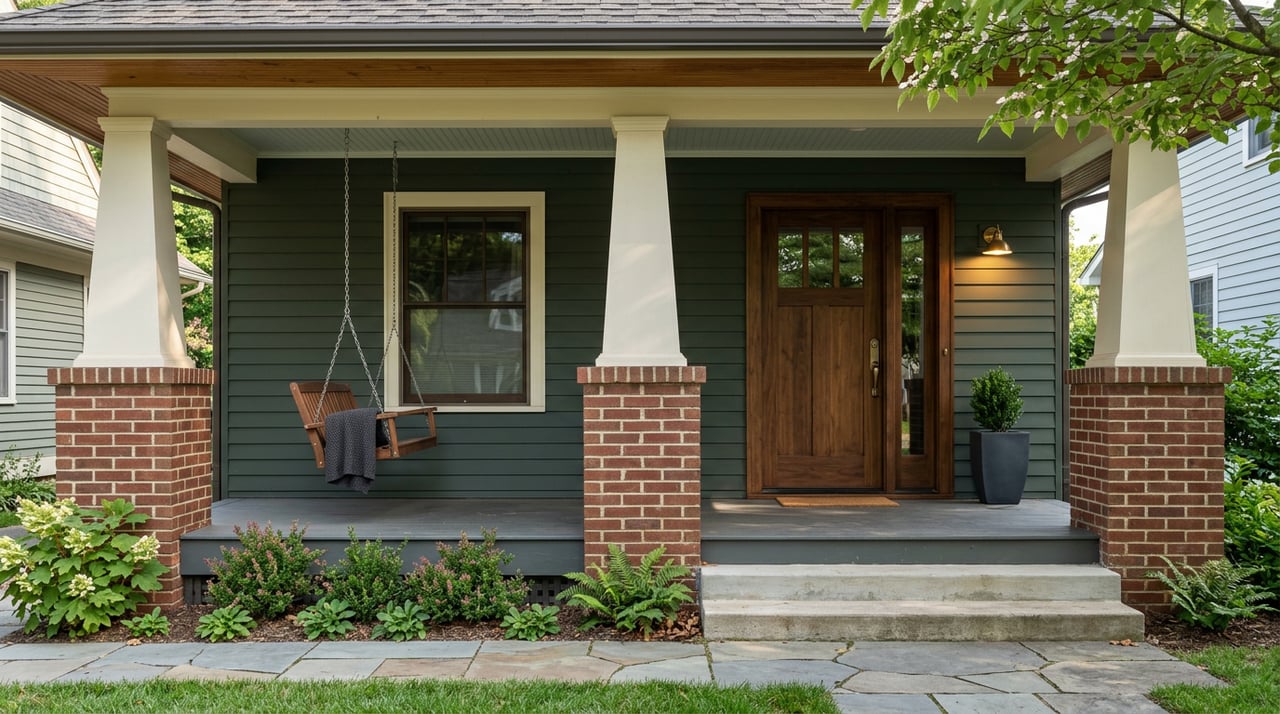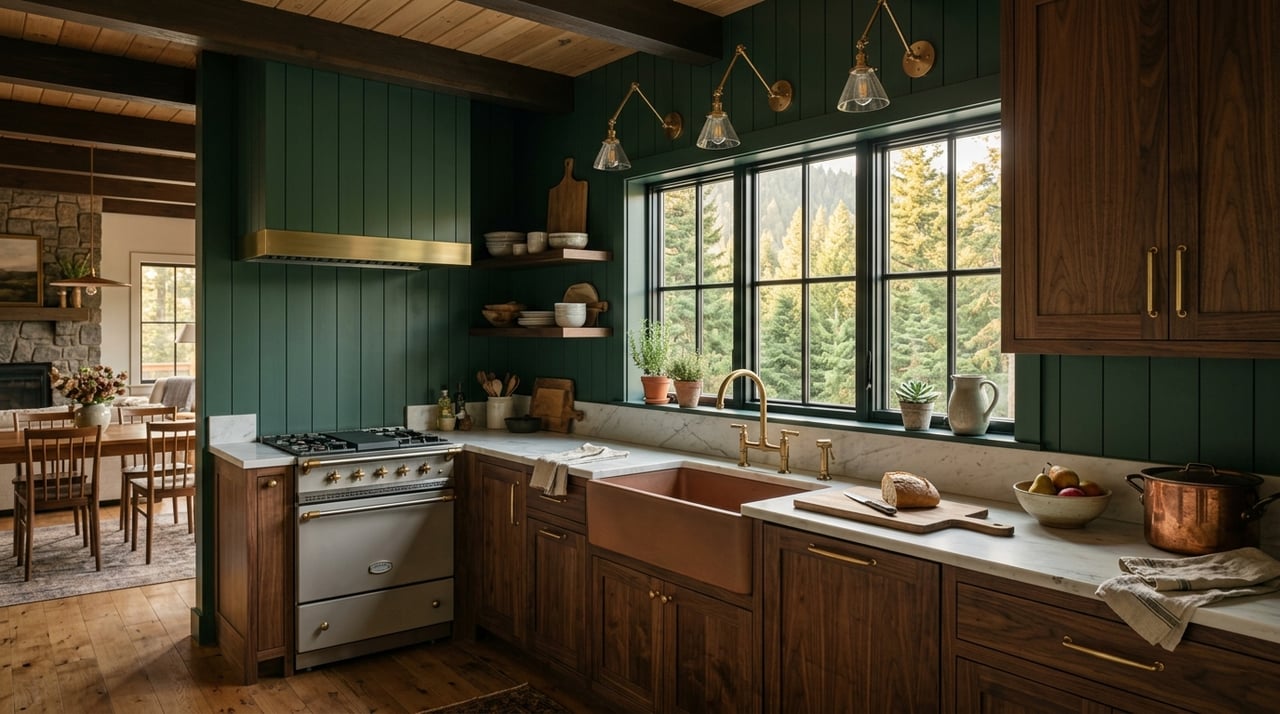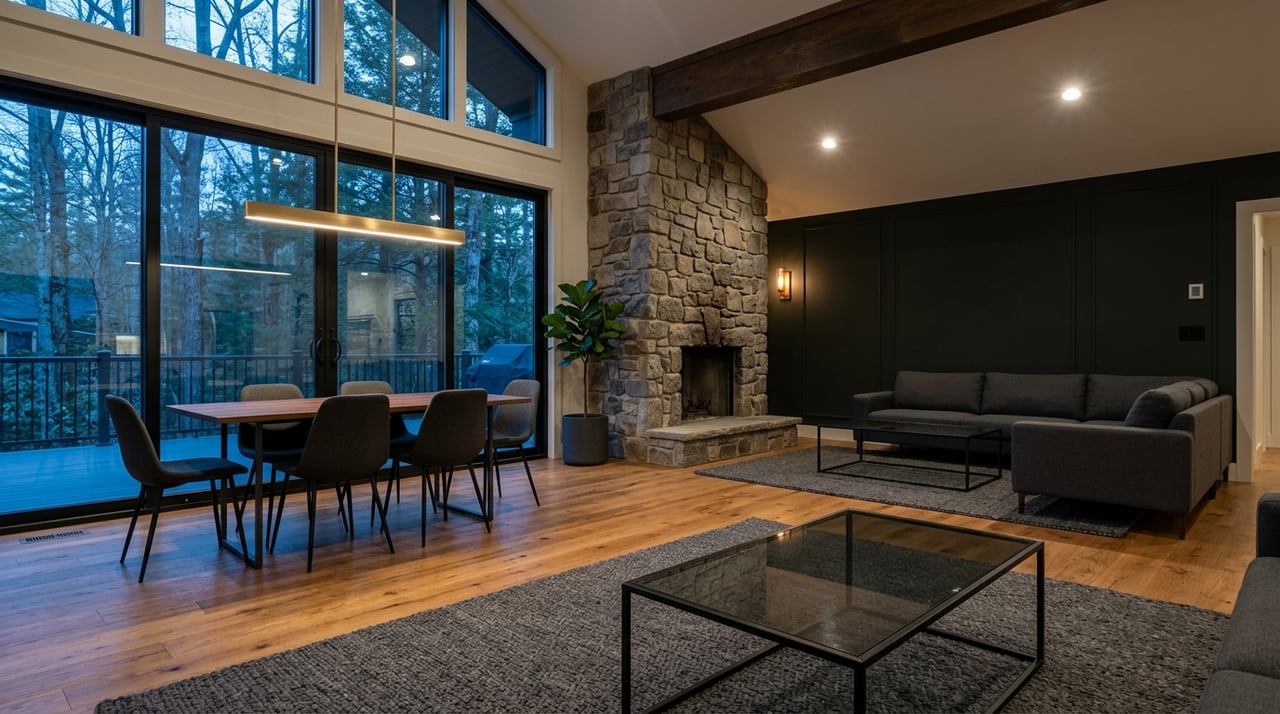
Thinking about buying a short-term rental in Pigeon Forge but stuck between a cozy cabin or a convenient condo? You are not alone. Each option can work well here, but they perform differently and have different risks. In this guide, you will compare costs, income potential, operations, regulations, and resale so you can choose with confidence. Let’s dive in.
Quick answer: it depends on goals
If you want higher rates and a unique guest experience, a cabin can shine. If you prefer a lower entry cost and simpler operations, a condo often fits better. The best choice comes down to your capital, time commitment, and risk tolerance.
- Choose a cabin if you value privacy, space for groups, and on-site amenities that drive higher ADR on weekends and holidays.
- Choose a condo if you want walkable convenience, shared amenities without the upkeep, and fewer day-to-day maintenance surprises.
Pigeon Forge market context
Pigeon Forge draws steady leisure demand thanks to the Great Smoky Mountains National Park, Dollywood, seasonal recreation, and festivals. You can expect clear peaks in spring, summer, fall foliage, and major holidays.
Cabins and condos serve different trip types. Cabins often target larger groups, while condos fit couples or small families looking for convenience and price point. Inventory includes purpose-built cabins in mountain settings and condo complexes near the Parkway.
Cost and financing
Cabins
Cabins typically cost more per bedroom, especially with mountain views or creek frontage. You may face extra due diligence like septic or well checks, road or driveway conditions, and erosion control. Many cabins qualify for single-family financing, but lenders treat vacation properties differently, so plan for careful underwriting.
Condos
Condos often offer a lower entry price per bedroom within established developments. Financing is similar to other condos, but some lenders limit loans to condo units used as short-term rentals. HOA reserves, insurance, and assessments can affect both approval and monthly costs.
Revenue and occupancy
Cabins
Cabins often command higher ADR for weekends and holiday weeks by serving groups and offering amenities like game rooms and hot tubs. More guests can raise cleaning fees and wear, but they can also lift revenue per booking.
Condos
Condos appeal to travelers seeking convenience and a lower nightly rate. Proximity to attractions and shared amenities like pools can support bookings, including some steadier midweek stays in certain seasons.
Operating expenses
Cabins
Expect higher maintenance with exterior care, decks, roofs, and log or wood siding. Utilities can be higher due to size and hot tubs. If you are on septic or well, budget for service and inspections. You may have little or no HOA, which lowers dues but shifts all responsibility to you.
Condos
HOA fees often cover building exterior, landscaping, and shared amenities. Some utilities may be included or split. Special assessments can happen, and HOA rules can affect what you can do with your rental. Always confirm rental policies and fee structures in writing.
Management and daily operations
Cabins
Cabins usually need responsive local support for guest issues, weather-related access, and amenity checks. Cleaners and maintenance may spend more time traveling and turning larger properties. Hot tubs, firepits, and grills add guest appeal and also require routine checks.
Condos
Condos can be easier to manage due to central locations and shared amenities. Turnovers are often faster with shorter travel for cleaners. Some HOAs set rules on rental platforms or minimum stays, so verify policies before you buy.
Legal, taxes, and insurance
Permits and licensing
Confirm short-term rental permits, business licenses, and safety inspections with Pigeon Forge and Sevier County. Plan for fire and electrical safety compliance and waste or sewage requirements for properties on septic.
Taxes and collection
Understand how to register for and remit lodging or tourism taxes and sales tax. The Tennessee Department of Revenue and your local municipality outline what to collect and how to file.
HOA and condo rules
If you are considering a condo, review the association’s rental rules, minimum stays, guest registration procedures, and any platform restrictions. Ask for written confirmation of current policies.
Insurance details
Short-term rental policies can differ for cabins and condos. Confirm liability limits for hot tubs and outdoor features, loss of income coverage, and how the condo master policy interacts with your unit’s contents and interior finishes.
Guest experience and marketing
Cabins
Cabins sell privacy, views, and immersive mountain experiences. You can market to groups seeking space and on-site fun. Focus on photos that highlight outdoor living, thematic interiors, and amenities.
Condos
Condos sell convenience and value. Proximity to the Parkway, shared pools, and quick arrivals make them attractive. Market easy access to attractions, restaurants, and events.
Resale, liquidity, and risk
Cabins
Cabins can appreciate as unique vacation assets, but the buyer pool may be narrower. Mountain access, winter road conditions, and septic concerns can affect resale. Operating costs can be more variable.
Condos
Condos may attract a broader mix of buyers, but changes in HOA policies or special assessments add risk. Association health and reserves matter for long-term value.
How to run the numbers
Build two pro formas using local data: a conservative case and an optimistic case. Include seasonality, weekend vs midweek rates, and true operating costs.
Key inputs to gather:
- Purchase price, closing costs, and loan terms
- ADR by season and expected occupancy by month
- Platform fees, management fees, and cleaning costs per turnover
- HOA dues and any known assessments for condos
- Property tax, insurance, utilities, landscaping, septic or well service
- Licensing fees, inspection costs, and lodging or sales tax remittance steps
- Capital reserves for big-ticket items like roof or HVAC
Run sensitivity checks:
- Occupancy down 10 to 30 percent
- ADR down 10 to 20 percent
- One major repair in a given year
- A special assessment for condos
Track metrics:
- Gross income and net operating income
- Cash flow after debt service
- Cash-on-cash return and cap rate
- Payback period and break-even occupancy
Local checklist before you buy
- Confirm short-term rental legality and permits with Pigeon Forge and Sevier County.
- Verify lodging and sales tax registration and filing steps with Tennessee authorities.
- For condos: review CC&Rs, rental rules, occupancy limits, insurance requirements, minutes for pending assessments or rule changes.
- For cabins: inspect septic, well, utilities, private road maintenance, winter access, and any floodplain considerations.
- Request historical rental performance for the specific property if it has been an STR.
- Get quotes for insurance and property management from local providers with Sevier County experience.
- Prepare for municipal fire and safety requirements, including smoke and CO detectors and hot tub safety.
Which option fits you best?
If you want top-line rates, a differentiated guest experience, and you are ready for hands-on operations, a cabin can perform well. If you want a simpler setup with shared amenities and a lower purchase price, a condo often makes sense. Either way, the strongest decisions come from realistic modeling, clear HOA rules, and local vendor support.
You do not have to sort this out alone. Our team pairs short-term-rental savvy with HOA and land expertise to help you buy with clarity. If you are ready to compare live deals and run side-by-side pro formas, connect with United Real Estate Solutions - Market Movers for a focused consult.
FAQs
What permits and taxes apply to Pigeon Forge short-term rentals?
- Confirm city and county short-term rental permits, business licensing, and safety inspections, then register for lodging and sales tax as outlined by Tennessee and local authorities.
Do Pigeon Forge condo HOAs allow short-term rentals?
- It depends on the association; review CC&Rs and rental policies and get written confirmation of minimum stays, platform rules, and guest registration procedures.
Which type typically earns more in Pigeon Forge, a cabin or a condo?
- It varies by size, location, and season; cabins can achieve higher ADR for group stays while condos can see steady demand at lower price points, so model both with local data.
How should I estimate operating costs for each property type?
- Gather quotes for management, cleaning, utilities, insurance, landscaping, and for condos include HOA dues and possible assessments; for cabins include septic or well service and amenity upkeep.
How seasonal is demand and how do I plan for it?
- Expect clear peaks in spring, summer, fall foliage, and major holidays with softer midweek shoulder periods; build reserves and plan pricing and marketing around seasonality.