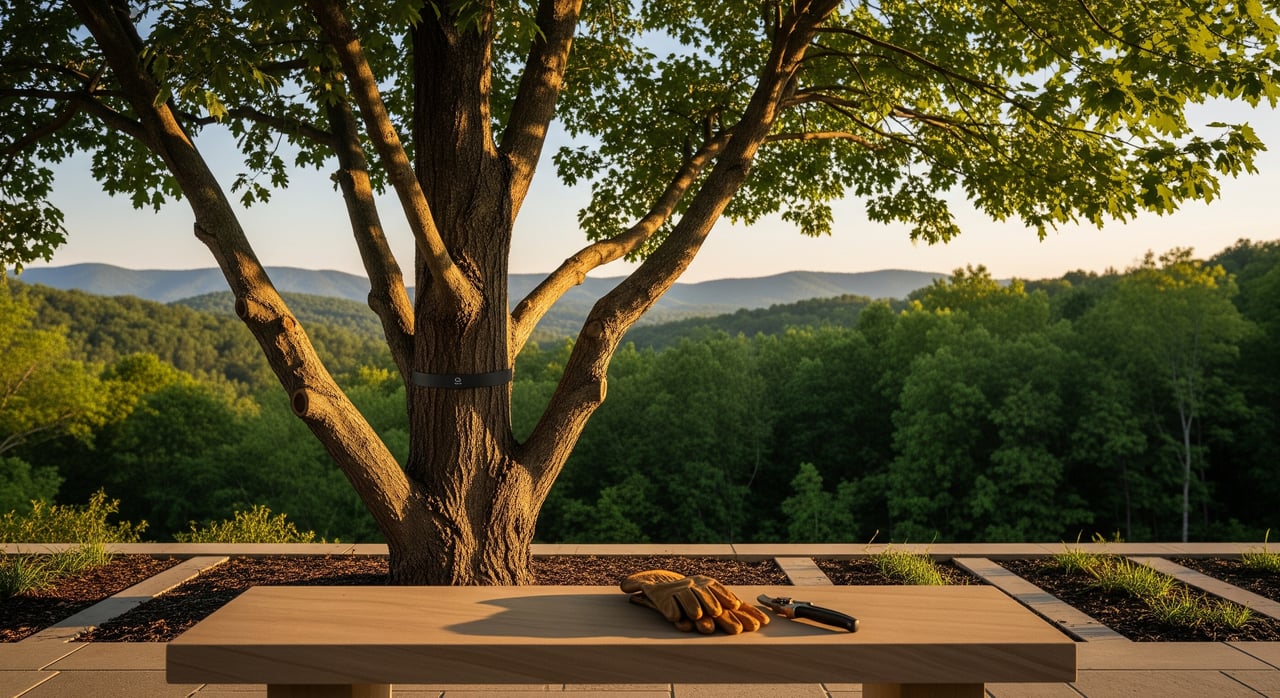
If you live near South Knoxville’s Urban Wilderness, your trees do more than provide shade. They help protect trails, streams, and the unique landscape that draws people to Kimberlin Heights and beyond. You want a yard that looks great, stays safe, and supports the ecosystem around you. This guide shows you how to choose the right trees, plant and prune at the right times, protect roots near trails and streams, and know who to call before you dig or trim. Let’s dive in.
Why your location changes tree care
South Knoxville’s Urban Wilderness is a connected system of parks, trails, and greenways, with more than 50 miles of trails and over a thousand acres of forested land managed by multiple partners. Learn how the system works in the city’s overview of the Urban Wilderness and its partners at the Urban Wilderness Gateway Park project page.
Kimberlin Heights is a semi‑rural community in unincorporated Knox County. Parcels can sit next to public trails or waterways, so ownership and responsibility for tree work may vary. See background on the area on Kimberlin Heights, Tennessee.
Knoxville’s Urban Forest Master Plan prioritizes canopy protection and resilience. If your property borders public land or a managed corridor, tree decisions should consider trail safety, erosion control, and native habitat.
Climate, soils, and timing in South Knoxville
Knox County sits in USDA Zone 7b, with typical lows of 5 to 10 degrees Fahrenheit and about 50 to 55 inches of annual rainfall. First frost often arrives in late October, with last frost around mid‑April, based on local zone mapping for 37920.
For strong root establishment, plant in fall or early spring. That timing helps trees settle before summer heat, as noted in this overview on best planting windows.
Soils vary from upland ridges to limestone valleys and wetter streambanks. Match species to your site and moisture level for long‑term success.
Pick the right tree for the site
Choosing native, site‑appropriate trees supports wildlife, stabilizes soil, and reduces maintenance. Explore local options using the city’s native trees of Knoxville guide and UT’s Trees for Tennessee Landscapes.
- Large shade trees: Tulip poplar and many oaks from the white and red oak groups. Red maple can work in the right spots.
- Streamside or wet areas: River birch, sycamore, and a layered buffer of shrubs such as buttonbush and silky dogwood. Learn why mixed riparian buffers matter in this overview on riparian buffers and bank stabilization.
- Small or ornamental trees: Eastern redbud, serviceberry, flowering dogwood, native hickories, and blackgum for fall color and wildlife value.
Avoid installing invasive plants that spread aggressively, such as Bradford pear, bush honeysuckle, privet, princess tree, tree‑of‑heaven, and kudzu. Tennessee’s guidance on invasive plants explains why they harm local ecosystems.
Plant the right way
Planting correctly gives your tree a strong start and saves money on fixes later. Use these simple steps:
- Dig wide, not deep. Make the hole 2 to 3 times the width of the root ball, and set the root flare slightly above grade. See detailed steps from Purdue Extension.
- Backfill with native soil. Skip bulky soil amendments.
- Mulch like a donut. Apply 2 to 3 inches of mulch in a wide ring, keeping mulch off the trunk. The Arbor Day Foundation shows proper mulching and watering.
- Water deeply while the tree establishes. Check soil moisture during dry spells.
- Check for power lines before you plant. Follow KUB’s Plant Smart spacing guidance and avoid placing large trees beneath lines.
Prune, mulch, and protect roots
Prune young trees during the dormant season to build strong branch structure. Remove dead or hazardous limbs anytime. Flowering trees that bloom on old wood should be pruned soon after flowering. Review proper techniques in this ISA pruning guidance summary.
Keep a mulch ring under the canopy to reduce mower damage and lawn competition. Maintain 2 to 3 inches of mulch, pulled back from the trunk. Deep, infrequent watering supports root growth in dry periods.
During construction or landscaping, fence off the critical root zone. A common rule of thumb is 1 to 1.5 feet of radius per inch of trunk diameter, or at least to the dripline. For projects that could impact public trees or the canopy, consult the city’s Urban Forest Master Plan.
Trail‑edge and streamside best practices
If your yard borders a trail or stream, keep or restore a layered native buffer of trees, shrubs, and groundcovers. Aim for at least 15 feet of unmowed vegetation near streams when possible, as outlined in this article on riparian buffer benefits.
Always coordinate with the corridor’s manager before altering vegetation along formal trail or restoration areas. Review the city’s Urban Wilderness trail guidelines and consider partner groups like Legacy Parks Foundation when your project touches a managed site.
Pests and diseases to watch in Knox County
Emerald ash borer is established in Tennessee, and ash trees are at risk. Learn about identification and treatment options on the state’s page for emerald ash borer.
Oak wilt is a serious disease for oaks. Avoid pruning oaks from March through July when beetle vectors are active. See Tennessee’s overview of oak wilt.
Laurel wilt affects sassafras and spicebush, and spongy moth outbreaks can defoliate oaks. Monitor and report issues to state forestry or UT Extension using Tennessee’s forest insects resource hub.
If you suspect an infestation, early diagnosis helps. High‑value trees may be treated by professionals. When risk is high or decline is severe, removal may be the safest option. Use ISA’s tool to find a qualified arborist.
Permits, utilities, and who to call
City‑owned trees or work that impacts public property can require permits. Check the City of Knoxville’s Tree Ordinance and permit process before you proceed.
For anything near power lines, coordinate with KUB. Review KUB’s vegetation management and use their Plant Smart spacing guidance. For tree pruning coordination, see KUB’s tree pruning contact page.
Local partners can help with selection, planting, and volunteering. Explore Trees Knoxville and UT Extension Forestry for classes, lists, and local events.
Smart homeowner checklist
- Call 811 at least three business days before you dig. Then review KUB’s Plant Smart guidance.
- Match the tree to the site: upland shade, small ornamental, or riparian. Consult the city’s native tree list and UT’s Trees for Tennessee Landscapes.
- Plant correctly: wide hole, visible root flare, mulch donut, deep watering. See Purdue Extension and the Arbor Day Foundation.
- Protect roots during construction and avoid grade changes around trees. Reference the city’s Urban Forest Master Plan.
- Inspect annually for pests and diseases, and report regulated pests through Tennessee’s forest insects portal.
- Coordinate with trail stewards before altering vegetation along managed trails or restoration areas. Start with the city’s Urban Wilderness overview.
Make tree care part of your move or sale
Healthy, well‑placed trees boost curb appeal and can reduce maintenance surprises for buyers. If you are planning a sale or considering a property near trails or streams, use this guide to plan smart plantings and proactive care. For local, neighborhood‑level advice as you buy, sell, or invest in South Knoxville, reach out to United Real Estate Solutions - Market Movers.
FAQs
What trees grow best near South Knoxville streams?
- Choose natives that handle periodic moisture and stabilize banks, such as river birch, sycamore, buttonbush, and silky dogwood, and maintain a layered buffer as outlined in this article on riparian buffers.
When should I prune oaks in Knox County to avoid oak wilt?
- Avoid pruning oaks from March through July when beetle vectors are active, and see Tennessee’s guidance on oak wilt.
Who do I contact before trimming trees near a trail or city property in South Knoxville?
- Confirm ownership and check the City of Knoxville’s Tree Ordinance and permit process; coordinate with trail partners listed in the city’s Urban Wilderness overview.
How close can I plant trees to KUB power lines?
- Avoid planting large canopy trees beneath lines and follow KUB’s spacing recommendations in their Plant Smart guidance; contact KUB before work near lines using their vegetation management resources.
How do I find a qualified arborist in Knoxville?
- Use the ISA tool to find an ISA Certified Arborist for risk assessments, pruning, injections, or removals, especially near utilities or public corridors.