If you are shopping for a cabin in Gatlinburg, one question can shape your budget, timeline, and stress level fast: should you buy a turnkey cabin or take on a fixer? In a market tied closely to Smoky Mountain visitor traffic, that choice is about more than finishes and furniture. It is also about permits, occupancy limits, inspections, taxes, and site conditions. This guide will help you compare both paths so you can choose with more confidence. Let’s dive in.
Why this choice matters in Gatlinburg
Gatlinburg is not just a mountain home market. It is also part of a tourism-driven area connected to Great Smoky Mountains National Park, which recorded more than 12 million recreational visits in 2024. That level of visitor activity helps explain why many buyers look at cabins here as both personal retreats and potential short-term rental properties.
Because of that, a cabin purchase often needs to work as an operating asset, not only a place to stay. The right choice depends on how quickly you want to use the property, how much renovation risk you can handle, and whether the cabin already aligns with local permit and occupancy rules.
What turnkey usually means
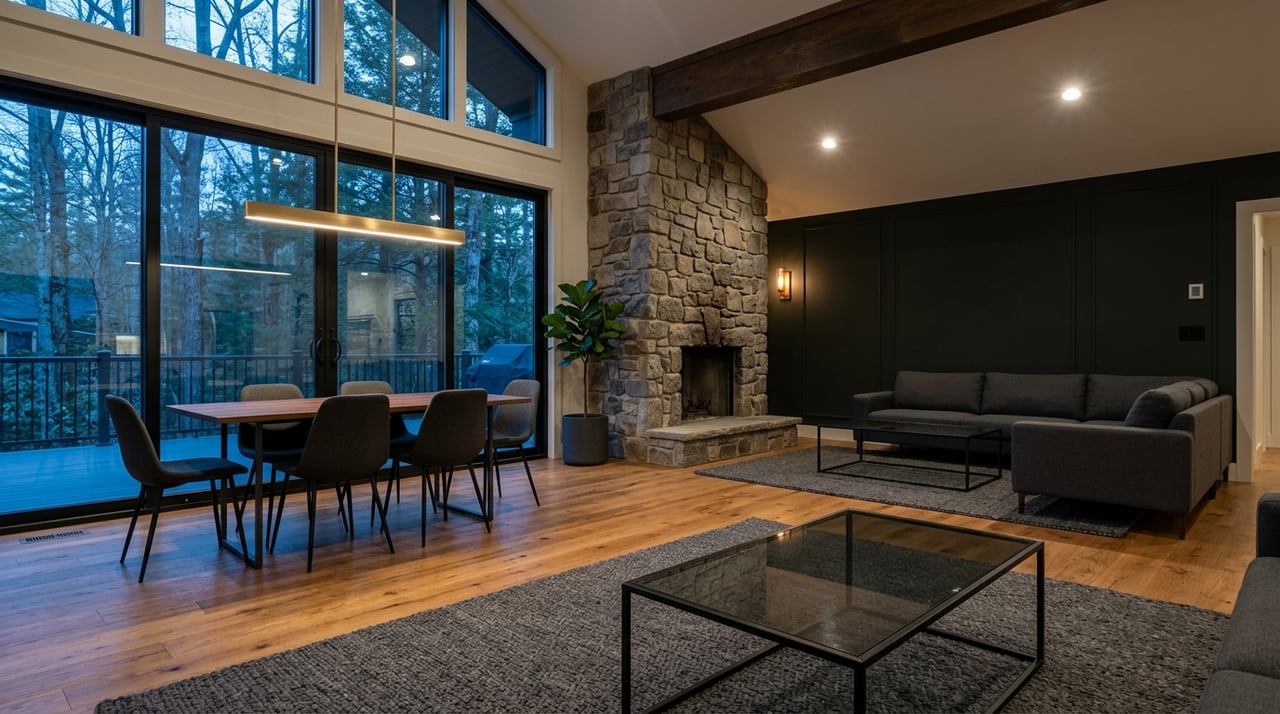
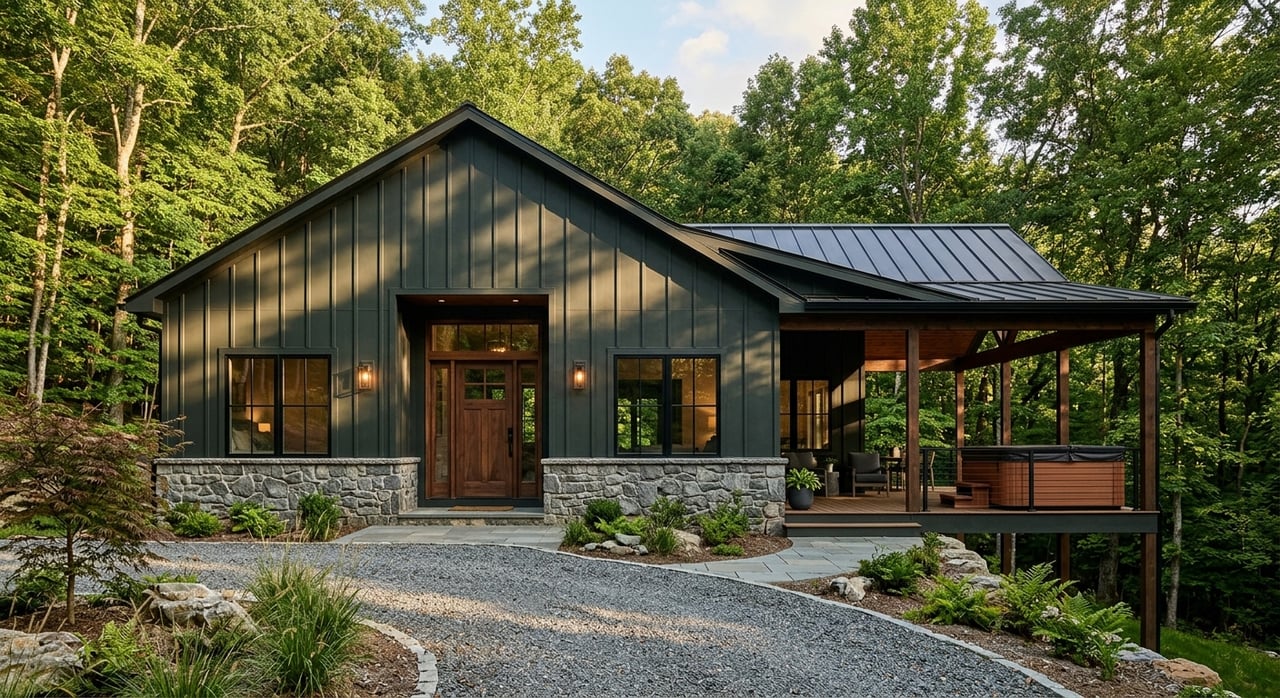
A turnkey cabin is generally a property that is closer to ready for personal use or rental use without major repairs or remodeling. For many buyers, that means less project management, fewer moving parts, and a faster path to using the property.
That said, turnkey does not mean you can skip due diligence. Even a polished, furnished cabin can still have issues with permit status, occupancy limits, tax setup, flood exposure, or water and septic service.
Why buyers choose turnkey
Turnkey cabins are often a better fit if your main goals are speed and simplicity. If you want a property that is closer to operational compliance from day one, this route may make more sense.
You may also prefer turnkey if you do not want to manage contractors, inspections, and code-related upgrades. In a market like Gatlinburg, avoiding renovation delays can be a major advantage.
What to verify before closing on a turnkey cabin
Before you assume a cabin is truly rental-ready, confirm the basics carefully. In this area, the details matter.
- Whether the property is inside Gatlinburg city limits or in unincorporated Sevier County
- Current short-term rental permit status
- Certificate of occupancy details
- Maximum permitted occupancy
- Whether advertised sleeping capacity matches declared occupancy
- Tax setup for short-term rental use
- Flood-zone considerations
- Water, sewer, or septic service details
- Prior inspection reports, if available
In Sevier County, buyers are advised to verify the certificate of occupancy, request prior inspection reports, and confirm the property is in an area that allows short-term rentals. The county also notes that owners can be billed if sleeping accommodations exceed what was declared.
What fixer usually means
A fixer cabin usually appeals to buyers who want a lower entry price and the chance to create value through updates. You may be able to improve layout, finishes, or guest appeal, but that upside comes with more uncertainty.
In Gatlinburg and Sevier County, the hidden costs are often not cosmetic. They can show up through code upgrades, inspections, site work, septic issues, or occupancy-related requirements.
Why buyers choose a fixer
A fixer can make sense if you have a realistic renovation budget and patience for a longer timeline. Some buyers like the opportunity to shape the cabin around their own use plans or improve it for future rental demand.
This path may also appeal to you if you believe the post-renovation value can outweigh the purchase discount, carrying costs, and compliance work. The key is to underwrite the full project, not just the visible repairs.
Where fixer costs can rise quickly
A cabin that looks like a cosmetic project can become much more involved once permits and inspections enter the picture. That is especially true if you want to convert a property to short-term rental use or change occupancy.
In unincorporated Sevier County, converting a residence to a short-term rental requires a permit application, inspection checklist, photos, and a copy of the certificate of occupancy. The county also says applications received after June 30, 2024 may be reviewed by the Fire Marshal or Fire Inspector and may need to meet current code requirements.
The county checklist is detailed and can affect your budget. Requirements can include:
- Interconnected, UL-listed smoke alarms
- Carbon monoxide alarms near bedrooms and fuel-burning appliances
- At least one fire extinguisher on each level
- Evacuation plans on each level
- Annual professional chimney or firebox cleaning and inspection
Larger cabins may face more requirements. In Sevier County, units that are more than 3 stories, more than 5,000 square feet, or sleeping 13 or more people, if they violate certificate of occupancy load limits, may need sprinkler systems, emergency lighting, and additional exits.
County permit fees are non-refundable, so failed inspections or mid-project scope changes can add cost quickly. If a cabin also needs septic work, that can turn a light remodel into a major utility and site-work project.
City limits or county changes everything
One of the first questions to answer is simple: is the cabin inside Gatlinburg city limits or in unincorporated Sevier County? That answer affects permit type, fees, and the local process you will follow.
Inside Gatlinburg city limits, overnight rentals require a Tourist Residency Permit. The property must be properly zoned, and the application asks for owner and rental-agent information, bedroom count, stories, occupancy, and square footage.
The current city fee is $200 for a unit with two or fewer bedrooms, plus $75 for each bedroom above two. Gatlinburg says those fees cover fire and building inspections.
In unincorporated Sevier County, a Short-Term Rental Permit has been required since January 1, 2024. The county lists a $250 annual fee for occupancy of 12 or less, then adds $25 per occupant at 13 or more, and says operating without a permit can trigger a $50 per day penalty.
If you are comparing a turnkey cabin with a fixer, this city-versus-county distinction should be part of your decision from the start. It can shape both your upfront cost and your timeline to begin using the property.
Building codes can affect fixer budgets
Older cabins can be especially tricky because visible condition is only part of the story. Gatlinburg states that building permit applications and design plans submitted after May 4, 2021 must comply with 2018 code requirements, including the 2018 International Residential Code and Existing Building Code.
That means a remodel may trigger code-driven costs even if the cabin appears structurally sound at first glance. If you are buying a fixer, it is smart to treat code compliance as a budget category, not an afterthought.
Gatlinburg’s Building and Planning Department administers building codes, inspections, plan review, and zoning ordinances. For a buyer, that reinforces an important point: renovation feasibility is never just about design ideas. It is also about approvals and inspections.
Taxes and operations matter too
If you plan to use the cabin as a short-term rental, taxes should be part of your decision. Tennessee says short-term rentals of less than 90 consecutive days are subject to sales tax, and the sales price includes required cleaning fees, pet deposits, and similar guest charges.
The state also says local occupancy tax applies separately. If a residential unit is not rented through a marketplace, the owner continues to pay that local occupancy tax directly to the local government.
For buyers choosing between turnkey and fixer, this matters because operational readiness is more than a finished interior. The smoother option is often the one that already has the permit path, occupancy setup, and tax handling aligned with your intended use.
Do not overlook flood, sewer, or septic issues
Mountain property can come with site-specific details that change the math quickly. Gatlinburg participates in the National Flood Insurance Program and provides help with flood-zone, base flood elevation, and finished floor elevation information.
That makes flood exposure worth checking before you close, whether the cabin is turnkey or a fixer. A beautiful location does not automatically mean a simple insurance or site profile.
Utility setup matters too. If a property depends on septic, Tennessee says a septic system permit should be obtained before dirt work or construction, including a building pad. If the property is inside the city and tied into public systems, Gatlinburg Utilities handles water and wastewater service.
How to choose the right path for you
If your priority is faster use, lower renovation risk, and fewer unknowns, turnkey is often the better fit. You will still need to verify permits, occupancy, taxes, and utility details, but the property may be closer to your goals from day one.
If your priority is buying at a discount and creating value through improvements, a fixer may be the better path. Just make sure your budget includes more than finish updates. In this market, code requirements, inspection items, occupancy changes, and site work can be the real cost drivers.
A simple way to decide is to ask yourself these questions:
- Do you want to use or rent the cabin as soon as possible?
- Are you comfortable managing renovation timelines and permit steps?
- Does the current certificate of occupancy match your intended use?
- Is the cabin in the city or the county, and what permit process applies?
- Are flood risk, water service, sewer, or septic issues already clear?
- If occupancy needs to change, are you prepared for added compliance work?
The best choice is usually the one that fits your timeline, risk tolerance, and total budget, not just the list price. In Gatlinburg, that local detail can make all the difference.
If you are weighing cabins in Gatlinburg or anywhere in the Smoky Mountain corridor, having a local guide can help you spot the difference between a smart opportunity and an expensive surprise. Connect with United Real Estate Solutions - Market Movers to compare properties, ask better due-diligence questions, and move forward with a clearer plan.
FAQs
Can you rent out a cabin right away in Gatlinburg?
- Usually only if zoning, permit requirements, occupancy limits, and tax obligations are already in place for the property’s intended use.
What is the difference between Gatlinburg city and Sevier County rental rules?
- Inside Gatlinburg city limits, overnight rentals require a Tourist Residency Permit. In unincorporated Sevier County, a Short-Term Rental Permit is required, with its own fee schedule and compliance process.
Is a fixer cabin in Gatlinburg always cheaper?
- No. A lower purchase price can be offset by code upgrades, inspections, septic or site work, permit fees, and delays before the property is ready to use.
What should you verify on a turnkey cabin in Sevier County?
- Check permit status, certificate of occupancy, permitted occupancy, prior inspection reports, tax setup, flood considerations, and whether water, sewer, or septic service supports your intended use.
Can changing cabin occupancy create extra costs?
- Yes. Sevier County says changes to permitted occupancy may require additional code and account compliance, and larger or higher-occupancy cabins can trigger more safety requirements.