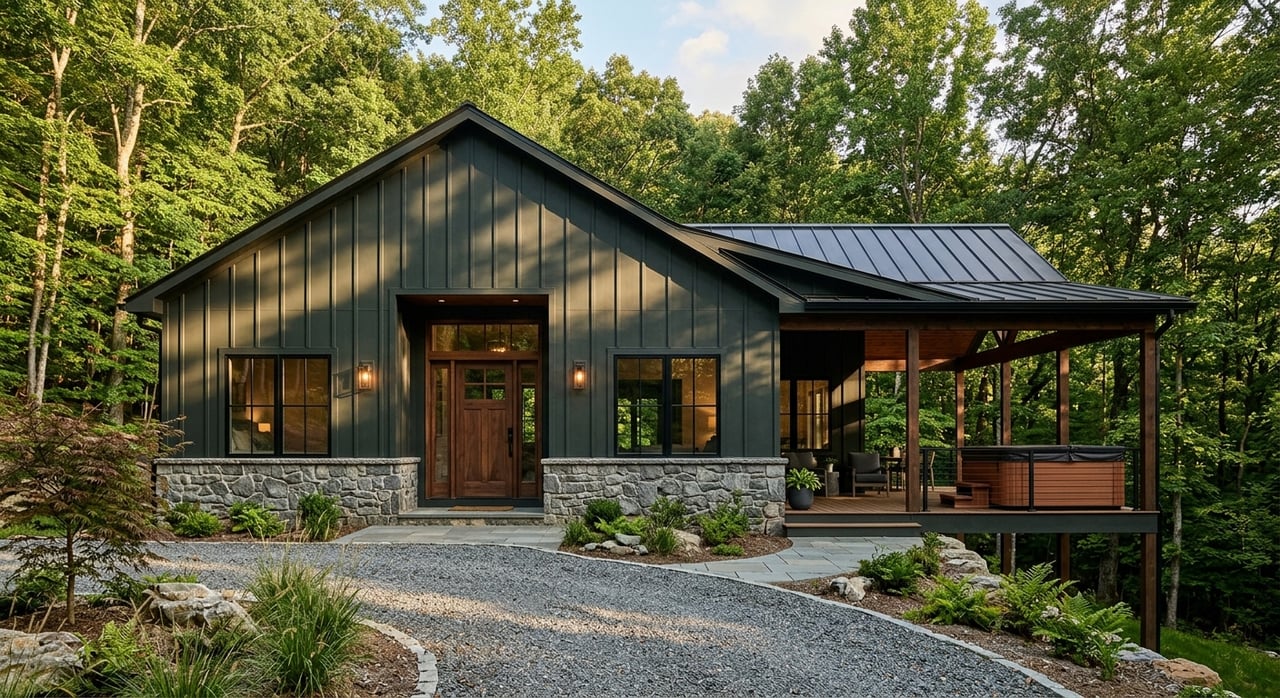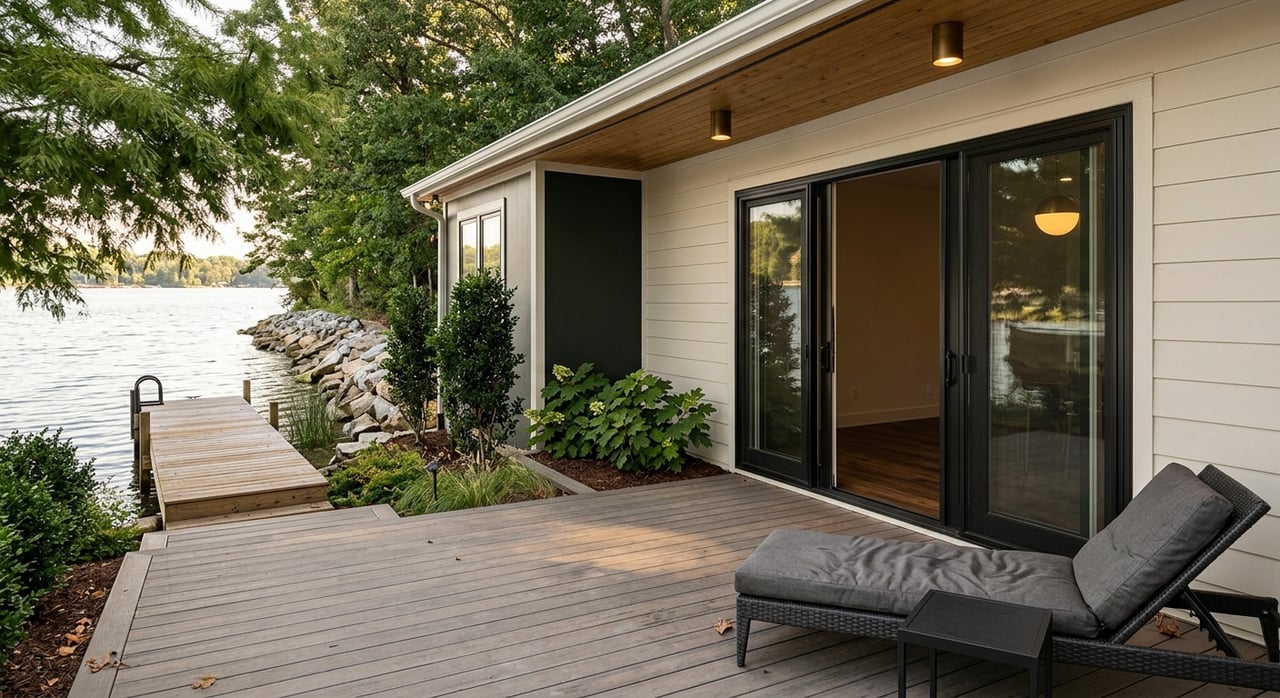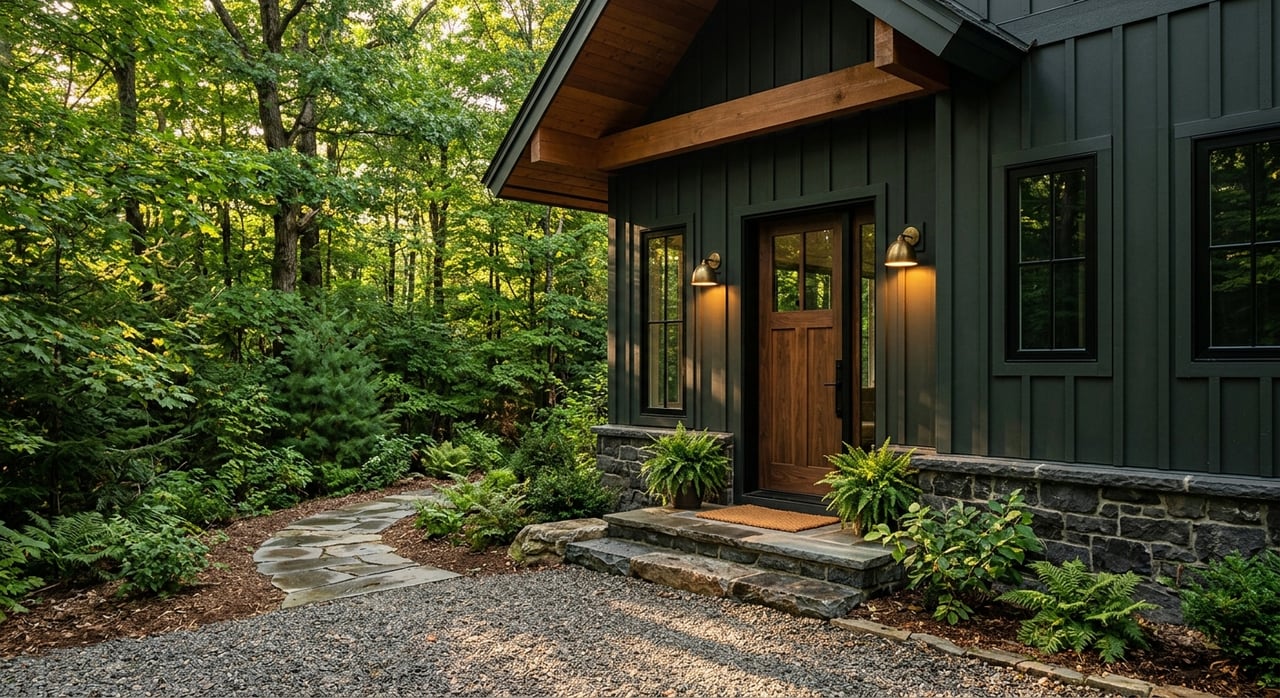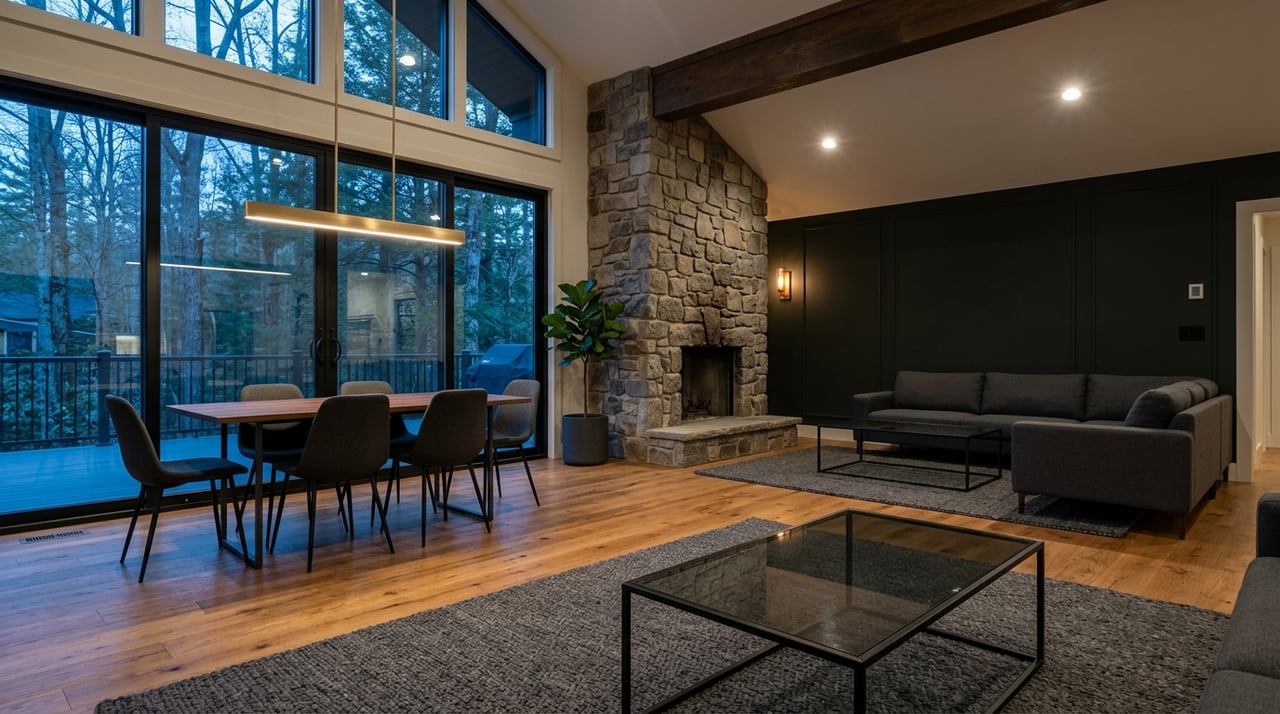
Wondering whether owning a vacation home in Pigeon Forge feels like a peaceful mountain escape, a busy tourism hub, or a little of both? The honest answer is that it can be all three, sometimes in the same day. If you are thinking about buying a second home or a property with short-term rental potential, it helps to know what daily life really looks like here. Let’s dive in.
Pigeon Forge Feels Like a Destination
Owning a vacation home in Pigeon Forge means living in a place built around visitors, entertainment, and convenience. The city reports about 6,600 full-time residents, more than 9 million visitors each year, and peak days that can top 100,000 visitors.
That scale shapes the ownership experience. Instead of feeling like a quiet mountain town tucked away from activity, Pigeon Forge often feels like you are plugged into an active destination with constant energy nearby.
The city also reports more than 100 attractions along or near the Parkway, more than 15,000 lodging units, more than 300 shopping venues, and dozens of restaurants. For you, that can mean easy access to things to do, places to eat, and everyday conveniences without driving far.
Location Changes the Experience
Near the Parkway
If your home is close to the Parkway, convenience is a major plus. You are near shopping, dining, attractions, and major visitor activity, which can make the property feel more connected to the heart of Pigeon Forge.
The tradeoff is that traffic, seasonal events, and crowds become part of normal life. In this part of town, your vacation home is not just near the destination. It is part of the destination.
In Quieter Pockets
Homes farther from the busiest corridors may feel calmer, especially during slower seasons or on weekday mornings. You may still have strong access to town amenities while enjoying a little more breathing room.
That contrast is part of what makes Pigeon Forge unique. You can have a quiet cup of coffee in the morning, then be minutes away from restaurants, shows, and shopping by afternoon.
Daily Convenience Is a Real Perk
One of the biggest lifestyle benefits of owning in Pigeon Forge is how much is clustered together. Shopping and dining are concentrated enough that errands and outings tend to feel simple rather than spread out.
The tourism office says you have access to more than 300 boutiques, outlets, and malls, along with a wide range of restaurants. The Mountain Mile & Tower Shops also adds a major retail, dining, and entertainment hub near Teaster Lane.
For owners who plan to use the home regularly, that matters. You are not only buying a place to stay. You are buying into a town where grabbing coffee, dinner, or a few essentials can be easy.
Getting Around Can Be Easier Than Expected
Trolley Access Helps Guests and Owners
Pigeon Forge Mass Transit gives the area a more connected feel than many mountain vacation markets. The trolley system serves more than 100 stops throughout Pigeon Forge and part of Sevierville, and many attractions, restaurants, and lodging options sit along trolley routes.
That can be a real advantage if you plan to host guests or if you want to park once and move around town with less hassle. It adds a practical layer of convenience that many second-home buyers do not expect in a tourism-heavy market.
Greenway Access Adds Walkability
The Riverwalk Greenway system includes more than 8.5 miles of trails. The Riverwalk segment follows the Little Pigeon River through some of the city’s most visited areas and connects places like Patriot Park, the Island area, the LeConte Center, and the Community Center.
The city describes the trail system as scenic and accessible for people using wheelchairs, mobility equipment, or strollers. That can make ownership feel a little more walkable and resort-like, especially compared with vacation markets where every outing starts with a drive.
Seasonality Shapes the Ownership Rhythm
Pigeon Forge is active for much of the year, but the pace changes with the seasons. The 2023 lodging overview shows occupancy at 63% in spring, 73% in summer, 72% in fall, and 40% in winter, with an overall annual occupancy of 64%.
For you, that often means summer and fall bring the strongest energy, busiest roads, and most social atmosphere. Spring stays active too, while winter usually softens, though it does not go fully quiet.
Winter Has Its Own Personality
Winterfest is one reason winter still feels special here. The city’s seasonal celebration includes more than 6 million lights and runs from early November through mid-February.
That gives winter ownership a very distinct feel. The town can feel festive, scenic, and memorable, while still bringing crowds and changing hours at some restaurants, shows, and attractions during the holiday season.
Traffic Is Part of the Deal
If you own a vacation home in Pigeon Forge, traffic is not an occasional surprise. It is part of the normal rhythm, especially during peak travel periods and major events.
The city notes that trolley times can vary during busy tourism days, car shows, parades, holiday weekends, and other special events. For homeowners, that means planning ahead becomes part of the lifestyle.
This does not mean the area is hard to enjoy. It just means you will want to think practically about routes, arrival times, and event calendars, especially if your property is close to the busiest visitor corridors.
Owning Here Means Knowing the Rules
City Rules for Short-Term Rentals
If you are considering renting out the home, understanding local regulations is essential. Inside Pigeon Forge city limits, short-term rentals are tightly regulated.
According to the zoning ordinance, only certain R-1 properties already being used as short-term rentals before August 13, 2018 are eligible. City permit rules also require life-safety equipment, permit disclosure in advertising, a 24/7 local contact, and that contact must be able to respond within 45 minutes.
The city also caps maximum occupancy for city short-term rentals at 12 people. If rental use is part of your plan, the property’s exact location and legal status matter from day one.
County Rules Outside City Limits
Rules are different in unincorporated Sevier County. As of January 1, 2024, the county fire marshal’s office requires a short-term rental permit.
County materials state that the annual permit fee is $250 for occupancy of 12 or less, with an additional $25 per occupant for 13 or more. The permit is valid for 12 months pending on-site inspection, and buyers are advised to confirm the legal occupancy load through the certificate of occupancy before purchase.
This city-versus-county difference is one of the biggest things second-home buyers need to understand. Two properties that feel similar on a map may come with very different operating rules.
Taxes and Operations Matter Too
If you plan to rent the property for short stays, there is an operational side you cannot ignore. Tennessee treats a short-term rental unit as a dwelling rented for fewer than 30 continuous days, and state guidance says these rentals are subject to sales tax.
The state also says vacation lodging rented for 180 days or less is subject to business tax, and local occupancy taxes may apply. In simple terms, renting out a vacation home can involve more paperwork and tracking than owning a personal-use second home.
Utilities and sanitation are also part of the day-to-day picture. Pigeon Forge operates utility and sanitation departments, and holiday collection schedule changes can affect turnover planning for homes that may sit empty at times and then switch quickly to guest use.
What Ownership Often Feels Like
At its best, owning a vacation home in Pigeon Forge feels convenient, active, and flexible. You can enjoy scenic mornings, easy access to dining and entertainment, and a town that stays relevant across multiple seasons.
At the same time, you are buying into a working tourism economy. That means traffic, event planning, local compliance, and seasonal swings are all part of the ownership experience.
For many buyers, that balance is exactly the appeal. You are not just owning a property in the Smokies. You are owning a place inside one of East Tennessee’s most established year-round destinations.
If you are thinking about buying in Pigeon Forge or the surrounding Smoky Mountain corridor, the right guidance can help you compare locations, understand short-term rental rules, and choose a property that fits how you want to use it. When you are ready to move smarter, connect with United Real Estate Solutions - Market Movers.
FAQs
Can you get around Pigeon Forge without driving everywhere?
- Yes. Pigeon Forge Mass Transit serves more than 100 stops throughout Pigeon Forge and part of Sevierville, and many attractions, restaurants, and lodging options are along trolley routes.
Is owning a vacation home in Pigeon Forge busy year-round?
- Pigeon Forge stays active much of the year, with stronger lodging occupancy in summer and fall, softer winter occupancy, and added winter activity during Winterfest.
Do short-term rental rules differ inside Pigeon Forge city limits and in Sevier County?
- Yes. Pigeon Forge city rules and unincorporated Sevier County permit requirements are different, so the exact location of a property matters before you buy.
Are there enough restaurants and shopping options for regular use in Pigeon Forge?
- Yes. The city and tourism office report extensive dining, shopping, and attraction options, including more than 300 shopping venues concentrated around key corridors.
What is one practical thing to verify before buying a Pigeon Forge area vacation home?
- If you plan to rent the property, verify whether it is inside city limits or in unincorporated Sevier County and confirm its legal occupancy and permit requirements before purchase.