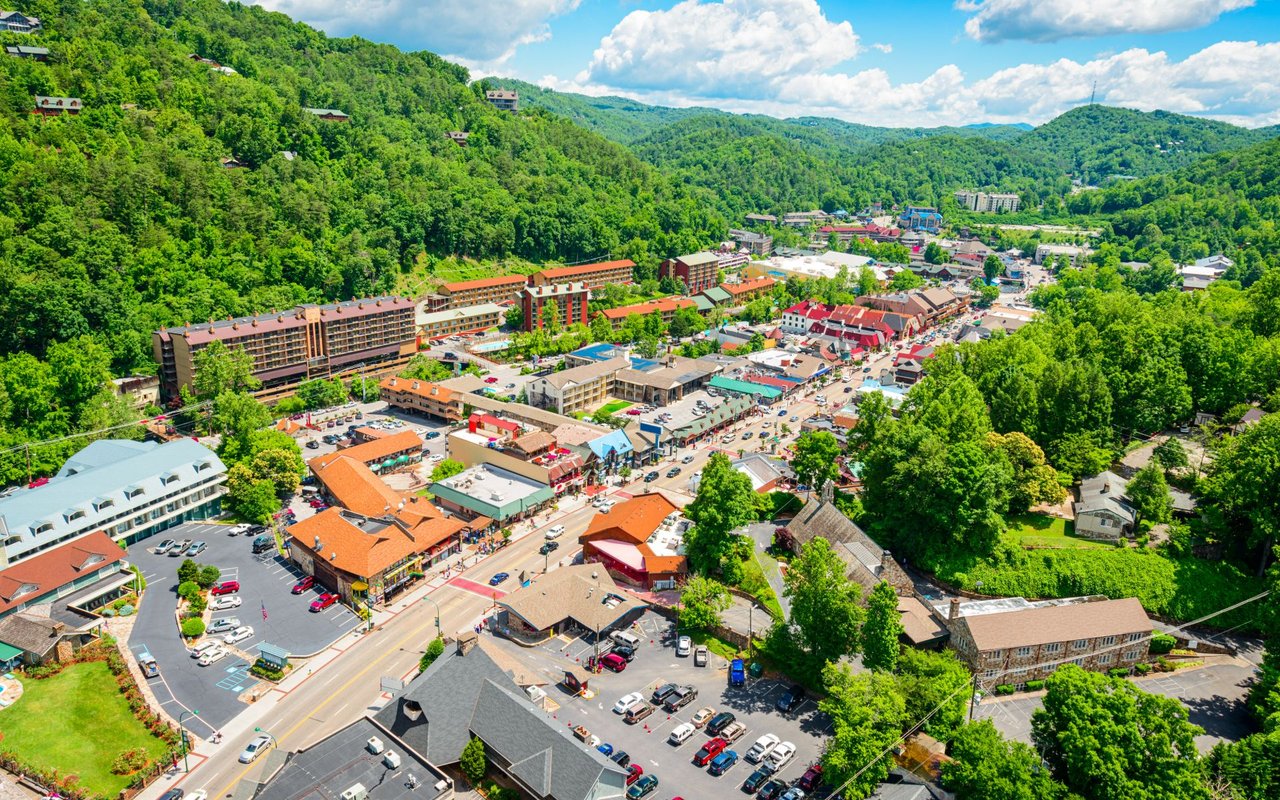
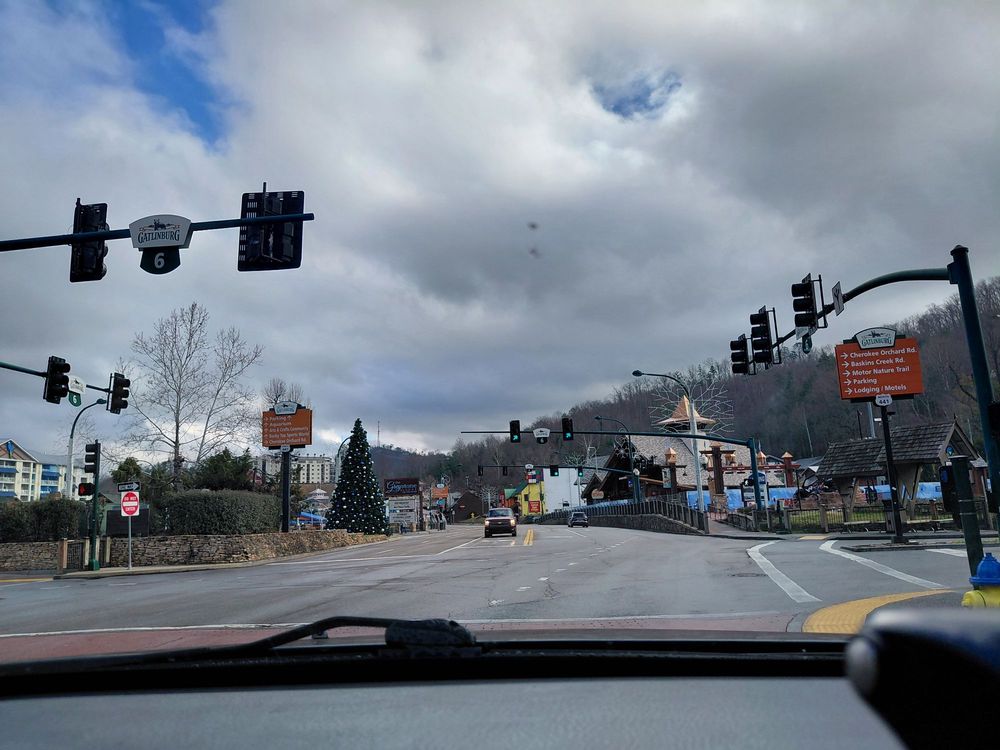
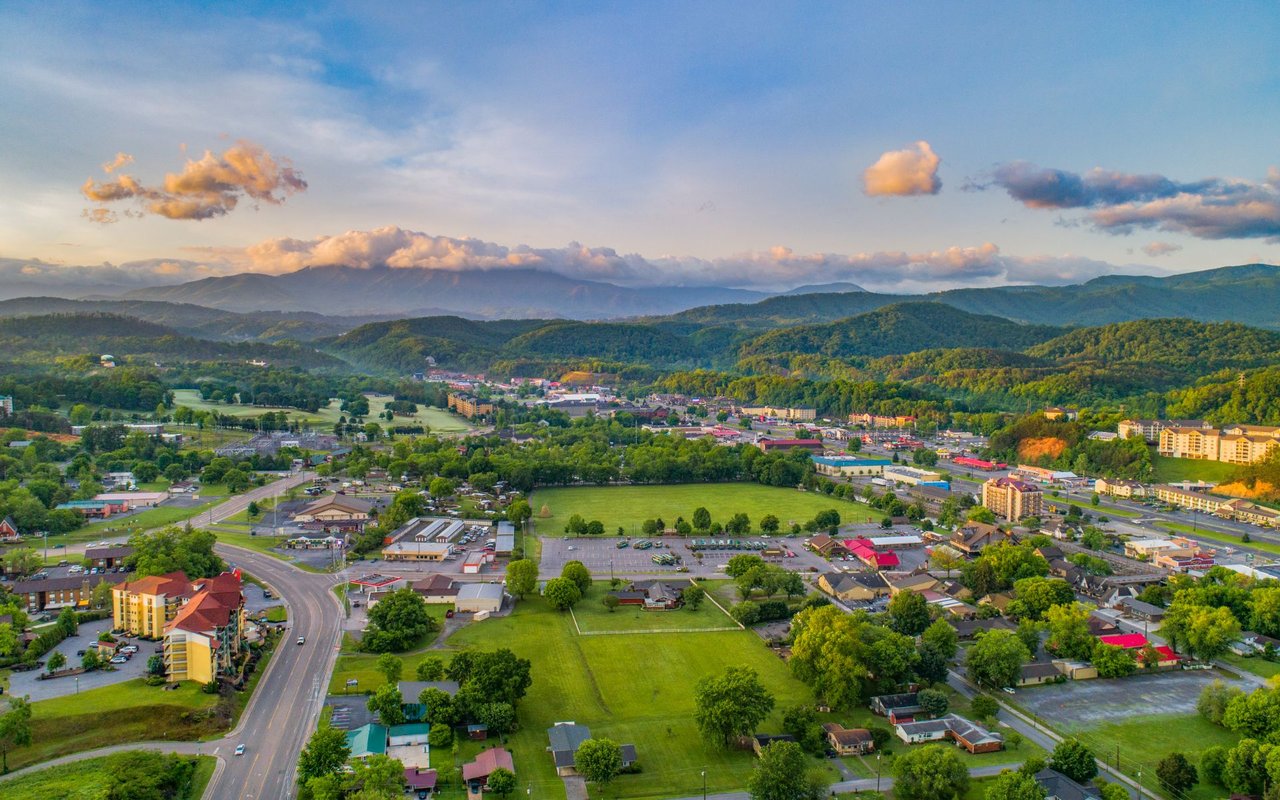
Gatlinburg real estate draws in a wide range of buyers, from families planting roots in the Smokies to investors building short-term rental portfolios in one of America's most visited mountain towns. Sitting at the entrance to Great Smoky Mountains National Park, Gatlinburg is a small city of about 4,000 permanent residents that absorbs millions of visitors each year without ever losing its mountain town identity. The result is a place where you can own a log cabin with a hot tub and a mountain view, walk to dinner downtown, and hike a world-class trail the next morning.
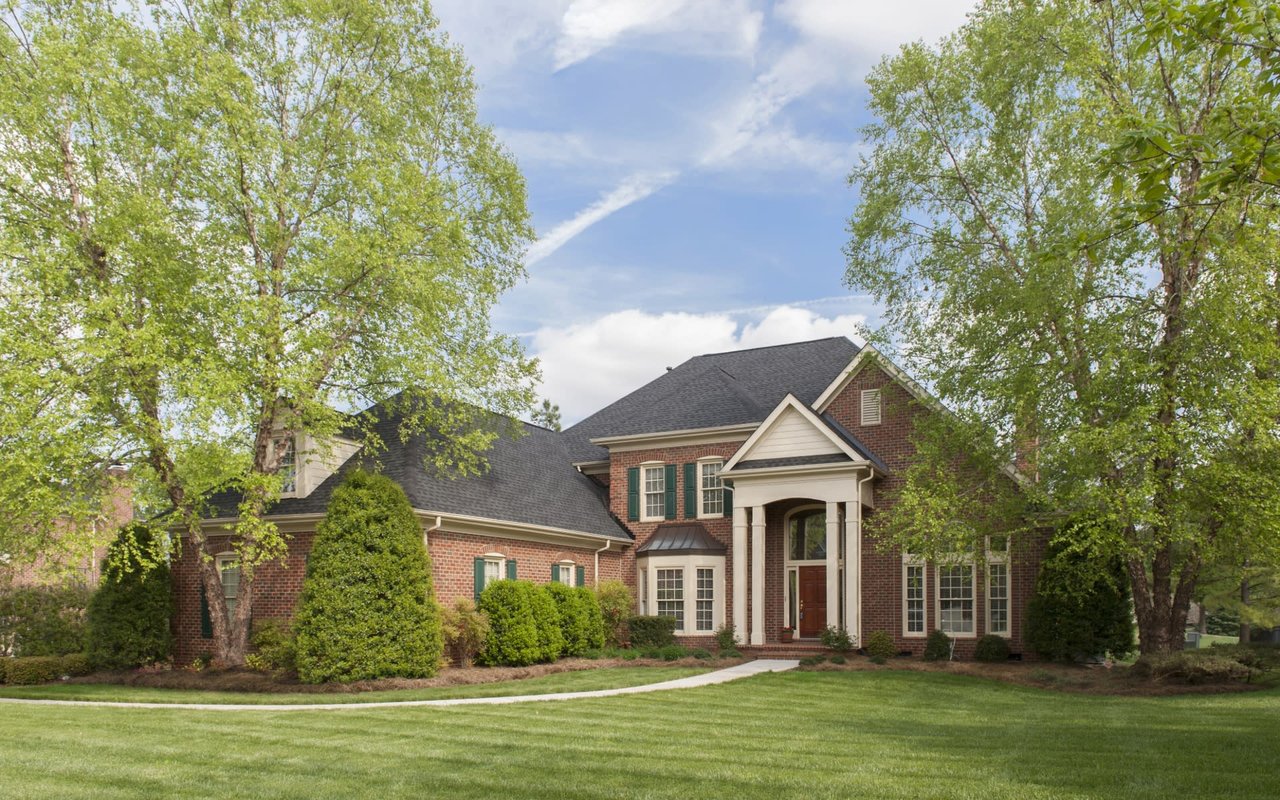
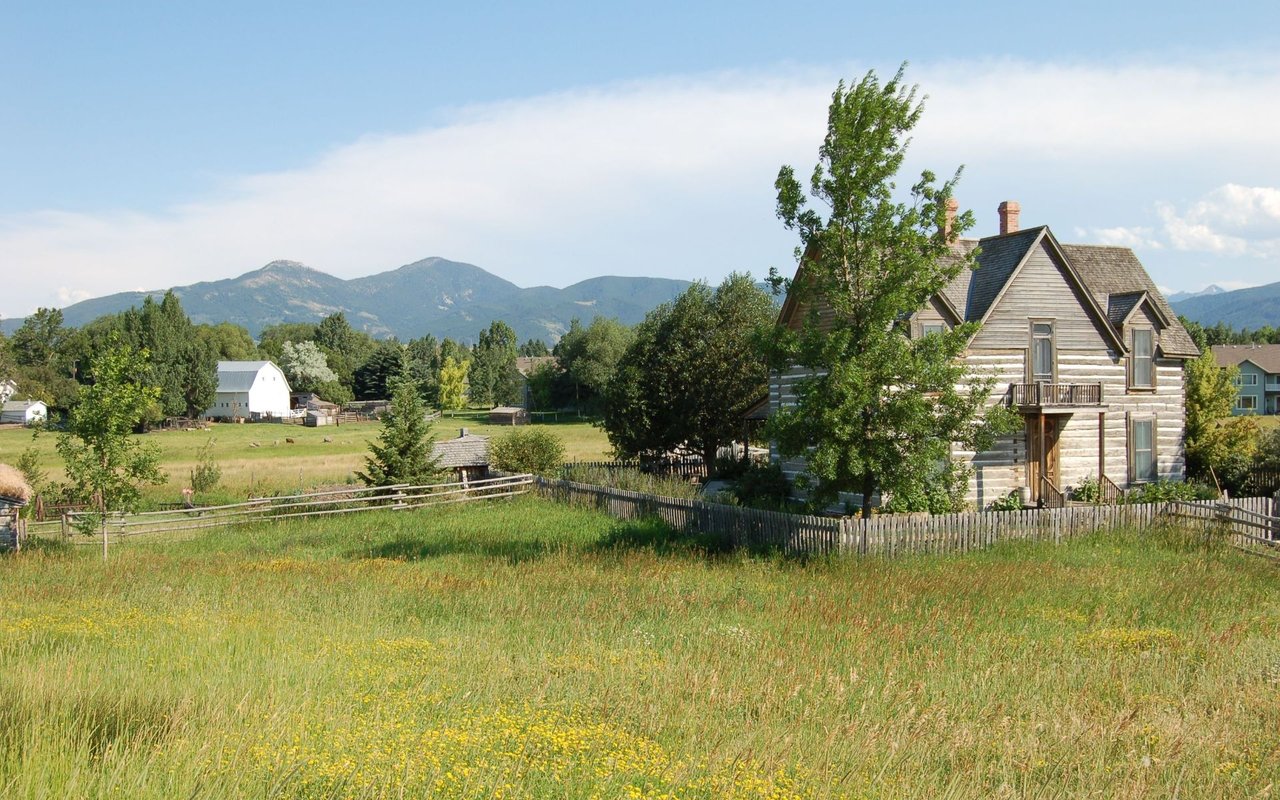
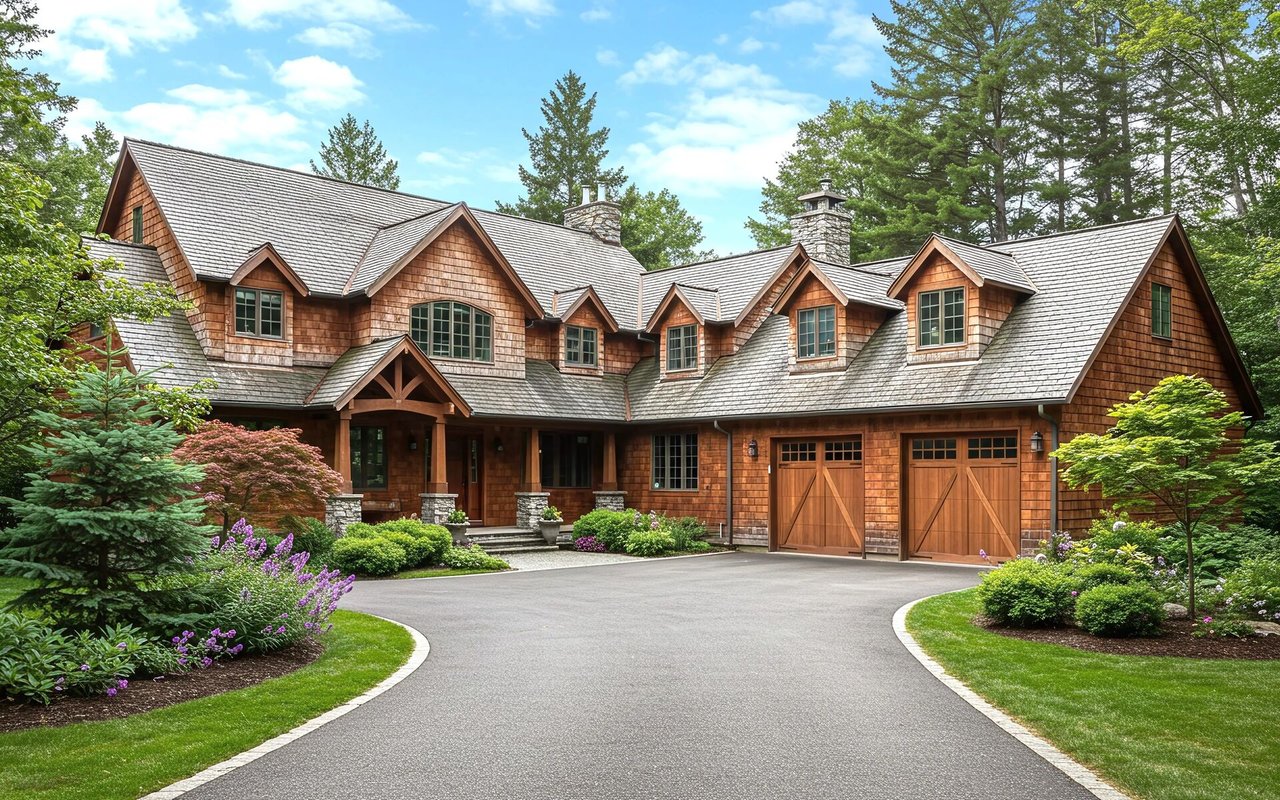
Gatlinburg's housing stock reflects its mountain setting. Log cabins, A-frames, and chalet-style homes dominate the hillsides. You'll also find wood-sided craftsman homes, some traditional ranch-style properties in flatter areas near town, and a collection of condominiums clustered downtown and along the Parkway. Lots in the hills tend to be steep and heavily wooded, offering privacy but sometimes limited vehicle access in winter. Properties in the valley floor sit on flatter ground and are generally more accessible year-round.
Chalet Village: Perched along Ski Mountain Road between 1,800 and 3,200 feet, this is one of the most recognizable neighborhoods in Gatlinburg. Homes here are mostly chalet-style, designed for mountain living, with decks, hot tubs, and views. Many fall within the City's STR-permitted zone, making them popular with investors.
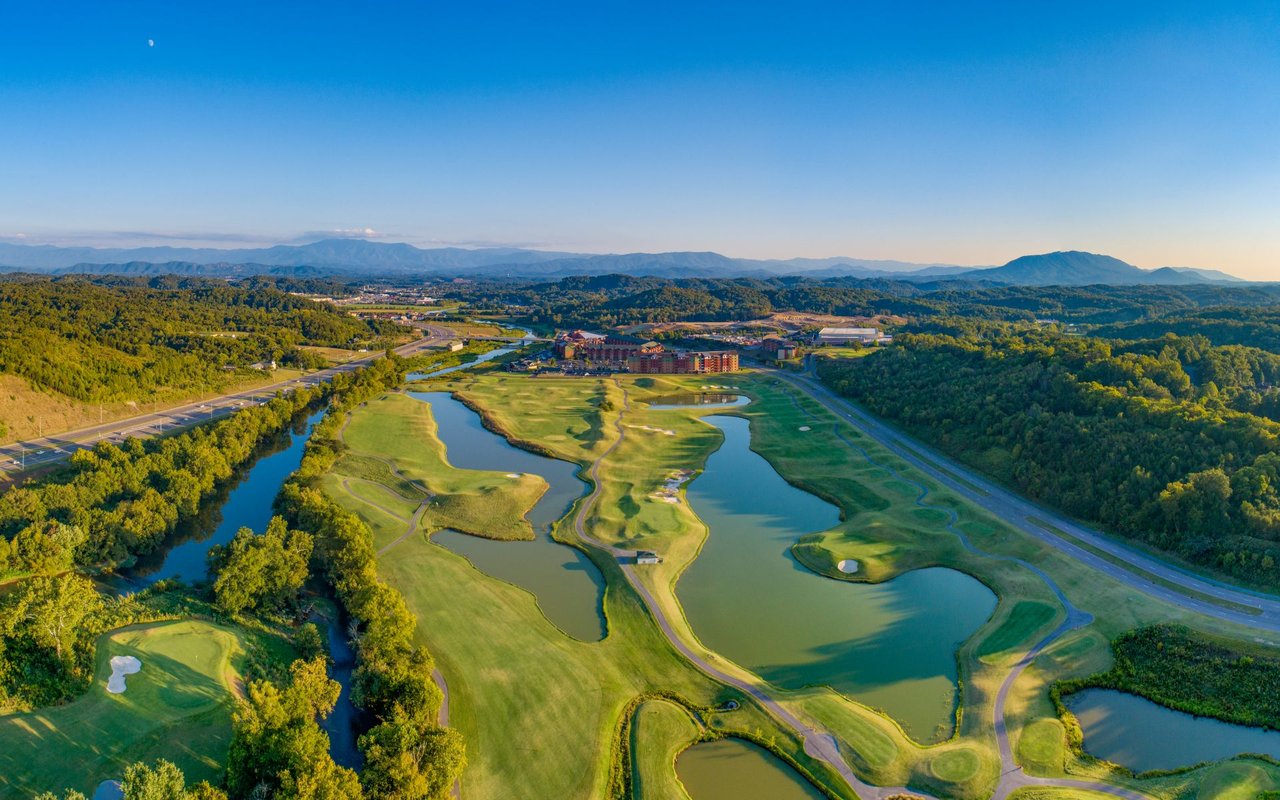
Cobbly Nob: Located about nine miles east on US-321, this area clusters luxury log homes and estates around the Bent Creek Golf Course. Elevations reach 3,400 feet, giving it a cooler climate and a more secluded feel. Properties here tend to be larger and more spread out.
Gatlinburg Summit: Sitting roughly 3,000 feet above downtown, this ridge-top area offers some of the best views in the city. It's a quieter, more residential zone where permanent residents and second-home owners coexist.
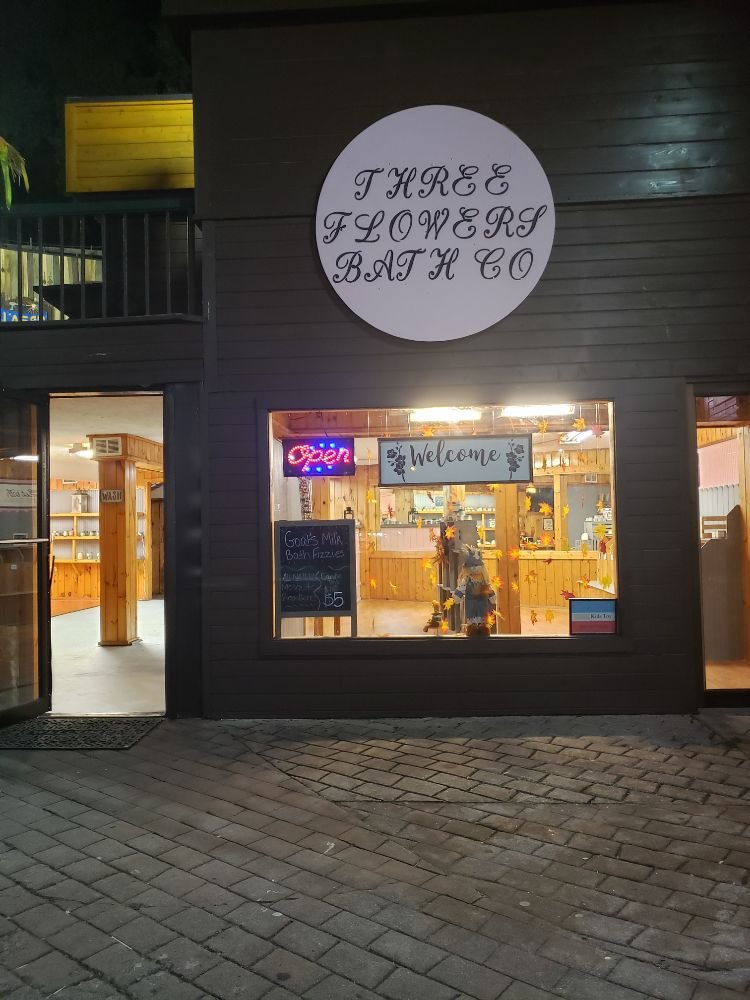
Downtown and Arts & Crafts Loop: Properties closer to the Parkway are more walkable and tend to be smaller in lot size. The Arts & Crafts Community area on Highway 321 is seeing ongoing development with residential lofts and mixed-use buildings that preserve the Appalachian aesthetic.
Local Tip: If STR income is part of your plan, confirm a property's exact zone before making an offer. City STR permits are only available in specific zones, and availability is capped. Properties already operating legally with an active permit carry real value.
Single-family detached homes make up the majority of Gatlinburg's housing, followed by condominiums and apartments. Buyers looking for lower-maintenance ownership often look at condo developments near downtown. Those who want land, privacy, and views gravitate to the hillside cabins.
Outdoor Recreation
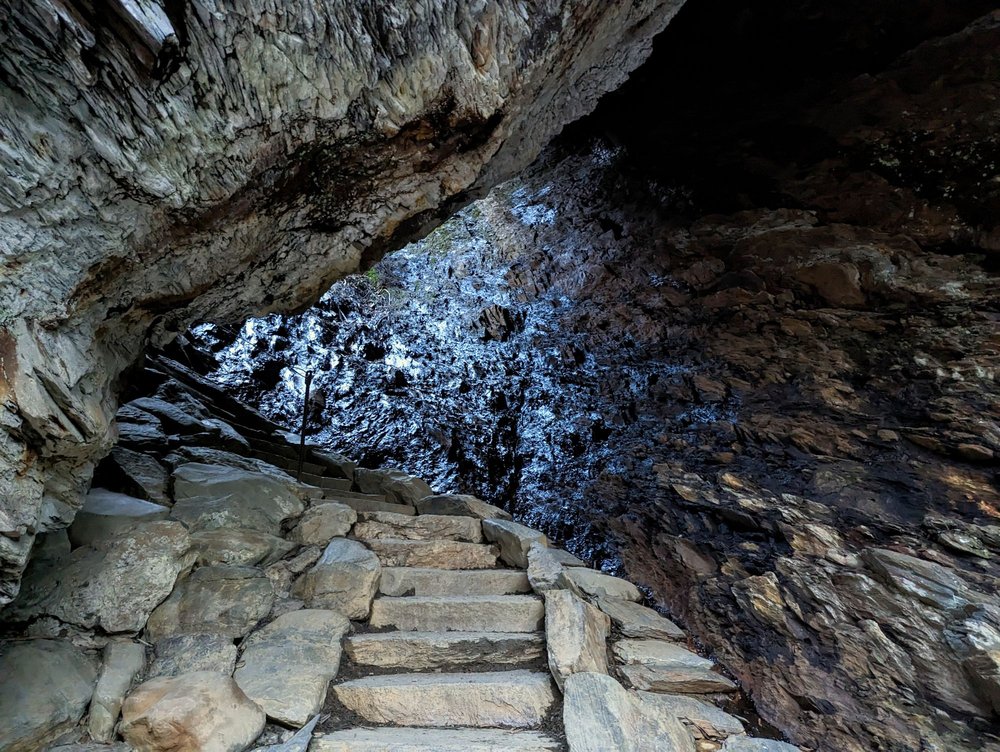
The Great Smoky Mountains National Park anchors everything. With over 800 miles of trails, residents have world-class hiking, fishing in wild trout streams, wildlife viewing (black bears are common), horseback riding, and scenic drives like Roaring Fork Motor Trail and Cades Cove available year-round. Bent Creek Golf Course serves golfers in the Cobbly Nob area. The Gatlinburg Trail and Alum Cave Trail are among the most popular hikes accessible from within city limits.
Dining and Shopping
Gatlinburg's restaurant scene punches above its size. A few standouts:
Shopping leans toward local artisans, outdoor gear, and mountain-themed retail along the Parkway. For everyday shopping, most residents head to Pigeon Forge or Sevierville, both just a short drive away.
Culture and Events
The Great Smoky Arts & Crafts Community is the cultural backbone of Gatlinburg. Founded in 1937, it's home to potters, weavers, painters, jewelers, leather workers, and woodcarvers. The community hosts classes where visitors and residents can work alongside artisans. Major annual events include the Spring Arts & Crafts Show and the Christmas Craft Show. Anakeesta, a mountaintop entertainment venue, adds ziplines, a mountain roller coaster, and seasonal events to the calendar.
Schools
Gatlinburg falls within the Sevier County School System. Pi Beta Phi Elementary School (pre-K through 8th grade) serves students in the city and has roots going back to 1912. High school students attend Gatlinburg-Pittman High School. Families seeking more school options typically look to the broader Sevier County network or private options in the Knoxville metro.
Commute and Access
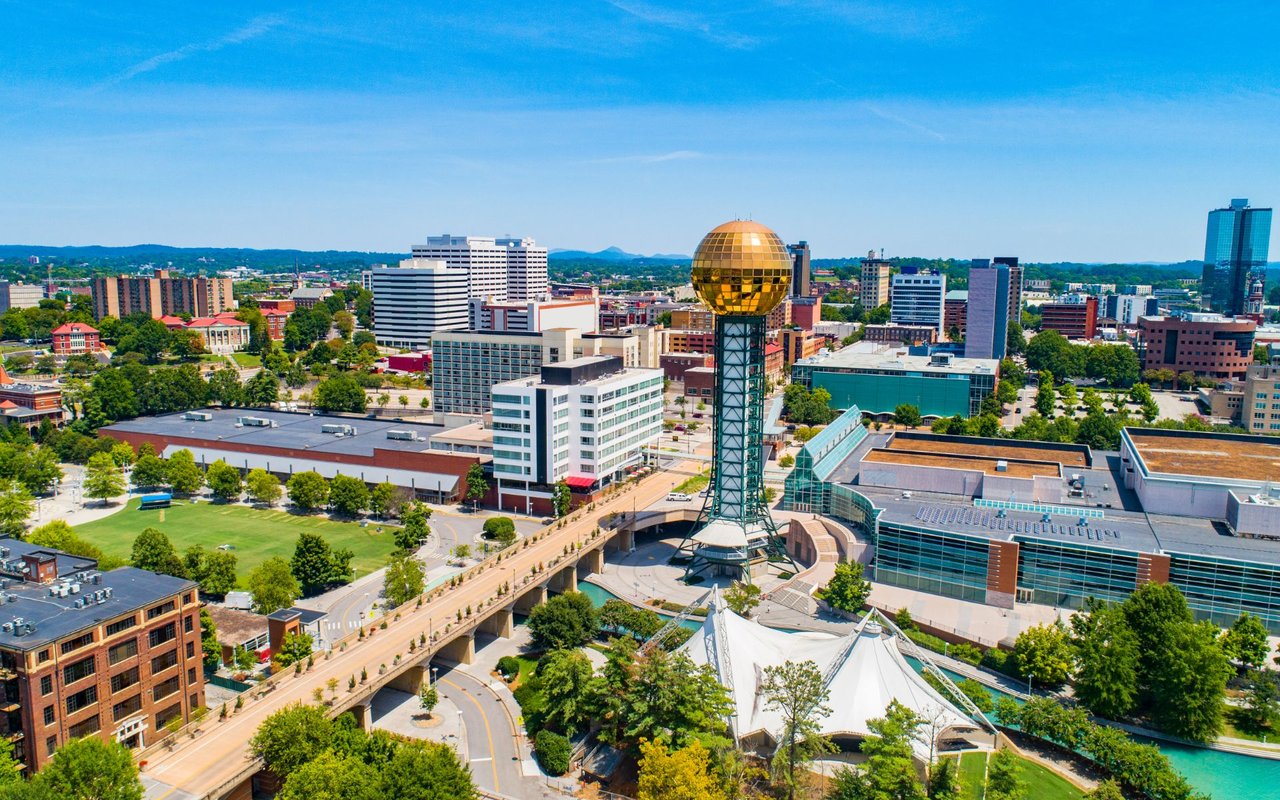
Gatlinburg sits 39 miles southeast of Knoxville via US-441. The drive is scenic but takes roughly an hour, and traffic near the Parkway can slow things down during peak tourist seasons. Pigeon Forge is just 10 minutes up the road. McGhee Tyson Airport in Knoxville is about an hour away. Gatlinburg itself doesn't have public transit to speak of, so a personal vehicle is essential.
Log cabins and chalet-style homes are the most common, especially in hillside neighborhoods like Chalet Village, Cobbly Nob, and Gatlinburg Summit. Downtown and along the Parkway, you'll find condominiums and smaller residential properties. A-frames and craftsman-style builds also appear throughout the hills. Fully furnished, turnkey cabins make up a significant share of what comes to market.
It's a tradeoff. The same foot traffic that creates rental income and keeps local businesses alive also means weekend and seasonal congestion on the Parkway. Summer and fall bring the largest crowds. Most permanent residents build their routines around peak times or settle in neighborhoods away from the main tourist strip where daily life stays calmer.
It's one of the more established short-term rental markets in the Southeast. The region draws over 10 million visitors to the national park annually, sustaining strong occupancy rates throughout the year. That said, buyers need to verify STR permitting eligibility before purchasing, as the city limits permits in specific zones, and demand for those slots is high.
Partially. The downtown area and Parkway corridor are walkable, with restaurants, shops, and attractions within easy reach on foot. Hillside neighborhoods like Chalet Village require a car for most daily errands. For groceries and everyday needs, most residents drive to Pigeon Forge or Sevierville.
Overall, Gatlinburg's cost of living runs below the national average. Tennessee has no state income tax, which helps. Everyday expenses like groceries and utilities are reasonable. Property values in desirable STR zones have climbed significantly due to investment demand, so housing costs can be higher than you might expect for a small mountain town in East Tennessee.
About 39 miles, or roughly an hour's drive via US-441. Knoxville offers the full range of services a small mountain town can't: a major airport (McGhee Tyson), large hospitals, universities, and a broad job market. A good portion of Gatlinburg's full-time residents maintain ties to Knoxville for work or services.
Gatlinburg sits directly at the park entrance and has a more contained, walkable downtown with a stronger arts and outdoor identity. Pigeon Forge, just 10 minutes away, is bigger and more commercial, known for Dollywood, outlet shopping, and large resort hotels. Many buyers who want a quieter setting with a genuine mountain feel choose Gatlinburg; those who prioritize entertainment options and more retail tend to look at Pigeon Forge.
5,269 people live in Gatlinburg, where the median age is 43.2 and the average individual income is $30,078. Data provided by the U.S. Census Bureau.
Total Population
Median Age
Population Density Population Density This is the number of people per square mile in a neighborhood.
Average individual Income
There's plenty to do around Gatlinburg, including shopping, dining, nightlife, parks, and more. Data provided by Walk Score and Yelp.
Explore popular things to do in the area, including Zi Olive, Smokin Banjo, and Olga’s Yodel Cinnamon Rolls.
| Name | Category | Distance | Reviews |
Ratings by
Yelp
|
|---|---|---|---|---|
| Dining · $$ | 3.56 miles | 11 reviews | 5/5 stars | |
| Dining | 3.6 miles | 13 reviews | 4.9/5 stars | |
| Dining | 4.82 miles | 12 reviews | 4.9/5 stars | |
| Dining · $$ | 3.79 miles | 25 reviews | 4.9/5 stars | |
| Dining | 3.78 miles | 38 reviews | 4.9/5 stars | |
| Active | 3.52 miles | 5 reviews | 5/5 stars | |
| Active | 3.2 miles | 41 reviews | 4.9/5 stars | |
| Nightlife | 3.57 miles | 16 reviews | 4.9/5 stars | |
| Beauty | 3.79 miles | 6 reviews | 5/5 stars | |
| Beauty | 3.6 miles | 5 reviews | 5/5 stars | |
|
|
||||
|
|
||||
|
|
||||
|
|
||||
|
|
||||
|
|
Gatlinburg has 1,930 households, with an average household size of 2.65. Data provided by the U.S. Census Bureau. Here’s what the people living in Gatlinburg do for work — and how long it takes them to get there. Data provided by the U.S. Census Bureau. 5,269 people call Gatlinburg home. The population density is 25 and the largest age group is Data provided by the U.S. Census Bureau.
Total Population
Population Density Population Density This is the number of people per square mile in a neighborhood.
Median Age
Men vs Women
Population by Age Group
0-9 Years
10-17 Years
18-24 Years
25-64 Years
65-74 Years
75+ Years
Education Level
Total Households
Average Household Size
Average individual Income
Households with Children
With Children:
Without Children:
Marital Status
Blue vs White Collar Workers
Blue Collar:
White Collar: