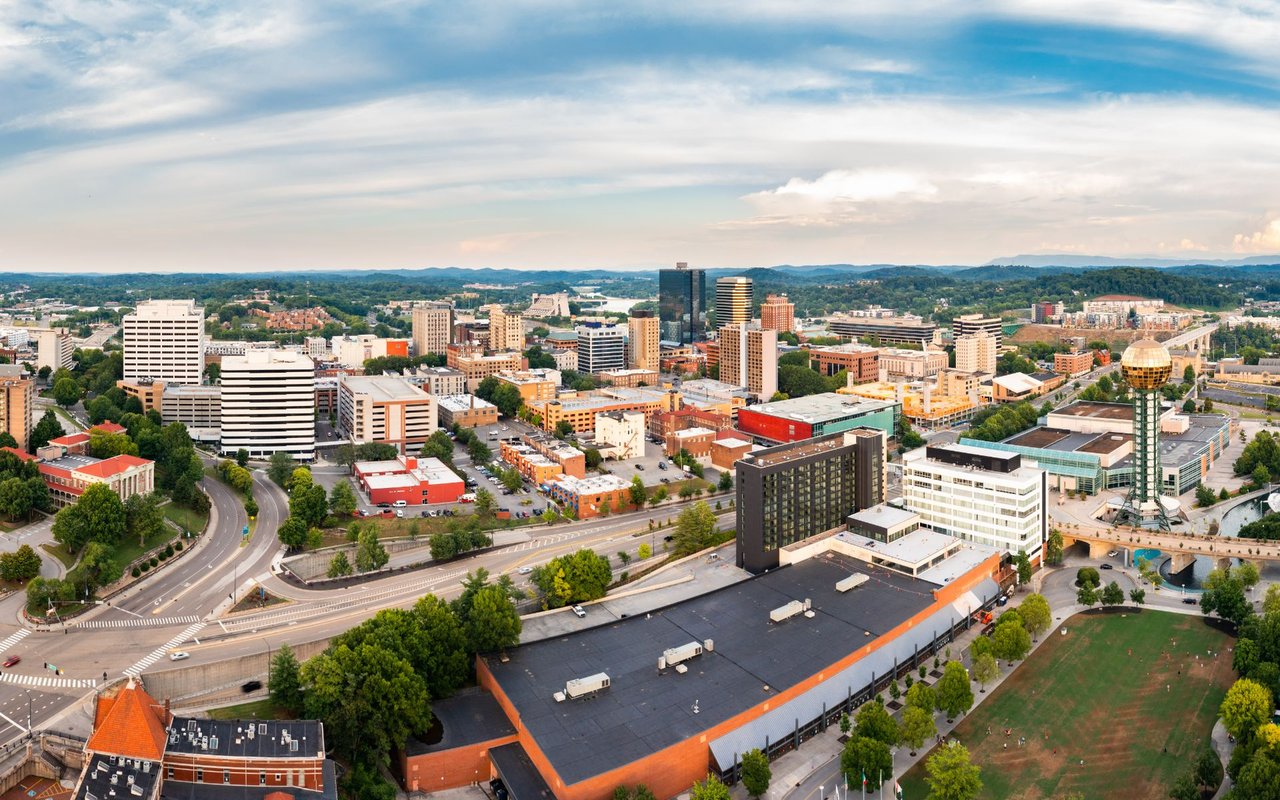
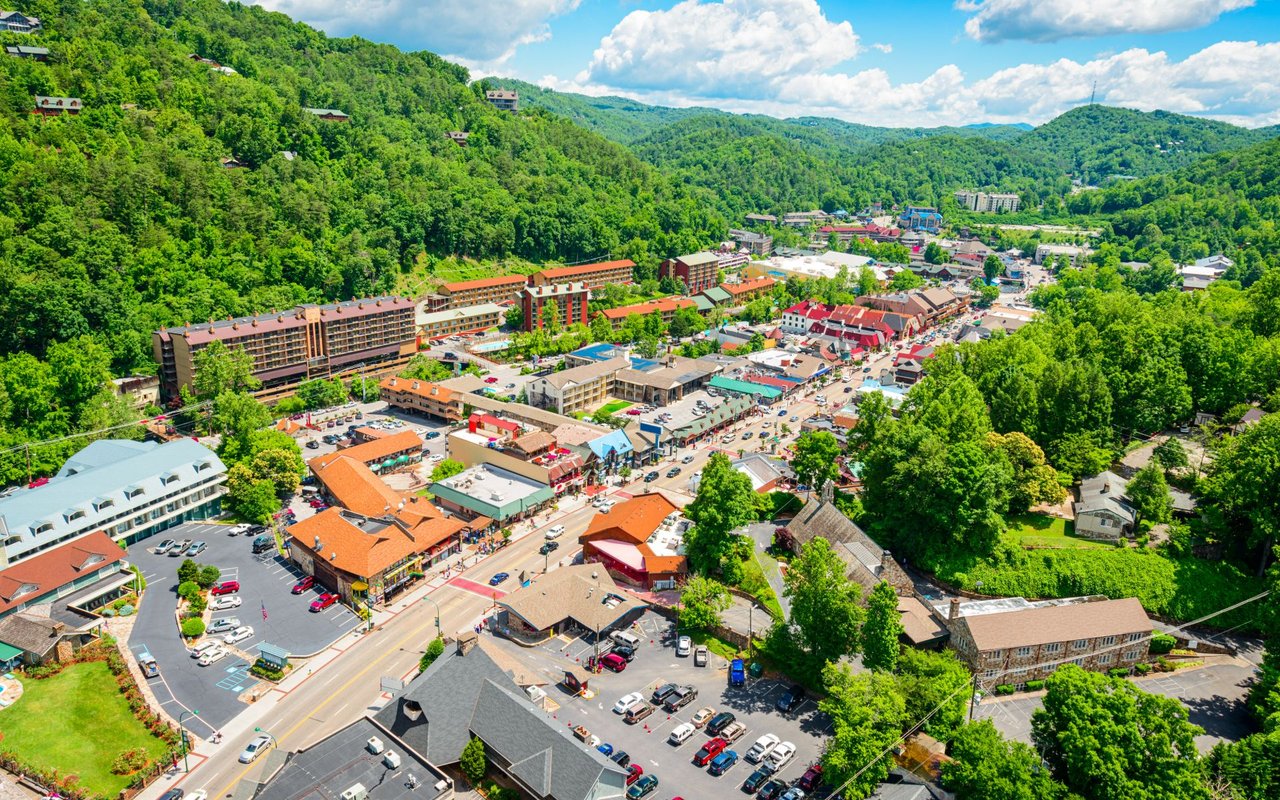
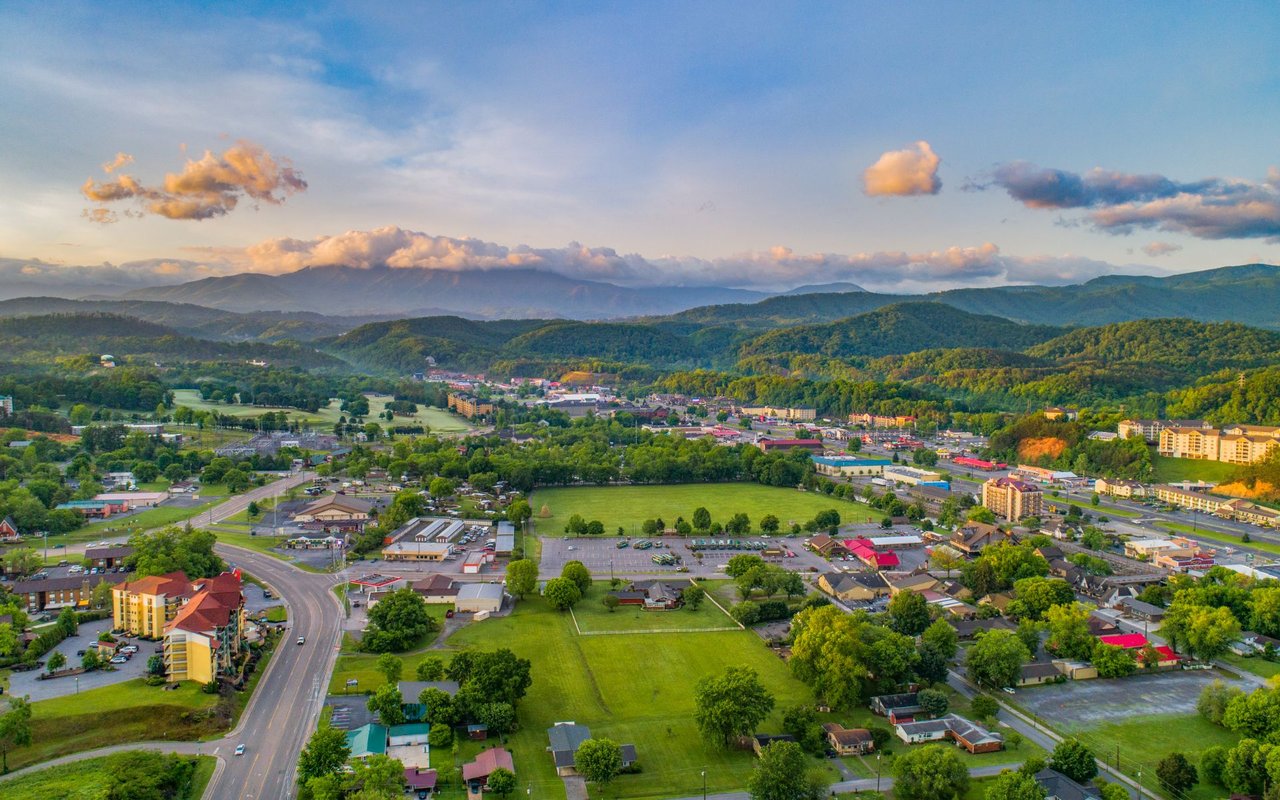
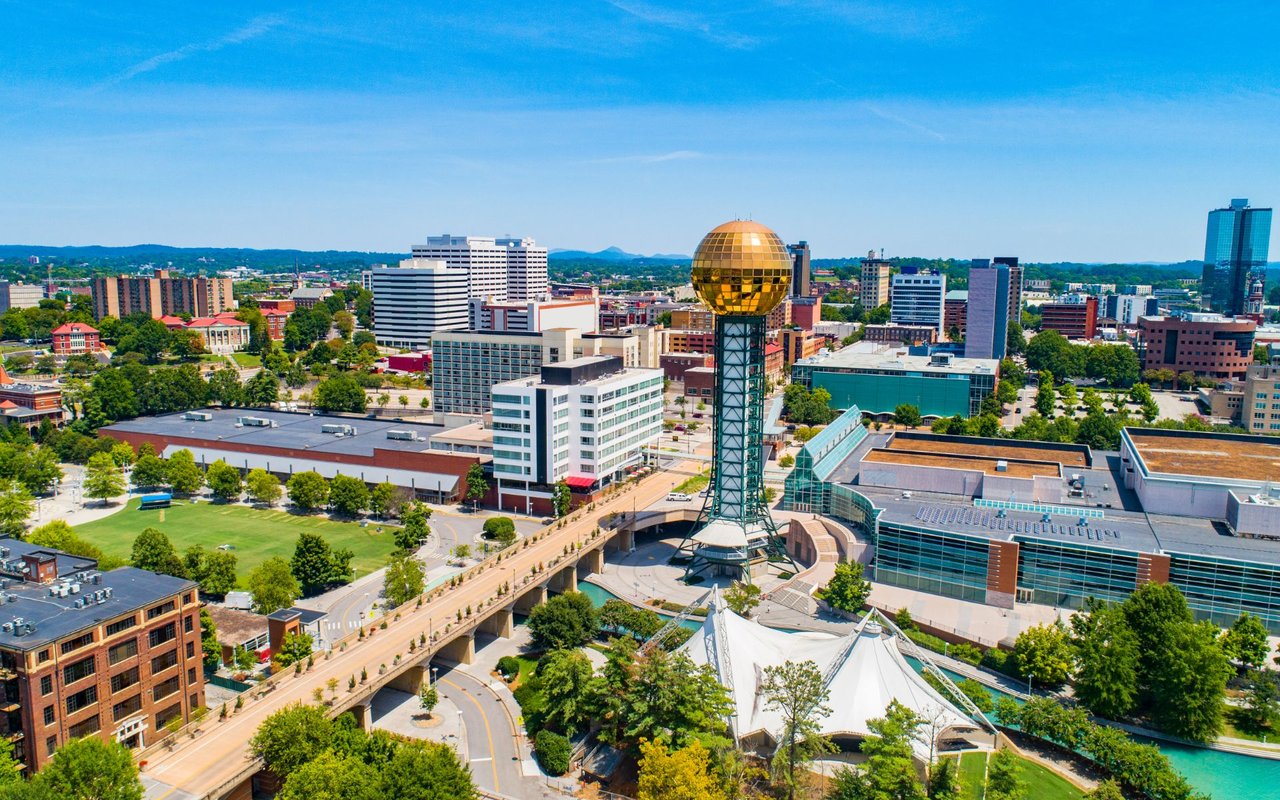
South Knoxville real estate draws buyers who want proximity to downtown without paying downtown prices, and who value outdoor access, a creative local scene, and a neighborhood still in the middle of its own comeback story. Known locally as SoKno, this section of Knoxville sits south of the Tennessee River and has a distinct identity that sets it apart from every other part of the city.
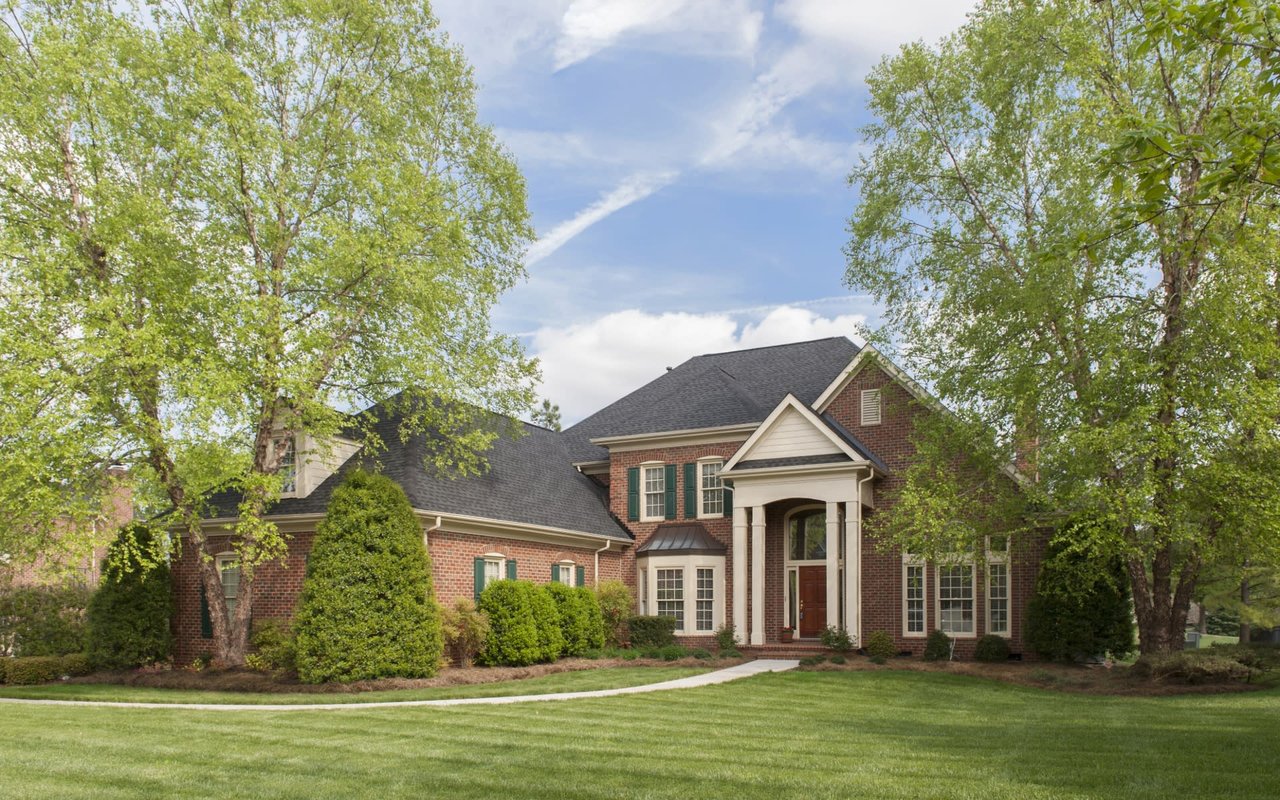
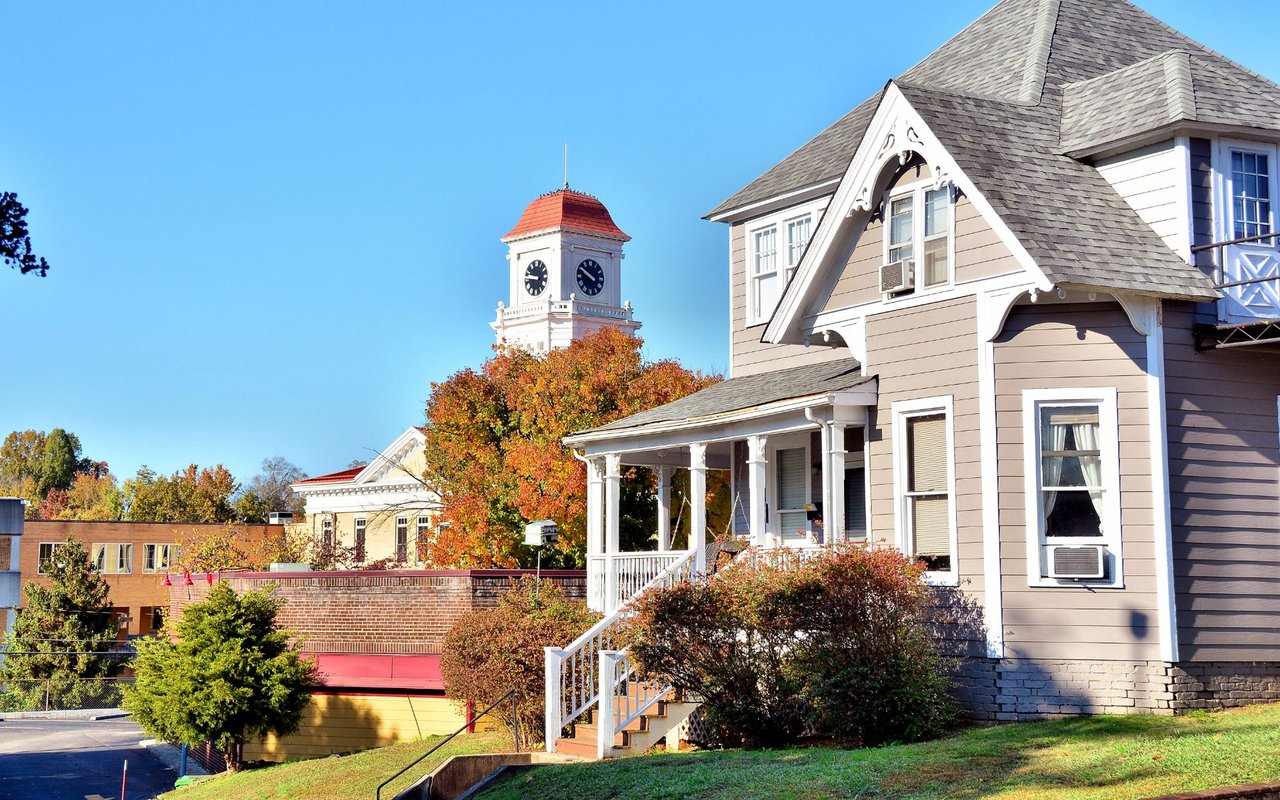
South Knoxville's housing stock reflects its working-class roots and its marble-quarry history. Most of the established residential streets are lined with homes built between the 1940s and 1960s: minimal traditional houses, Craftsman bungalows, stone Tudor Revivals, and ranch-style homes on modest lots. Older homes are well-built and frequently renovated, which makes the neighborhood appealing to buyers who want character without a full gut-renovation budget.
Island Home Park: One of SoKno's most established enclaves, with tree-lined streets, larger lots, and a neighborhood feel that's been intact for decades.
Vestal: Working-class roots, affordable entry points, and close access to the Urban Wilderness trail network.
Old Sevier / Sevier Avenue corridor: The epicenter of SoKno's revitalization, with residential and commercial uses and a walkable stretch of local businesses.
South Waterfront: A newer development zone. Mid- and high-rise condos have appeared along the riverfront, with units offering Tennessee River views and a more urban living experience.
Local Tip: The South Waterfront master plan (dubbed "Down River") is still evolving. Buyers interested in riverfront condos or future appreciation potential should watch this corridor closely.
The overall inventory skews toward smaller to mid-size single-family homes, but there are pockets of larger properties, particularly in Island Home Park and along the river. New construction is limited compared to North and West Knoxville, which means the area retains more of its original character.
Outdoor Recreation
SoKno's biggest selling point for active buyers is immediate. The Knoxville Urban Wilderness runs right through the area, with over 60 miles of multi-use trails connecting city parks, quarry sites, and waterways. Key anchors include:
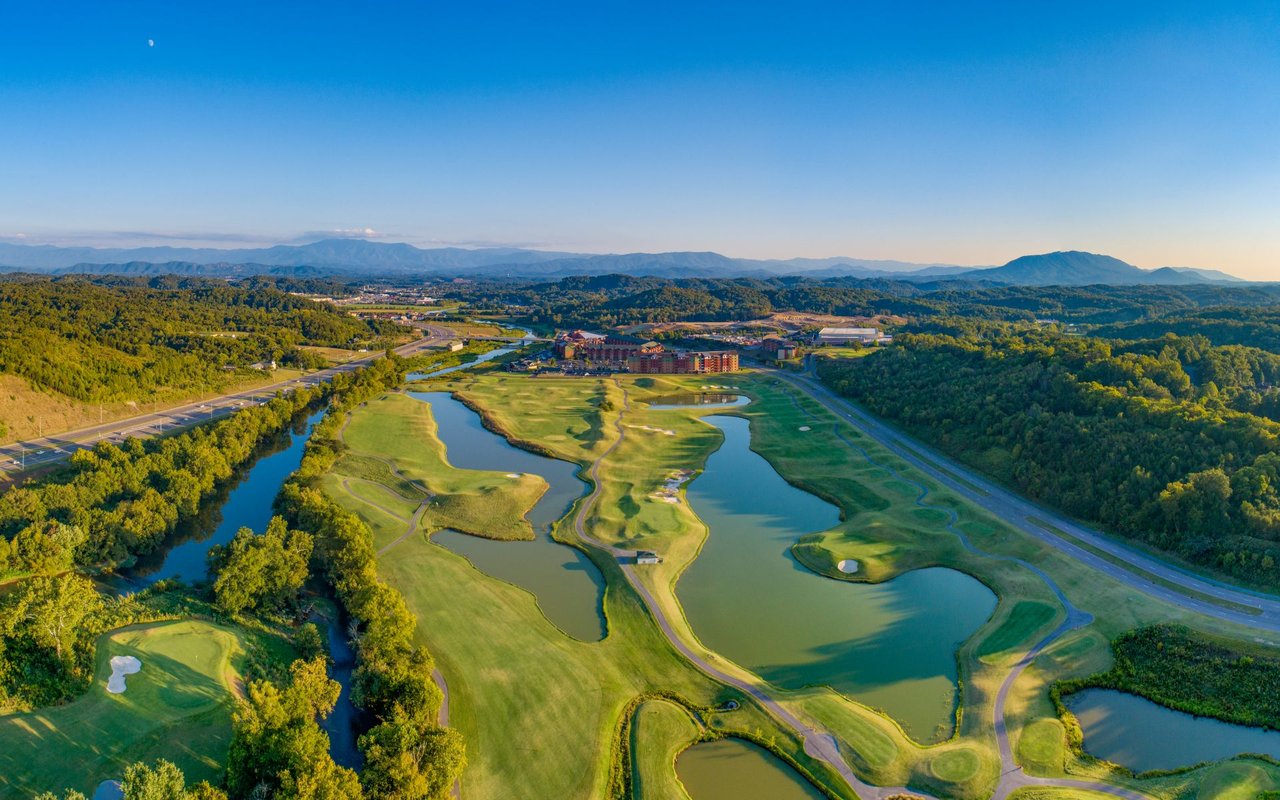
The Tennessee River itself is a recreational asset. Suttree Landing Park sits along the riverbank in SoKno and is a gathering point for kayakers, fishers, and walkers.
Dining and Drinking
The Sevier Avenue strip has become SoKno's social backbone. Standouts include:
Kern's Food Hall on Chapman Highway is the neighborhood's biggest food destination: 20-plus vendors under one roof, live music, markets, and events in the space where the original Kern's Bakery operated for decades.
Culture and Events
SoKno has a distinct creative undercurrent. The Candoro Marble Building, a historic structure tied to the area's quarrying past, now operates as a public art gallery and home to Tri-Star Arts. The neighborhood is known for street murals, particularly along Island Home. SoKno Pride is an annual event held on Sevier Avenue. Poetry nights, local markets, and business networking events round out the community calendar.
Schools
South Knoxville falls within Knox County Schools. Key public schools serving the area include South-Doyle High School, South-Doyle Middle School, and South Knox Elementary School (which hosts a Boys and Girls Club after-school program). Knox County Schools run a Community Schools initiative at several SoKno campuses, connecting families to wraparound support services beyond the classroom.
Commute and Access
Four vehicle bridges connect SoKno to the rest of Knoxville, with downtown reachable in five to ten minutes by car in normal conditions. Chapman Highway (US-441) runs directly south toward Gatlinburg and the entrance to Great Smoky Mountains National Park, putting the mountains within 45 to 60 minutes. Like most of Knoxville, SoKno is car-dependent, though the improved Gay Street Bridge has made walking and biking to downtown more viable.
The area is called SoKno, short for South Knoxville. The nickname reflects a neighborhood identity that's distinct from the rest of Knoxville: more creative, more working-class in its roots, more outdoors-focused, and currently in the middle of an active revitalization.
Downtown Knoxville is five to ten minutes by car across any of four bridges. The Gay Street Bridge now has improved pedestrian and bike infrastructure, making non-car access more practical for those who want it.
The housing stock is predominantly single-family homes built between the 1940s and 1960s: Craftsman bungalows, minimal traditional houses, stone Tudor Revivals, and ranch-style homes. Newer riverfront condos have been added along the South Waterfront corridor. Overall, SoKno leans toward smaller and mid-size homes with more character than newer Knoxville suburbs.
Very close. Chapman Highway (US-441) runs directly from SoKno south toward Gatlinburg and the main entrance to Great Smoky Mountains National Park. The drive is typically 45 to 60 minutes depending on traffic and season.
Both. The residential core (Island Home Park, Vestal, Lake Forest) is well-established and has been for decades. The commercial corridor along Sevier Avenue is actively revitalizing, with new breweries, restaurants, and infrastructure projects still underway. Buyers are getting in while that transformation is still happening.
The Urban Wilderness network offers over 60 miles of trails for hiking, mountain biking, and trail running, all accessible from SoKno. Ijams Nature Center provides paddling, climbing, and wildlife exploration. Fort Dickerson has a quarry lake for swimming and kayaking. The Tennessee River runs along the neighborhood's northern edge with greenways and parks along the bank.
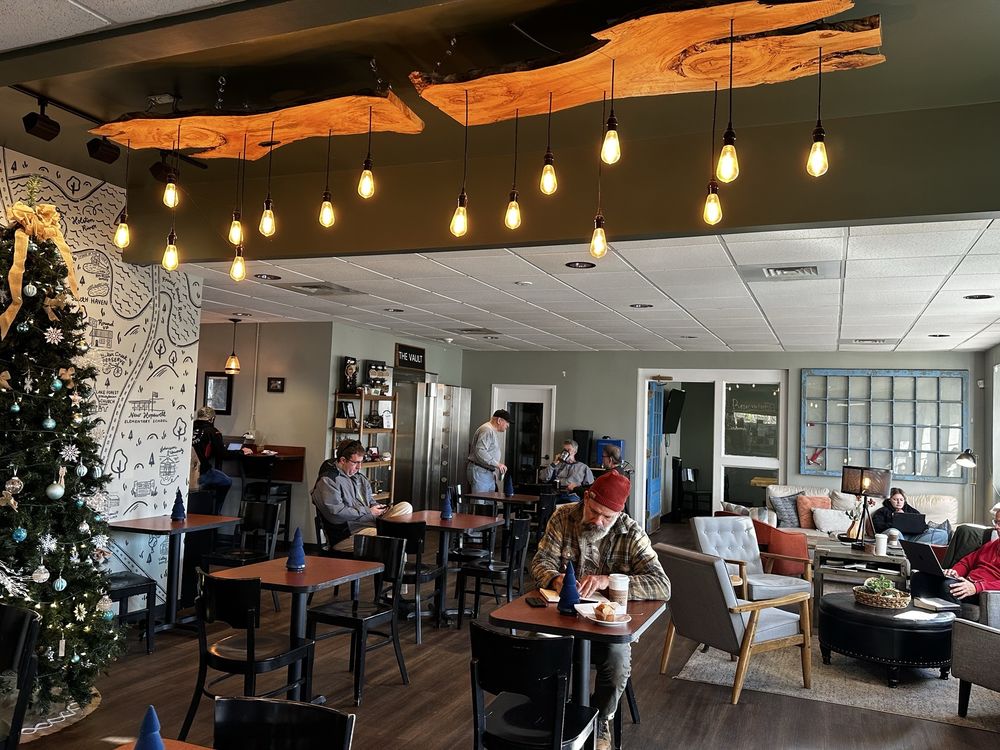
Yes, and it's growing. Sevier Avenue has developed an arts and nightlife corridor with breweries, a coffee shop with rotating art, and the Candoro Marble Building serving as an active gallery. Street murals are already a visible part of the neighborhood's identity, and public art installations continue to expand through the business district.
43,509 people live in South Knoxville, where the median age is 35.5 and the average individual income is $34,632. Data provided by the U.S. Census Bureau.
Total Population
Median Age
Population Density Population Density This is the number of people per square mile in a neighborhood.
Average individual Income
There's plenty to do around South Knoxville, including shopping, dining, nightlife, parks, and more. Data provided by Walk Score and Yelp.
Explore popular things to do in the area, including CommonPlace, Angry Dumplings Tea, and La Michoacana Movil.
| Name | Category | Distance | Reviews |
Ratings by
Yelp
|
|---|---|---|---|---|
| Dining | 1.36 miles | 31 reviews | 4.9/5 stars | |
| Dining · $$ | 4.22 miles | 164 reviews | 4.8/5 stars | |
| Dining | 4.05 miles | 4 reviews | 5/5 stars | |
| Active | 0.49 miles | 8 reviews | 5/5 stars | |
| Active | 4.62 miles | 6 reviews | 5/5 stars | |
| Active | 4.18 miles | 7 reviews | 5/5 stars | |
|
|
||||
|
|
||||
|
|
||||
|
|
||||
|
|
||||
|
|
South Knoxville has 18,018 households, with an average household size of 2.37. Data provided by the U.S. Census Bureau. Here’s what the people living in South Knoxville do for work — and how long it takes them to get there. Data provided by the U.S. Census Bureau. 43,509 people call South Knoxville home. The population density is 602 and the largest age group is Data provided by the U.S. Census Bureau.
Total Population
Population Density Population Density This is the number of people per square mile in a neighborhood.
Median Age
Men vs Women
Population by Age Group
0-9 Years
10-17 Years
18-24 Years
25-64 Years
65-74 Years
75+ Years
Education Level
Total Households
Average Household Size
Average individual Income
Households with Children
With Children:
Without Children:
Marital Status
Blue vs White Collar Workers
Blue Collar:
White Collar: