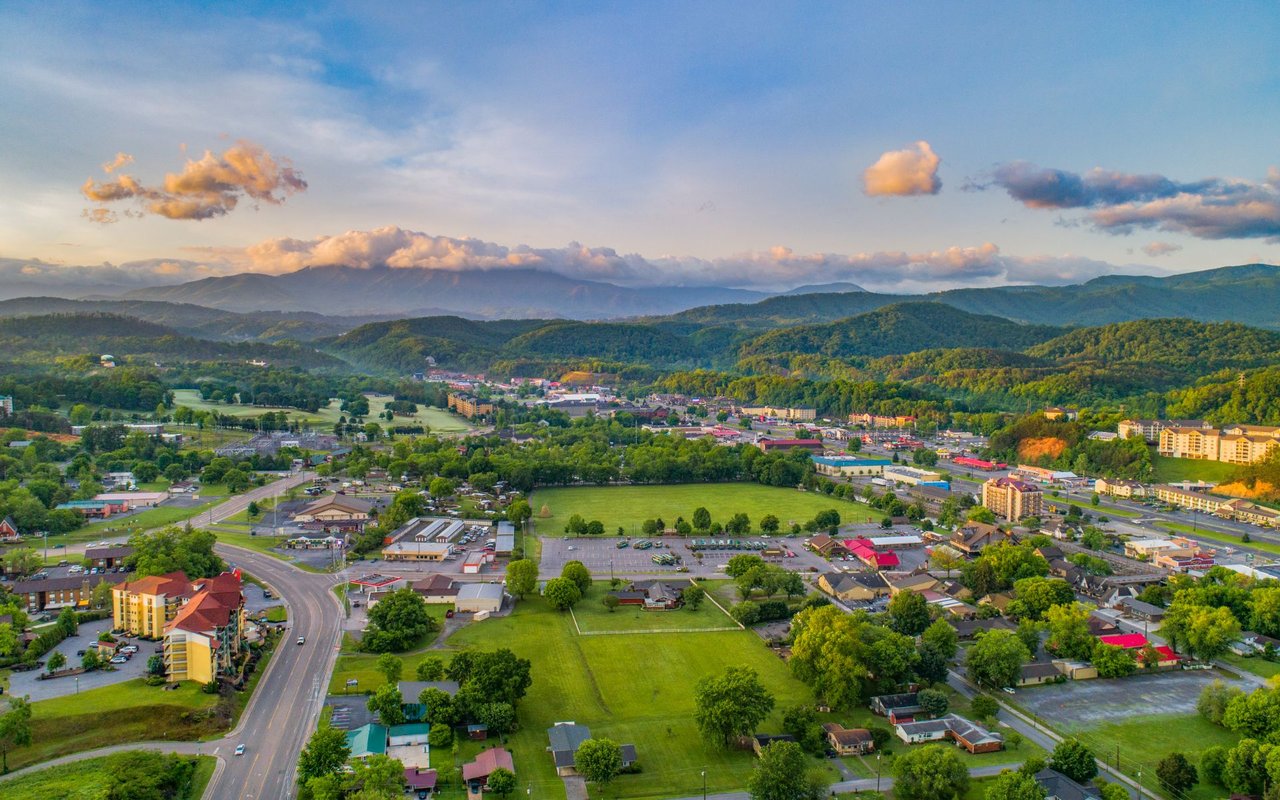
Pigeon Forge real estate attracts a wide range of buyers: families looking for a mountain town with strong community roots, retirees drawn to mild four-season weather and outdoor access, and investors chasing the short-term rental income that comes with one of the most-visited tourism corridors in the Southeast. Situated at the northern edge of Great Smoky Mountains National Park in Sevier County, Pigeon Forge is a small city of roughly 6,000 full-time residents that hosts millions of visitors each year. That tension between quiet mountain living and a buzzing tourist economy shapes everything about what it means to own property here.
Housing in Pigeon Forge runs the full spectrum from mountain cabin communities designed around short-term rentals to conventional single-family neighborhoods where locals have lived for generations. Single-family detached homes make up the majority of the housing stock, but cabins, condos, and resort-style properties are a substantial presence throughout the city.
The Parkway Corridor: Properties closest to the main strip skew toward commercial and mixed-use, but the side roads off the Parkway carry residential options including older ranch-style homes and updated cottages. Proximity to attractions is the selling point here, and many of these properties have operated as vacation rentals.
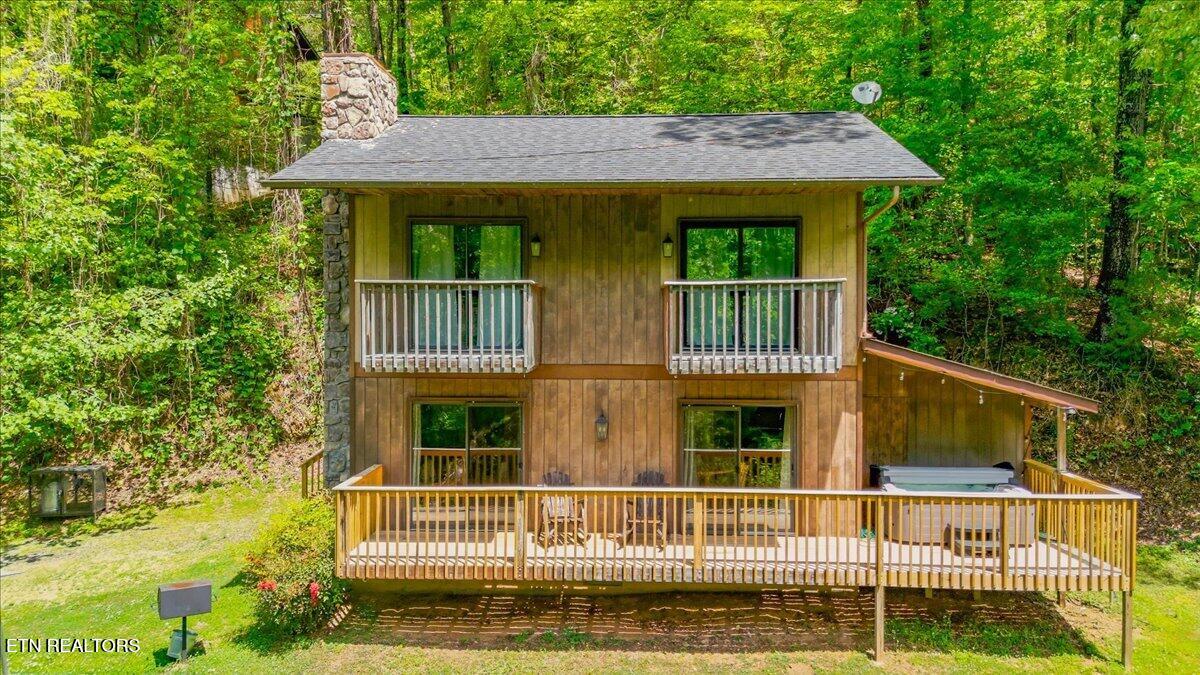
Eagles Ridge and Eagles Ridge North: One of the more established cabin resort communities in the area. Log and timber-frame cabins here sit on wooded hillside lots with mountain views. The community is popular with both vacation rental investors and buyers who want a cabin as a primary residence.
Alpine Mountain Village and Covered Bridge Resort: These resort subdivisions offer cabin and chalet-style homes with amenity packages like pools and gathering spaces. They attract buyers looking for turnkey properties with an existing rental history.
Riverstone and River Point: For buyers who want water access, these communities place homes along or near the Little Pigeon River. Riverstone is an upscale resort-style development with spa amenities within walking distance of the Parkway.
Wears Valley and Waldens Creek (surrounding corridors): Technically outside the city limits but closely associated with the Pigeon Forge market, these areas offer more rural settings with larger lots, fewer tourists, and a quieter daily environment. They appeal to buyers who want Smoky Mountain living without the commercial density of the main strip.
Local Tip: If you're buying for short-term rental income, pay close attention to which resort subdivisions allow nightly rentals and what HOA rules look like. Some communities have restrictions that can significantly affect your rental strategy.
New construction is active in and around Pigeon Forge, with cabin communities and residential developments adding inventory to keep pace with growing demand. Lot sizes vary widely: in resort communities, lots are often modest to keep the community footprint tight, while properties off the beaten path can sit on several wooded acres.
Outdoor Recreation
The outdoors is the main draw for many residents. Great Smoky Mountains National Park, right at the city's doorstep, offers:
Beyond the park, the surrounding Sevier County terrain supports zip-lining, ATV riding, and scenic drives through Wears Valley and Cades Cove.
Dining and Entertainment
Pigeon Forge has earned its reputation as the dinner show capital of the South. The Hatfield & McCoy Dinner Feud, Dolly Parton's Stampede, and a rotating lineup of themed entertainment venues give the area a quality-of-life bump that smaller mountain towns simply don't have. Day-to-day dining runs from Southern staples at pancake houses and barbecue joints to craft breweries and international options that have expanded the food scene in recent years. The Island in Pigeon Forge anchors a stretch of shopping and dining with waterfront seating, an observation wheel, and live music.
Culture and Events
Dollywood is the cultural heart of the city. Opened in 1986 by Dolly Parton as a tribute to Appalachian heritage, it operates from mid-March through the Christmas season and runs five major festivals annually. The park employs approximately 4,000 people, making it the largest employer in the community. Beyond Dollywood, the city hosts car shows, craft fairs, and holiday light events that keep the calendar full throughout the year.
Schools
Pigeon Forge falls within the Sevier County school system. Local schools include Pigeon Forge Intermediate and Pigeon Forge Junior High, feeding into Pigeon Forge High School. The high school posts above-average proficiency rates in several subjects and a strong graduation rate. Families considering private options or specialized programs will find additional choices in the broader Knoxville metro area, about 35 miles to the northwest.
Commute and Access
US-441 (the Parkway) is the main artery through town and connects directly to Gatlinburg to the south and Sevierville to the north. From Sevierville, Interstate 40 provides access to Knoxville in roughly 35-45 minutes. Gatlinburg is about 10 minutes south. McGhee Tyson Airport in Knoxville is the closest commercial airport, typically under an hour away. Most residents drive; public transit options are limited, though a free trolley system operates seasonally along the Parkway corridor.
The market spans single-family homes, log and timber-frame cabins, resort-style condos, and chalet properties. Cabin communities designed around short-term rentals make up a significant share of the inventory. You'll also find conventional ranches and updated cottages in more residential pockets away from the tourist corridor.
Daily commutes within Sevier County are manageable, with Sevierville just 10-15 minutes north and Gatlinburg 10 minutes south. Knoxville is approximately 35-45 minutes away via I-40, making it realistic for remote workers or those commuting a few days a week. Traffic on the Parkway can slow considerably during peak tourist seasons and holidays.
It depends on where you live and how you look at it. The tourist industry funds local infrastructure and creates employment, but peak seasons bring heavy traffic on the Parkway and higher prices at local restaurants and shops. Residents who live a few miles off the main strip often report minimal disruption to their daily routines.
Short-term rental demand in the Smoky Mountains region is consistently strong due to year-round tourism. Buyers who purchase in the right communities and price their rentals well tend to see solid occupancy rates. That said, the investment calculus depends heavily on which community you buy in, HOA rules, and how hands-on you plan to be with management.
Overall cost of living in Pigeon Forge runs below national averages, helped in part by Tennessee's lack of a state income tax and relatively affordable property taxes. Groceries and everyday expenses are reasonable. The caveat is that home prices in popular cabin communities have climbed meaningfully as investor demand has increased, so entry points vary a lot depending on property type and location.
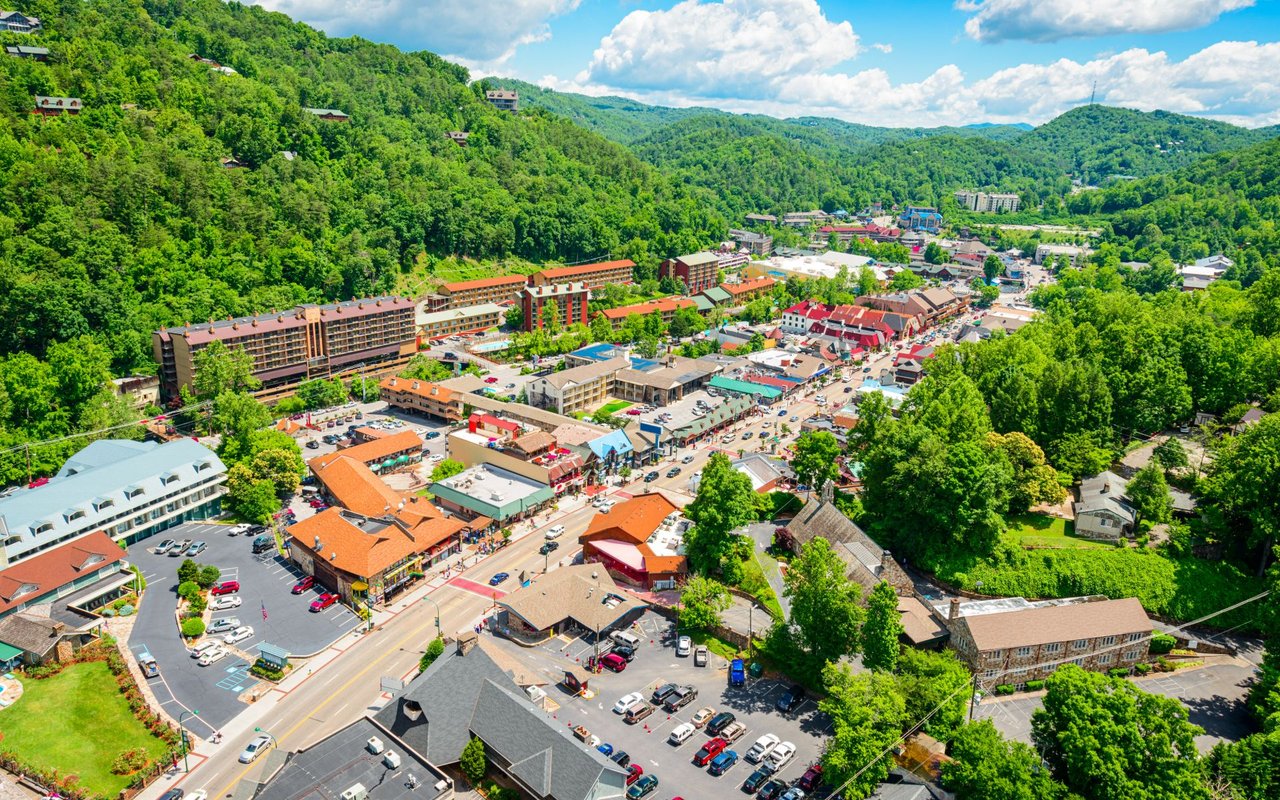
Yes, Gatlinburg sits about 5 miles south on the Parkway, roughly a 10-minute drive under normal conditions. The two cities are distinct in character, with Gatlinburg being smaller and more pedestrian-focused, but they share the same mountain setting, tourism economy, and access to the national park. Many buyers compare both markets before deciding.
This is one of the more important due diligence items in the Pigeon Forge market. Resort communities often have HOA fees that cover amenities and road maintenance, but rules around short-term rentals, occupancy, and exterior modifications vary widely. If rental income is part of your plan, verify the community's STR policies before making an offer.
6,469 people live in Pigeon Forge, where the median age is 36.5 and the average individual income is $24,671. Data provided by the U.S. Census Bureau.
Total Population
Median Age
Population Density Population Density This is the number of people per square mile in a neighborhood.
Average individual Income
There's plenty to do around Pigeon Forge, including shopping, dining, nightlife, parks, and more. Data provided by Walk Score and Yelp.
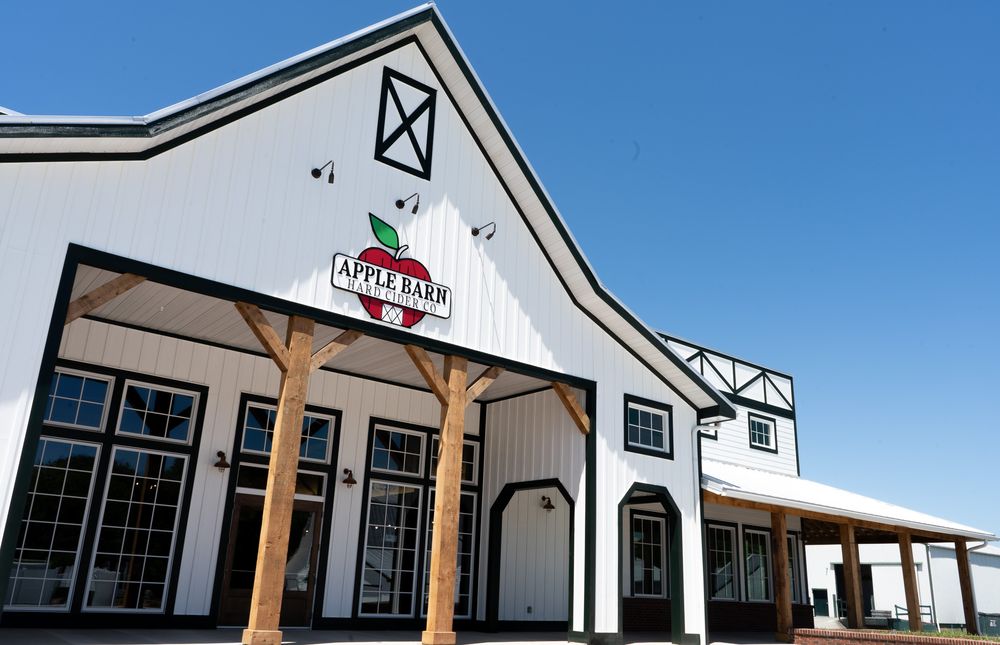
Explore popular things to do in the area, including Rocky Top Wine Trail, Talitas Restaurant, and Apple Barn Hard Cider.
| Name | Category | Distance | Reviews |
Ratings by
Yelp
|
|---|---|---|---|---|
| Dining | 2.36 miles | 7 reviews | 5/5 stars | |
| Dining | 1.23 miles | 19 reviews | 4.9/5 stars | |
| Dining | 2.92 miles | 26 reviews | 4.9/5 stars | |
| Dining | 2.57 miles | 72 reviews | 4.8/5 stars | |
| Dining | 4.03 miles | 5 reviews | 4.8/5 stars | |
| Shopping | 0.56 miles | 17 reviews | 4.9/5 stars | |
| Active | 1.98 miles | 15 reviews | 4.9/5 stars | |
| Active | 1.66 miles | 16 reviews | 4.8/5 stars | |
| Beauty | 0.56 miles | 7 reviews | 4.9/5 stars | |
|
|
||||
|
|
||||
|
|
||||
|
|
||||
|
|
||||
|
|
Pigeon Forge has 2,457 households, with an average household size of 2.6. Data provided by the U.S. Census Bureau. Here’s what the people living in Pigeon Forge do for work — and how long it takes them to get there. Data provided by the U.S. Census Bureau. 6,469 people call Pigeon Forge home. The population density is 375 and the largest age group is Data provided by the U.S. Census Bureau.
Total Population
Population Density Population Density This is the number of people per square mile in a neighborhood.
Median Age
Men vs Women
Population by Age Group
0-9 Years
10-17 Years
18-24 Years
25-64 Years
65-74 Years
75+ Years
Education Level
Total Households
Average Household Size
Average individual Income
Households with Children
With Children:
Without Children:
Marital Status
Blue vs White Collar Workers
Blue Collar:
White Collar: